NavigateAI, founded by Opendoor co-founder Eric Wu, launched in late May with $25 million in seed funding and a $225 million post-money valuation. The startup builds AI copilots that deliver real-time, hands-free guidance to construction workers via smartphones and Meta's AI glasses.
Wu, who led Opendoor for eight years before departing in 2022, said he wanted to build a company around AI as the defining tech platform of his career. He took a year-long hiatus before returning to found NavigateAI.
The timing targets an acute structural problem. The Associated Builders and Contractors reports a shortage of 349,000 workers needed to meet 2025 construction demand. That gap widens as the workforce ages, immigration enforcement tightens, and major projects multiply—especially data center buildouts.
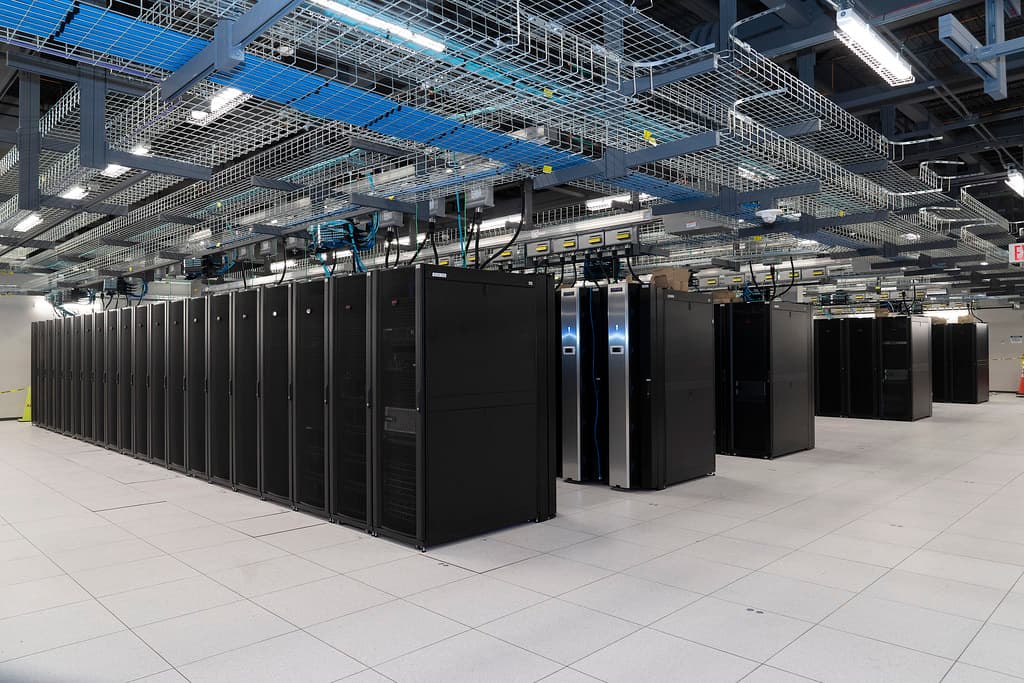
Data center campuses now drive outsized labor requirements. A large campus that once needed roughly 750 construction workers at peak now demands 4,000 to 5,000 people. Meta's Hyperion campus in Louisiana reportedly requires about 5,000 workers. OpenAI's Stargate project in Texas has involved 6,400.
Staffing firms confirm the constraint is binding. Kelly Services found that 90 percent of data center operators identify staffing shortages as a critical limiter on their ability to build and expand infrastructure.
NavigateAI's business model banks on deploying AI as a force multiplier for on-site workers—essentially selling productivity gains to general contractors and project owners who face hard deadlines and labor walls. The pitch: an AI coach that reduces errors, accelerates learning curves, and stretches existing crews further.
The $25 million seed round was led by Elad Gil, who also backed Opendoor. Khosla Ventures, Fifth Wall, Lennar, Tishman Speyer, and Helix Electric participated. Angels included DoorDash co-founder Tony Xu, Instacart co-founder Apoorva Mehta, and Coinbase CEO Brian Armstrong.
The investor composition—real estate operators, construction firms, and venture capitalists with infrastructure exposure—signals conviction that the labor shortage is durable enough to support a software play. Lennar and Tishman Speyer bring direct procurement leverage; Elad Gil brings pattern recognition from Opendoor's playbook of applying technology to traditionally fragmented, analog industries.
The addressable market is large. U.S. construction spends $2.2 trillion annually. But execution risk is steep. Construction trades are famously resistant to software adoption, training adoption rates are low, and the economics must work on a per-worker or per-project basis for customers to internalize the tool. Wu will need to prove that AI guidance actually moves the needle on safety, speed, or retention—and that those gains justify the SaaS weight on a contractor's margin.