TOKYO
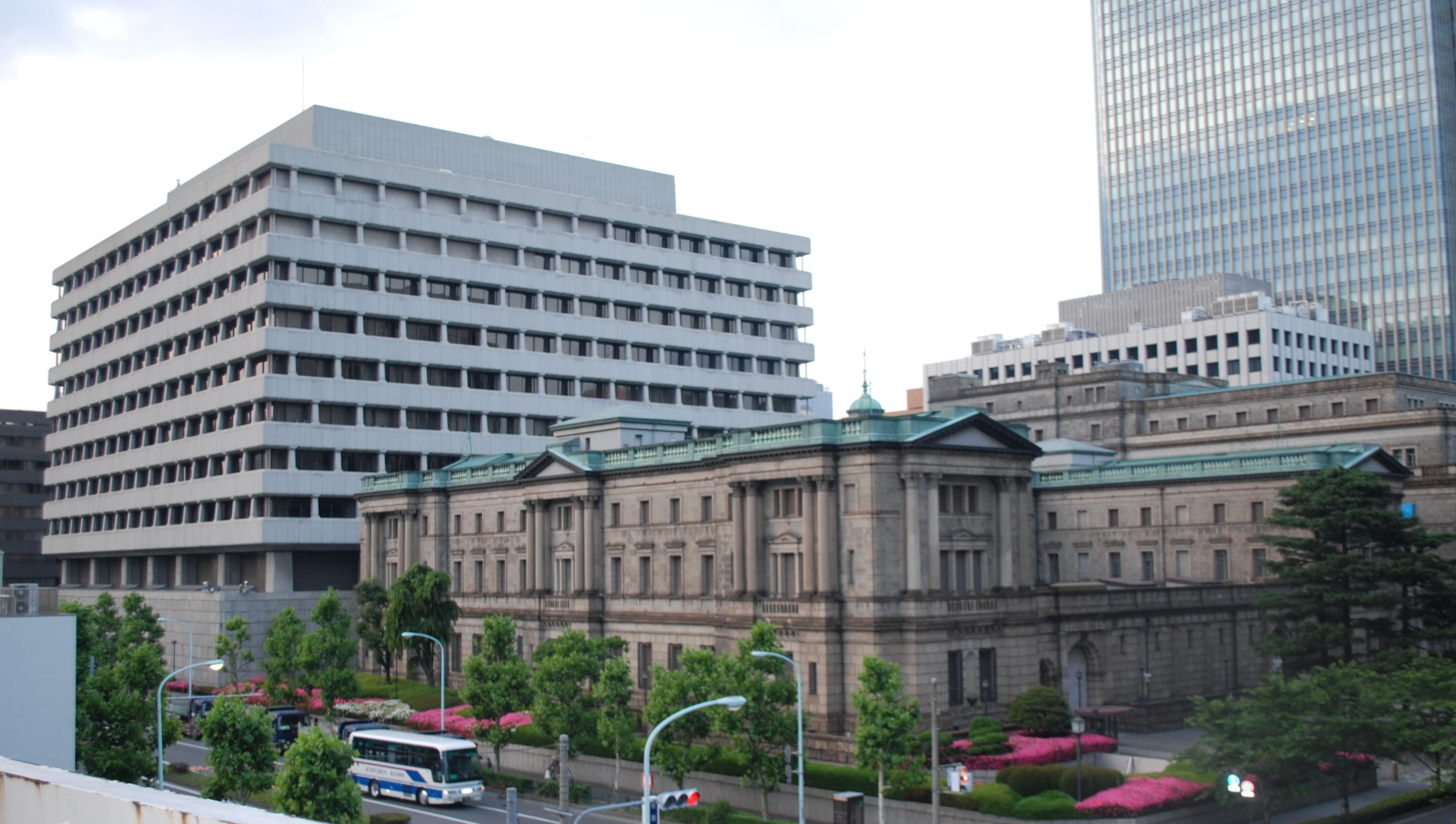
Takuji Aida, economic adviser to Prime Minister Sanae Takaichi and chief Japan economist at Credit Agricole, projects the Bank of Japan will raise its policy rate by 25 basis points to 1.25 percent at the Sept. 17-18 policy meeting. He expects quarterly hikes through January, then increases every six months thereafter.
The shift marks a material reversal for Aida, a known reflationist who typically opposes BOJ rate increases. His previous forecast called for the next hike in January 2027.
Futures markets have nearly fully priced the September move. BOJ Governor Kazuo Ueda said last week the central bank would debate raising rates, including in September, signaling a strong probability of action this month.
Aida identified September as a narrow window before an extraordinary parliamentary session convenes in early October to debate legislation for Takaichi's plan to suspend an 8 percent food levy for two years. Pressure for a hike intensified after U.S. Treasury Secretary Scott Bessent called for "decisive" monetary steps by the BOJ to combat yen weakness.
The forecast reflects a broadening consensus within Takaichi's administration, generally dovish on rates, that further BOJ tightening is necessary to address currency depreciation. Finance Minister Satsuki Katayama reiterated that monetary policy decisions remain the central bank's responsibility.
Japan's 10-year government bond yield has already risen to a three-decade high of 2.93 percent. A sustained hiking cycle would likely steepen the yield curve as longer-duration bonds price in higher inflation and elevated policy rates. Fixed-income portfolios carrying significant Japan duration risk face mark-to-market losses as yields climb, while spread compression between Japanese and other developed market government bonds would continue.
Aida cautioned that an accelerated hiking pace could weigh on Japanese economic growth, highlighting the BOJ's dilemma between arresting yen falls and supporting demand.