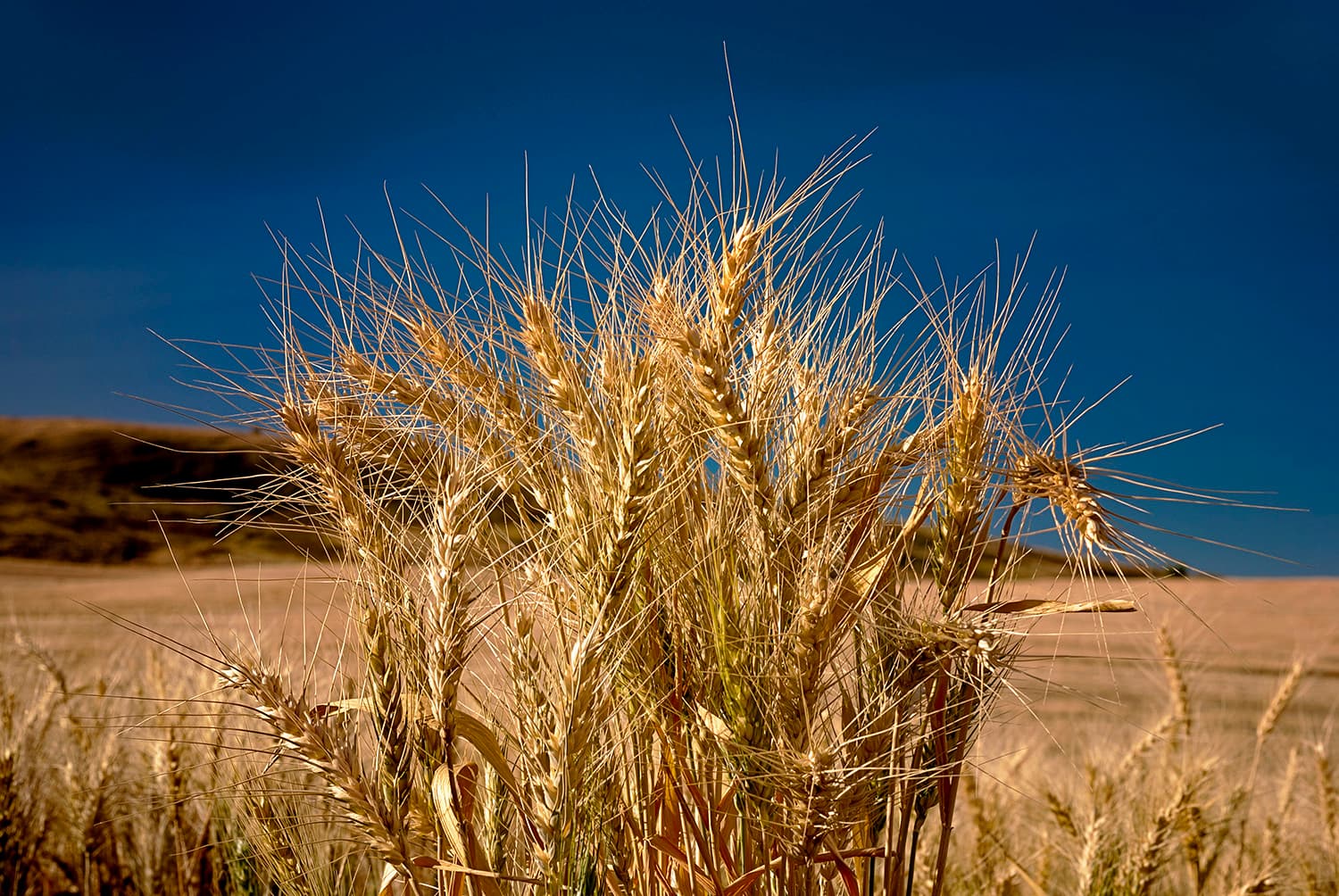
Wheat has re-emerged as a strategic commodity globally, with recent disruptions highlighting its critical role in international food security. The COVID-19 pandemic and Russia's invasion of Ukraine, both major wheat exporters, significantly disrupted global supply and demand, leading to sharp price increases and widespread concern over access to staple foods.
Wheat ranks as the most exported cereal, with 242 million tonnes traded annually, compared to 68 million tonnes for rice, according to Jérémy Denieulle, director of studies for the think tank Agriculture Stratégies. Following these disruptions, the price of wheat climbed to nearly 450 euros per tonne.
The impact was particularly severe for North Africa and sub-Saharan Africa, which rely heavily on imported wheat to meet domestic consumption needs. North Africa and the Middle East record the highest rates of wheat consumption per capita worldwide. Wheat represents 69 percent of cereals intended for human consumption in Morocco and 96 percent in Tunisia.
Countries in North Africa and the Middle East have progressively increased their reliance on imports since World War II. The region's self-sufficiency fell below 40 percent. Denieulle said the region is "by far the most dependent on imported wheat in the world today."
The region accounts for one-third of all global wheat purchases despite representing only 6 percent of the world's population. North Africa and the Middle East consume 110 million tonnes of wheat annually, with 65 million tonnes sourced from imports.
Geographers attribute this dependency to several factors, including strong demographic growth. Egypt's population tripled between 1950 and 2010, leading to a proportional increase in food needs. Cultivable land remains extremely limited in many of these nations—95 percent of Egypt's territory is desert.
To address agricultural land constraints, Egypt has pursued horizontal expansion, converting new desert areas into farmland through extensive irrigation pivots from the Nile River. Algeria has adopted a similar model, drawing water from groundwater aquifers. However, these efforts face significant challenges. Greening the desert is a partial and ultimately unsustainable solution, particularly in a context of climate disruption and increasing water stress.
Bread holds deeply political significance in countries like Algeria and Egypt, where it has been heavily subsidized since the mid-twentieth century. It is considered fundamental to the social contract, with states ensuring access to bread to maintain social peace.
In May 2023, the Egyptian government quadrupled the price of subsidized baladi bread, a price that had remained unchanged since 1989. The decision came under pressure from inflation, which was exacerbated by Russia's invasion of Ukraine. Denieulle said the decision had a "cataclysmic effect on Egyptians."
Disruptions like the 2021 grounding of the Ever Given ship in the Suez Canal and the 2022 interruption of wheat shipments from Black Sea ports during the Ukraine war have exposed fragilities in global supply chains. Wheat is one of the world's three primary cereal crops, providing approximately 20-22 percent of human caloric needs. Global wheat production reached 785 million metric tons in the 2023/24 marketing year, with China, India, Russia and the European Union leading output.