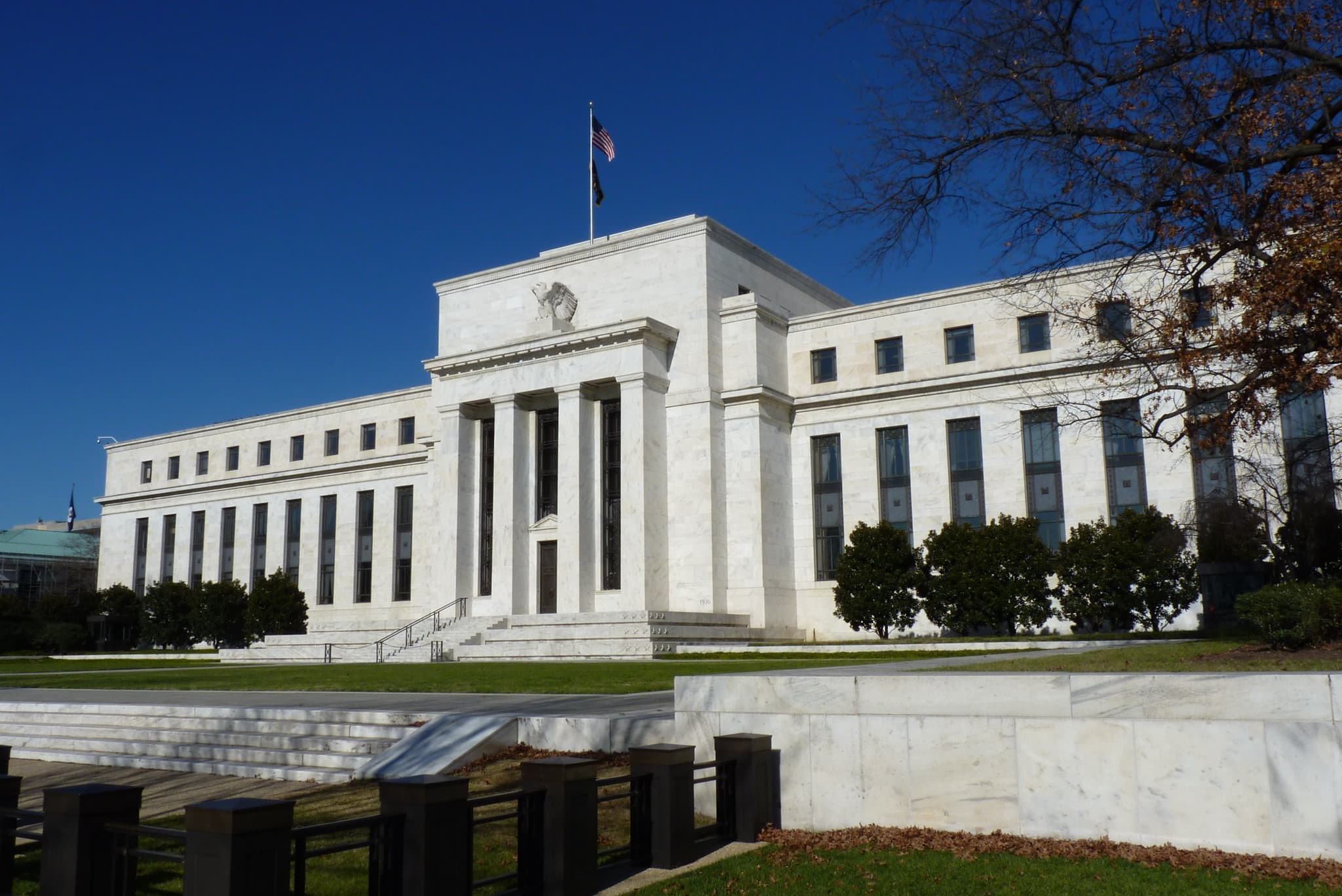
WASHINGTON
Bond yields remain elevated, keeping upward pressure on rates and shifting market focus toward U.S. deficits as the primary driver of long-term interest rates—a departure from the inflation-centered narrative that dominated 2022 and 2023.
The 10-year Treasury yield has held above 4 percent for extended periods, pricing in persistent fiscal headwinds even as core inflation shows signs of easing. Economists and market participants increasingly debate whether the Fed's 2 percent inflation target remains achievable or whether deficit dynamics have altered the rate environment.
Federal Reserve Chair Kevin Warsh will address the Jackson Hole Economic Policy Symposium for the first time in his tenure, where the relationship between bond markets and Fed policy is likely to dominate discussion. Market participants will scrutinize his remarks on the central bank's balance sheet strategy and whether the Fed intends to accelerate or slow the pace of its quantitative tightening.
Economist Ken Rogoff has warned that the dollar's status as the world's reserve currency faces erosion due to rising U.S. debt levels and geopolitical fragmentation. Higher yields abroad and shifting capital flows could further pressure Treasury demand, creating a feedback loop that forces domestic rates higher.
Harvard professor and former Obama economic adviser Jason Furman noted that sustained bond yields are constraining business borrowing costs on Main Street, adding a real economy dimension to what has largely been a financial markets debate.
The Fed's balance sheet task force is expected to report its findings in the coming months. Those recommendations could shape Warsh's approach to quantitative tightening and signal whether the central bank will adjust its current unwinding pace in response to market dislocations or fiscal pressures.