Taiwan President Lai Ching-te affirmed a policy of "peace through strength" today, commemorating the 68th anniversary of the 1958 Kinmen artillery battle. The president's remarks underscore the island's firm resolve against persistent military pressure from Beijing.
From a fixed-income perspective, the statement tightens the geopolitical risk premium embedded in global yield curves. Sustained cross-strait tension typically triggers two conflicting pressures on bond markets: immediate safe-haven demand for U.S. Treasuries, which compresses long-end yields, and the specter of supply shocks that could reignite inflation.
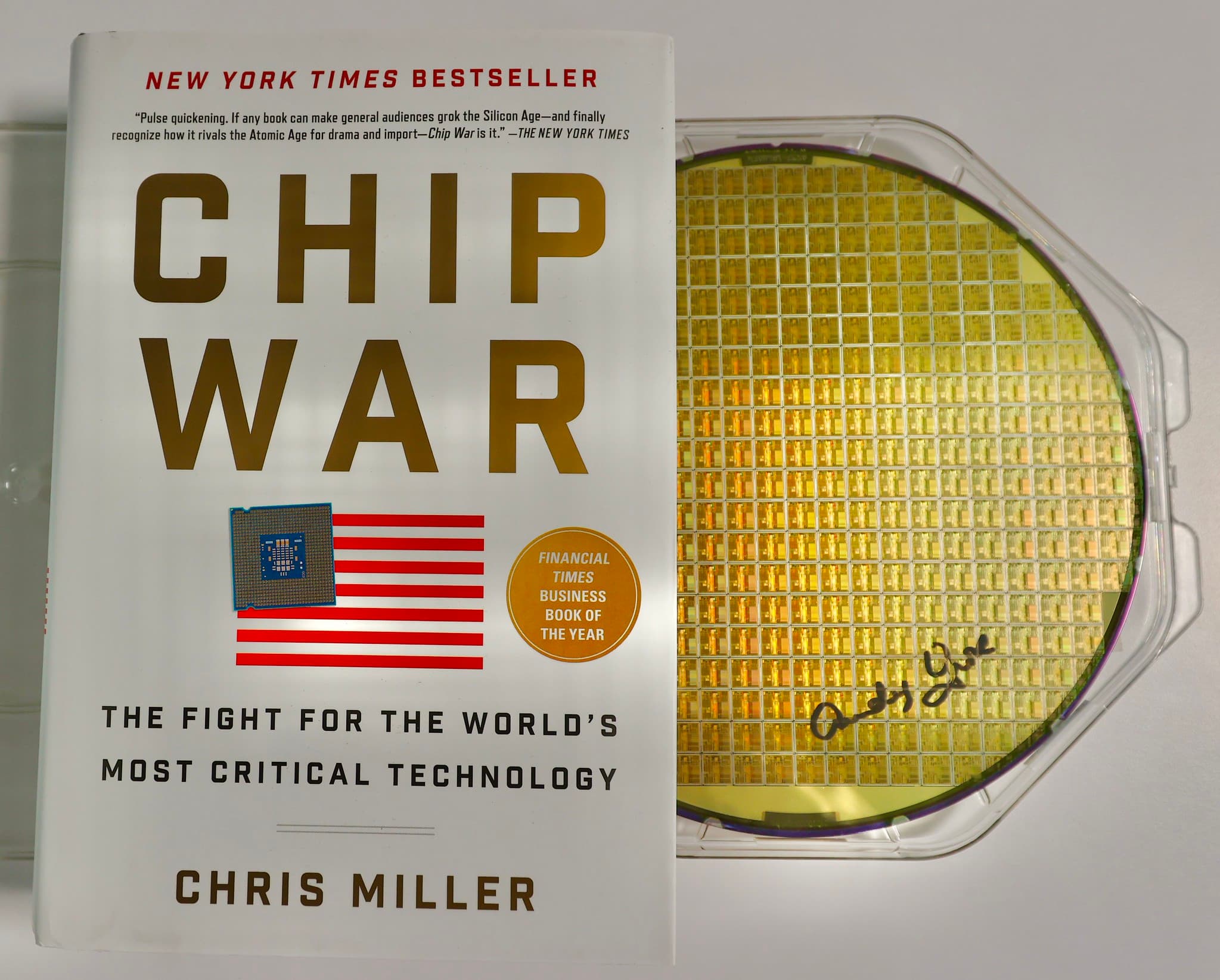
Taiwan's dominance in advanced semiconductor manufacturing makes that second scenario material. A significant escalation would disrupt global chip supplies to automotive, defense and artificial intelligence sectors. Supply constraints of that magnitude would likely force central banks to extend higher-rate regimes, extending duration risk for bondholders just as consensus has begun pricing rate cuts.
The S&P 500 rose 0.4 percent to $7,674 and the Nasdaq climbed 0.4 percent to $26,180, but equity gains mask the structural risk to fixed-income positioning. Credit spreads would likely widen on corporations dependent on Taiwan inputs, while Treasury curves would steepen if inflation concerns outweigh flight-to-safety flows.
The U.S. and Taiwan are expected to hold further discussions on economic cooperation and security later this year. Markets will monitor China's official responses and any shifts in military exercises in the region.


