OTTAWA
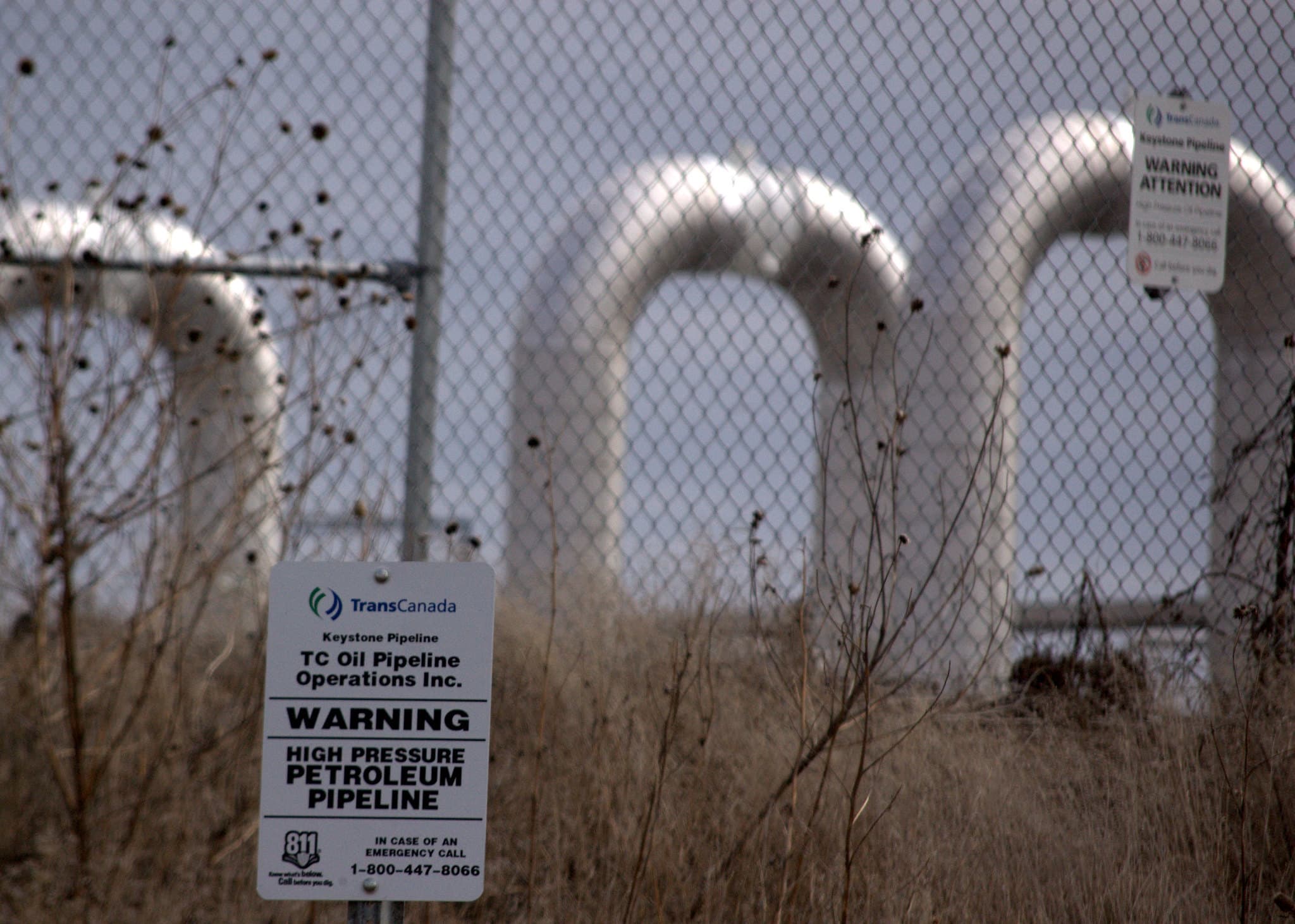
Canada announced it will fast-track a new oil pipeline project designed to expand energy export capacity beyond the U.S. market and access higher-priced international buyers, primarily in Asia.
Over 90 percent of Canadian oil exports currently flow to the United States at a discount due to limited egress capacity. The pipeline would provide direct Pacific coast access, allowing producers to capture prices closer to global benchmarks and reduce the long-standing price differential that has constrained export revenues.
The accelerated timeline triggers immediate implications for Canadian fixed-income markets. Large-scale infrastructure financing of this magnitude typically requires substantial bond issuance with tenors extending beyond ten years. Earlier capital market activity would increase supply in the Canadian corporate bond market, potentially widening spreads and extending the yield curve. Investors should monitor Canadian sovereign spreads relative to U.S. Treasuries as the project moves through financing stages.
The diversification effort reduces Canada's dependence on a single trading partner and strengthens the fiscal outlook through higher export revenues. The government anticipates measurable GDP growth once the pipeline becomes operational.