TEHRAN — Iran's Supreme National Security Council Secretary Mohsen Rezaei warned Saturday that neighboring countries would be considered enemies if they participate in U.S. efforts to undermine Iran's economy. Rezaei issued the warning in an interview with state broadcaster IRIB.
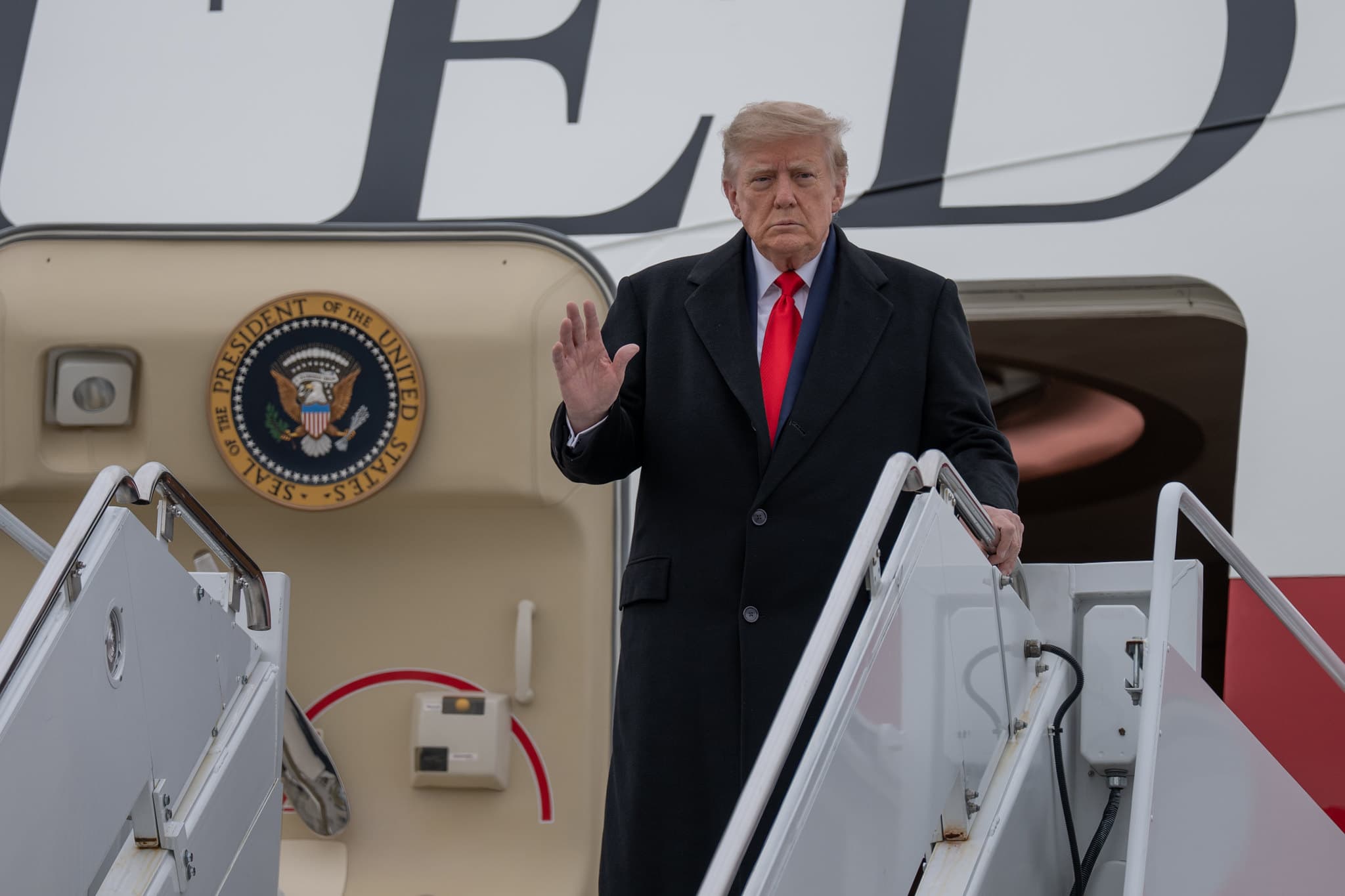
"We're telling all nearby countries not to join the US economic war. Otherwise, we will consider them as enemies," Rezaei told IRIB. His remarks directly addressed President Donald Trump's announcement Wednesday that his administration would launch the "most crushing economic operation" yet against Iran.
Trump also pledged "tremendous economic consequences" for any nation that provides Iran with "any type of lifeline." Treasury Secretary Scott Bessent echoed this stance Thursday, stating, "You're either with us or against us."
Rezaei outlined a three-stage regional strategy during his Saturday interview. The first stage involves efforts to de-escalate tensions with neighboring countries through negotiation.
"First we negotiate. Then, we try to separate them from America with pleasant language, because we are not really looking to expand the war," he said. Countries continuing to align with the U.S. would be given time to reconsider their positions.
Rezaei warned of firm action in the final stage. "But in the third stage, we will definitely act," he stated, indicating escalation if diplomatic efforts fail and countries maintain support for U.S. economic pressure.
Rezaei suggested the Trump administration is relying on economic pressure to destabilize Iranian society, hoping economic strain will fracture national unity and incite protests.
"They hope that, if possible, they can break our unity with economic pressure and a group of protesters will take to the streets, and in a way, they will come to the aid of American F-35s," Rezaei said, referring to military aircraft.
Negotiations aimed at ending the conflict have stalled in recent months. A memorandum of understanding signed June 17, which called for an "immediate and permanent termination of military operations," failed to achieve its objectives.
Control over the Strait of Hormuz, a vital shipping lane off Iran's coast, remains a significant point of contention. Early in the conflict, Iran halted traffic through the strait, causing global prices for oil and fertilizer to rise sharply.
As a result, several Middle Eastern countries previously dependent on the strait have developed substitute trade routes for exports. Rezaei warned that Iran would target these alternative oil-shipping routes out of the Gulf if regional states cooperated with U.S. economic warfare plans.
Iran's Ministry of Foreign Affairs also decried the new U.S. measures Saturday, characterizing them as an assertion of "extraterritorial sovereignty."