WASHINGTON
The White House announced new 10 percent duties on imported automotive components from Canada, effective immediately, after trade negotiations collapsed over unresolved disputes on intellectual property protections.
Commerce Secretary Wilbur Ross said the United States "must protect its industries from unfair practices and ensure fair competition for American workers." The measure targets engines, electronic systems, and other parts critical to North American vehicle production.
For Detroit's Big Three and Tier 1 suppliers, the hit is direct. U.S. automakers with integrated North American supply chains will face compressed gross margins of 50 to 100 basis points in Q3. Companies like Ford and General Motors, which source heavily from Canada, should expect upward pressure on input costs with limited near-term pricing power—automotive buyers are price-sensitive and OEMs absorb tariff costs before passing them downstream.
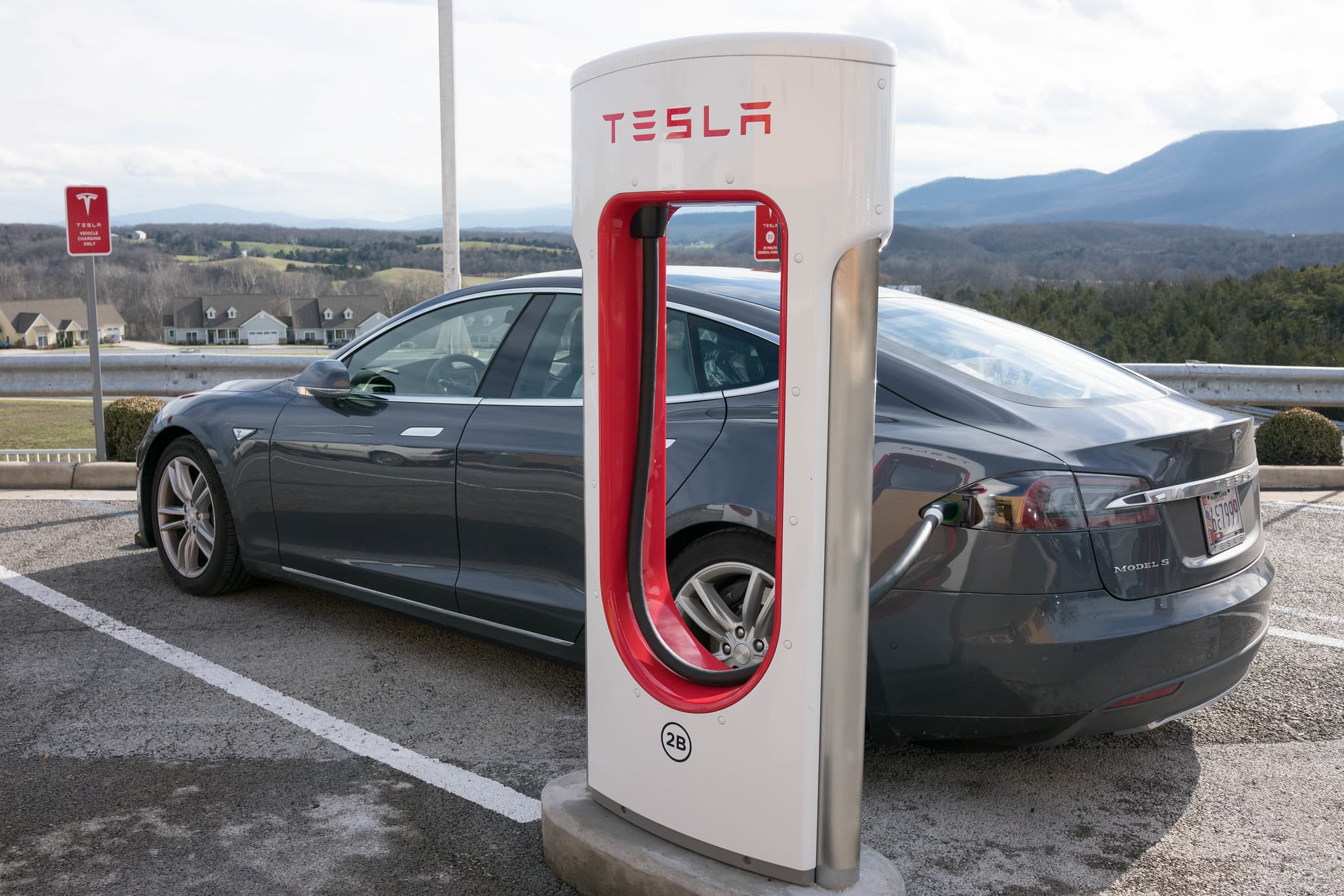
Tesla, up 5.1 percent to $362.86 today, stands as the relative outperformer. The company's vertical integration and U.S.-based production for battery packs and drivetrains insulate it from the Canadian component exposure that burdens traditional automakers. In a tariff-driven margin compression scenario, Tesla's structural cost advantage widens the gap versus legacy OEMs.
The U.S. Trade Representative will release a detailed tariff list and implementation schedule next Tuesday. Investors should use upcoming earnings calls from Ford, General Motors, and Stellantis to model specific tariff exposure and revised full-year guidance. Any commentary on cost mitigation or price increases will signal management's confidence in margin defense—a critical data point for sector valuations heading into 2025.


