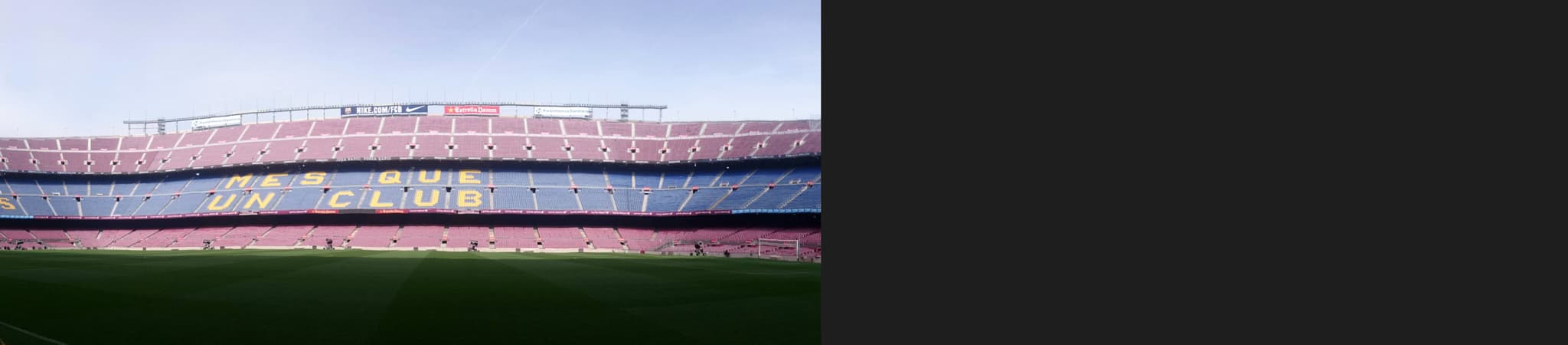
Pau Cubarsí sits at the top of the 2026 Golden Boy rankings, and the path to that spot runs directly through the World Cup. The 19-year-old Barcelona defender was named Best Young Player of the tournament with Spain, and that recognition pushed him to the front of the field in Tuttosport's running standings.
Lamine Yamal holds second place in the current rankings but cannot win the award again. Yamal took the 2024 Golden Boy, and the award's regulations bar a repeat winner, which removes Barcelona's other teenage star from contention despite his ranking position. That rule effectively clears the biggest obstacle between Cubarsí and the trophy.
Real Madrid's Yan Diomande occupies third place. The 19-year-old has been building his reputation in European competition and represents the clearest threat from outside Barcelona's roster.
The expert consensus and the fan vote are not aligned. In Tuttosport's popular vote, Cubarsí sits in second place with 41.2 percent support. Leading that fan poll is 18-year-old Kerim Alajbegovic, a new Juventus signing, who holds 48.3 percent of the popular vote. The Bosnian teenager has generated real support among supporters, but the Golden Boy is ultimately decided by a jury of journalists across Europe, not by public ballot.
That gap between fan enthusiasm and expert judgment is one of the genuinely interesting tensions in this year's race. Alajbegovic has the crowd behind him. Cubarsí has the résumé—a World Cup award and a starting role at one of the world's biggest clubs at 19. Those are the credentials that tend to carry weight when the votes that count are cast.
If Cubarsí wins, he becomes the fifth Barcelona player to lift the Golden Boy. The sequence reads: Lionel Messi in 2005, Pedri in 2021, Gavi in 2022 and Yamal in 2024. No other club comes close to that concentration of winners, and a Cubarsí victory would reinforce what that track record already makes plain—La Masia produces elite young talent at a rate no academy in the world has matched over the past two decades.
The award covers the best player under 21 competing in European football. Tuttosport, the Italian sports daily that created the Golden Boy in 2003, runs the process and publishes standings throughout the year as jury members submit their assessments. Final votes are expected later in 2026, meaning the standings are provisional and the race remains open.
Cubarsí's World Cup performance was the defining event of this cycle. Being named the tournament's Best Young Player in front of a global audience carries a weight that club form alone rarely generates. Spain's run gave him the stage; his play on it gave him the credibility. That combination at 19 is difficult to argue against.
Alajbegovic is worth watching. A move to Juventus at 18 gives him consistent Champions League exposure for the remainder of the eligibility window, and his fan vote numbers show he has a genuine following that could grow. But popular votes inform the conversation around the Golden Boy—they do not determine the outcome. The jury does.
For Barcelona, the bigger picture is straightforward. Messi won this award 21 years ago as a teenager coming through the same system. Pedri, Gavi and Yamal followed in succession. If Cubarsí adds his name to that list, La Masia will have produced five Golden Boy winners—a record that stands alone in European football.


