Sony Group Corporation derives more than 60 percent of its total revenue from entertainment—gaming, music and film—a figure CEO Hiroki Totoki confirmed in a rare English-language interview at Sony's Tokyo headquarters. The shift marks how far the company has traveled from its origins as a consumer electronics manufacturer, and Totoki made clear it was not a strategic choice so much as a competitive necessity.
"It's difficult to differentiate the products in the area of consumer electronics," Totoki said. "And that environment invited new entrants into the industry, first from Korea followed by China." He described China's domestic market as the engine that gives Chinese manufacturers the volume and pricing power Sony cannot match. "The consumer electronics market needs massive scale, and the competition comes down to volume and price. Unfortunately it's very hard to maintain that volume in Sony."
Totoki used a pointed phrase to describe the company's response: Sony was "forced to change." That framing carries weight coming from the head of a company founded in 1946 as a radio repair shop in postwar Tokyo. By the 1950s Sony was producing tape recorders and transistor radios. The Walkman launched in 1979 and redefined how consumers listened to music. The PlayStation arrived in 1994 and became one of the best-selling hardware platforms in gaming history. For most of its existence, Sony's identity was inseparable from the physical products it made.
The retreat from hardware is now formalized. Sony recently spun off its Bravia television business and launched a joint venture with Chinese manufacturer TCL to operate it. The move puts one of Sony's most recognizable product lines into a structure where TCL's scale can sustain margins Sony could not protect on its own.
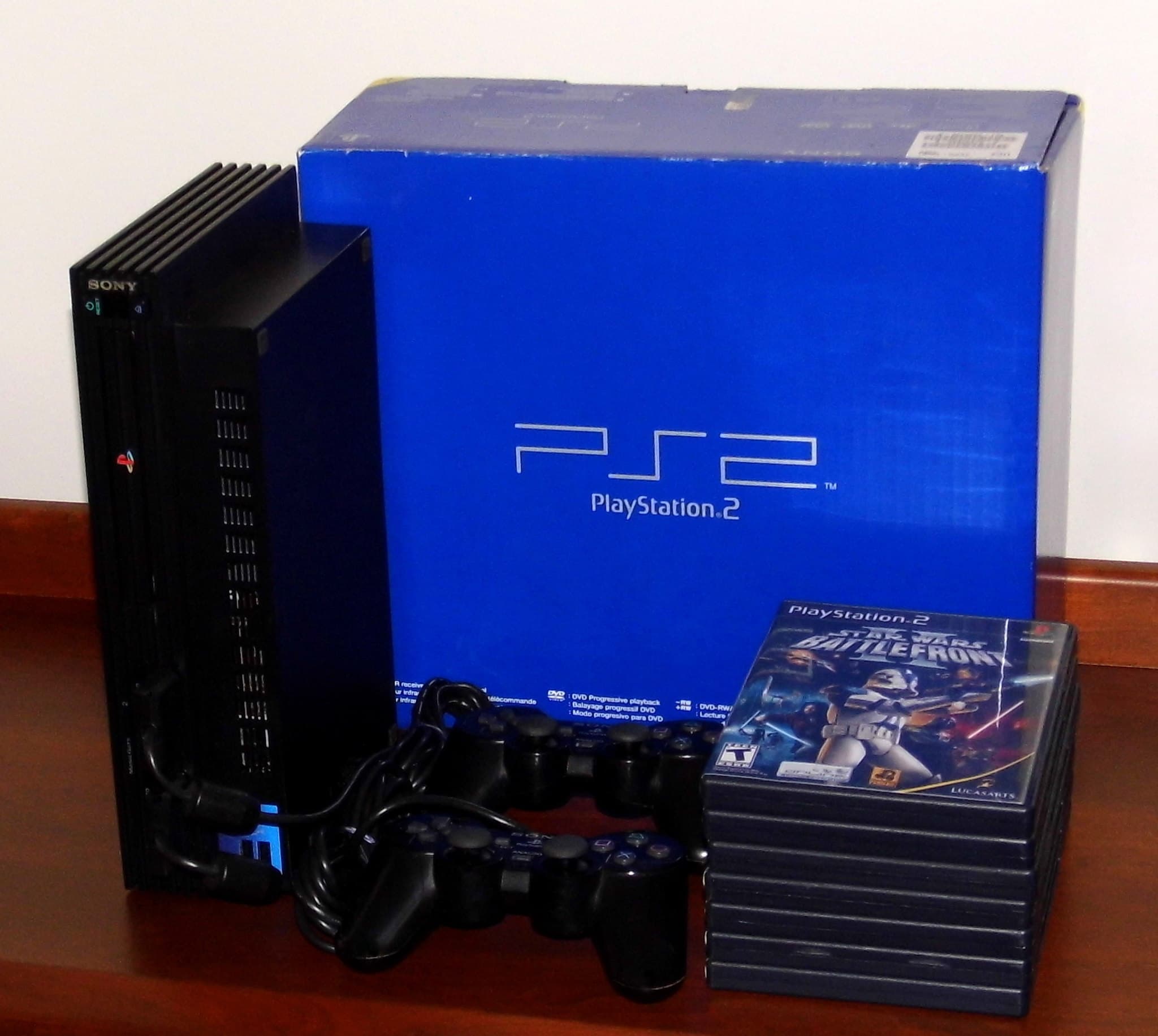
PlayStation is the largest single contributor within that 60-plus percent entertainment block, and Totoki was direct about its strategic priority. "We are always talking about PlayStation should be the best place to play from the user's perspective," he said. "But also we must be the best place to publish. We have relationships with third-party game publishers. And of course we have great studios as a first-party as well." Sony's first-party studio network—built through acquisitions including Bungie, Insomniac Games and Naughty Dog—is the content moat Totoki is betting on to hold that position.
The competitive picture in gaming has shifted over the past year. Microsoft's Xbox hardware business has effectively stepped back as a console rival, but Totoki's ambitions face sustained pressure from Nintendo, whose Switch platform continues to generate strong software attach rates, and from Valve's PC gaming ecosystem, which operates without hardware upgrade cycles and captures a large share of third-party software revenue.
Anime represents a second growth axis inside the entertainment segment. Totoki said platforms including Netflix and Sony's own Crunchyroll have expanded the global audience for anime to the point where he now considers it mainstream rather than niche. Crunchyroll, which Sony acquired through its Funimation consolidation, is the largest anime streaming service by subscriber count and gives Sony a direct-to-consumer distribution layer that operates independently of theatrical or broadcast windows.
Totoki acknowledged a personal irony: despite running a company where gaming generates the largest share of revenue, he does not play video games himself. He said he prefers music and television dramas. He named British rock band Oasis as a specific favorite and attended their performance at the Tokyo Dome last year—a detail that underscores Sony Music's reach as a live-entertainment and recorded-music business operating alongside the gaming and film divisions.
Sony shares trade on the Tokyo Stock Exchange under the ticker 6758; the U.S.-listed ADR trades as SONY on the New York Stock Exchange. With gaming, music and film now accounting for the majority of sales, Sony's valuation more closely tracks entertainment sector multiples than the thin-margin consumer electronics comparables it used to be measured against.
The image sensor division remains a meaningful hardware carve-out. Sony supplies sensors to smartphone manufacturers including Apple, making it a component supplier inside the broader consumer electronics chain even as it exits the device business at the consumer level. That business-to-business sensor operation gives Sony hardware exposure without the retail volume risk Totoki described.
Sony is now an entertainment conglomerate that retains a legacy hardware footprint, not the other way around. The Bravia joint venture with TCL and the continued investment in anime, gaming studios and music assets all point in the same direction. Totoki's own words—"forced to change"—set the tone. The company that made the Walkman is now built around the PlayStation and Crunchyroll, and its CEO says that transition is not reversible.


