TEHRAN — Iranian Foreign Minister Abbas Araghchi said Sunday that negotiations with Oman on establishing a new maritime route in the Strait of Hormuz are in their final stages, but drew a hard line between that agreement and any full reopening of the waterway. "Talks with Oman do not mean the Strait of Hormuz will be reopened," Araghchi said, according to Iranian state media. "An agreement may be reached, but reopening the strait depends on other conditions conveyed through intermediaries."
The conditions were made public Saturday by Mohammad-Bagher Zolghadr, secretary of Iran's Supreme National Security Council. Zolghadr outlined six demands Tehran is presenting to Washington before any restoration of normal shipping through the strait. The United States had not publicly responded to those demands by time of publication.
Araghchi also pushed back against any characterization that formal peace talks with Washington are underway. "We are not currently engaged in negotiations with the U.S. but messages are being exchanged through intermediaries," he said. Tehran's state media issued a separate denial on Aug. 9 that direct negotiations were in progress.
The foreign minister tied any resumption of talks to U.S. compliance with an earlier diplomatic document. "Negotiations cannot resume until the U.S. ends its violation of the Islamabad MoU and takes steps to make up for the violations it has committed," Araghchi said. The Islamabad MoU is a memorandum of understanding reached in June that had been cited by Iranian officials as the basis for prior diplomatic contact.
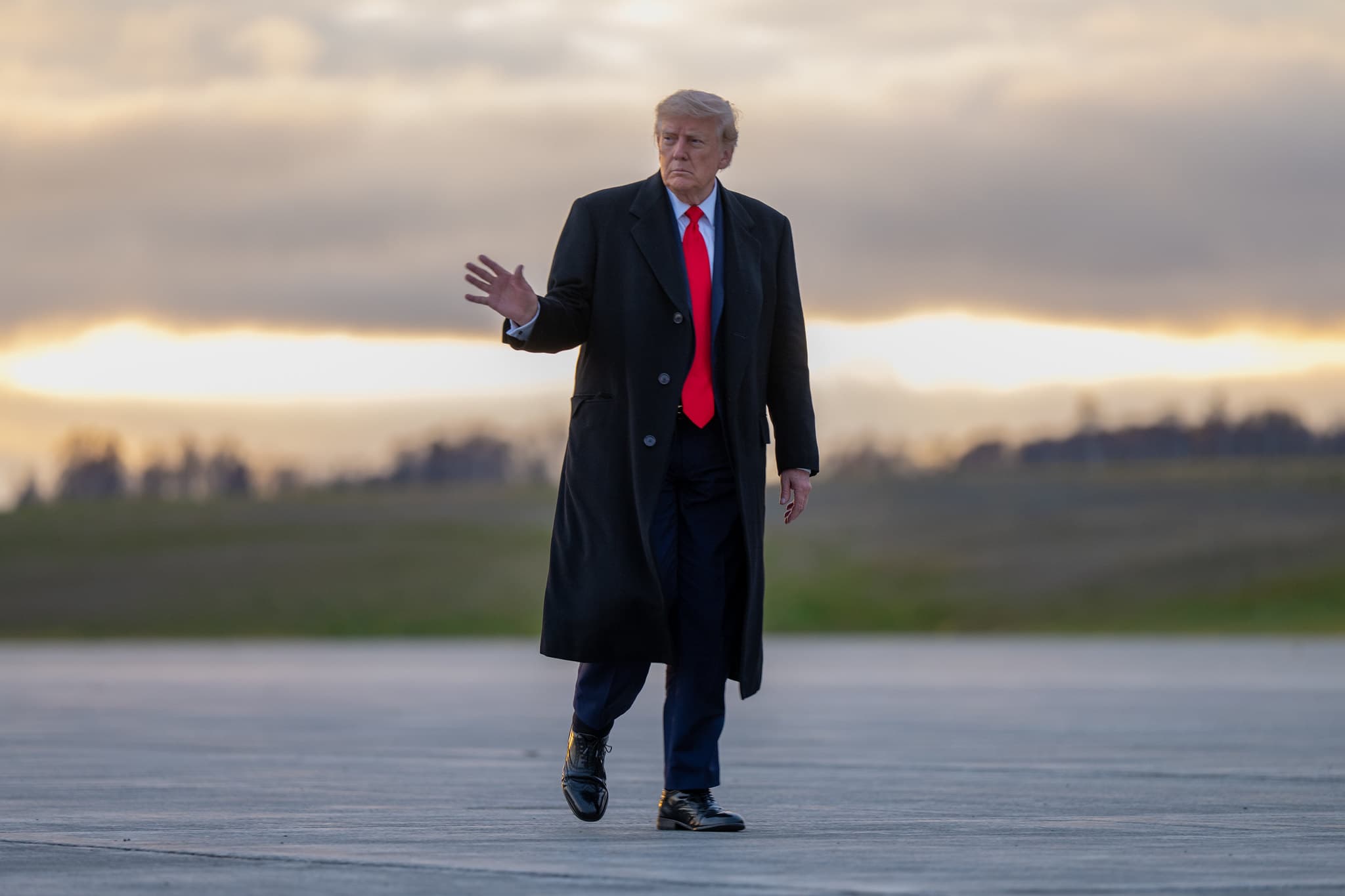
President Trump described the situation differently. Speaking to reporters in the Oval Office on Aug. 3, Trump said talks to end the war were "going on right now." He issued a direct warning to Tehran: "This is a last chance for them to sign a good document."
The gap between the two governments' public accounts is stark. Iran says it is exchanging messages through intermediaries. Trump says talks are active. Oman, which has historically served as a back-channel between Washington and Tehran, is the intermediary facilitating the maritime route discussions. Oman's foreign ministry has expressed support for the process while warning against further attacks on shipping that could complicate it.
The strait has been a site of Iranian targeting of commercial vessels since the conflict began in late February. Those military operations have cut deeply into the global flow of oil and gas that normally transits the waterway, one of the world's most strategically important chokepoints, through which roughly a fifth of global oil supply passes.
The disruption has pushed fuel costs higher across multiple continents. In the United States, the average price for a regular gallon of gasoline rose by roughly $1 from pre-conflict levels. As of Aug. 9, the American Automobile Association put the national average at $4.01 per gallon, up from $2.98 before the conflict started.
Trump has promised that gas prices will drop significantly once the war ends. The U.S. Energy Information Administration has projected that prices will not return to pre-war levels in either 2026 or 2027, even under a resolution scenario.
The Oman channel is the more immediate diplomatic track. Araghchi described the negotiations as being very close to a framework agreement. An Oman foreign ministry statement described the talks positively while cautioning that shipping attacks remained a threat to any arrangement. The framework under discussion would designate a specific maritime route through the strait for commercial traffic, short of a full reopening to pre-war conditions.
Araghchi said explicitly that the waterway will "never return to its pre-war status," a position that signals Tehran intends to use ongoing control over passage as leverage regardless of any partial deal with Muscat. That stance leaves the six U.S. demands as the central obstacle to any durable resolution. The specific content of all six demands has not been made public beyond what Zolghadr disclosed Saturday.
The White House did not respond to a request for comment before publication.