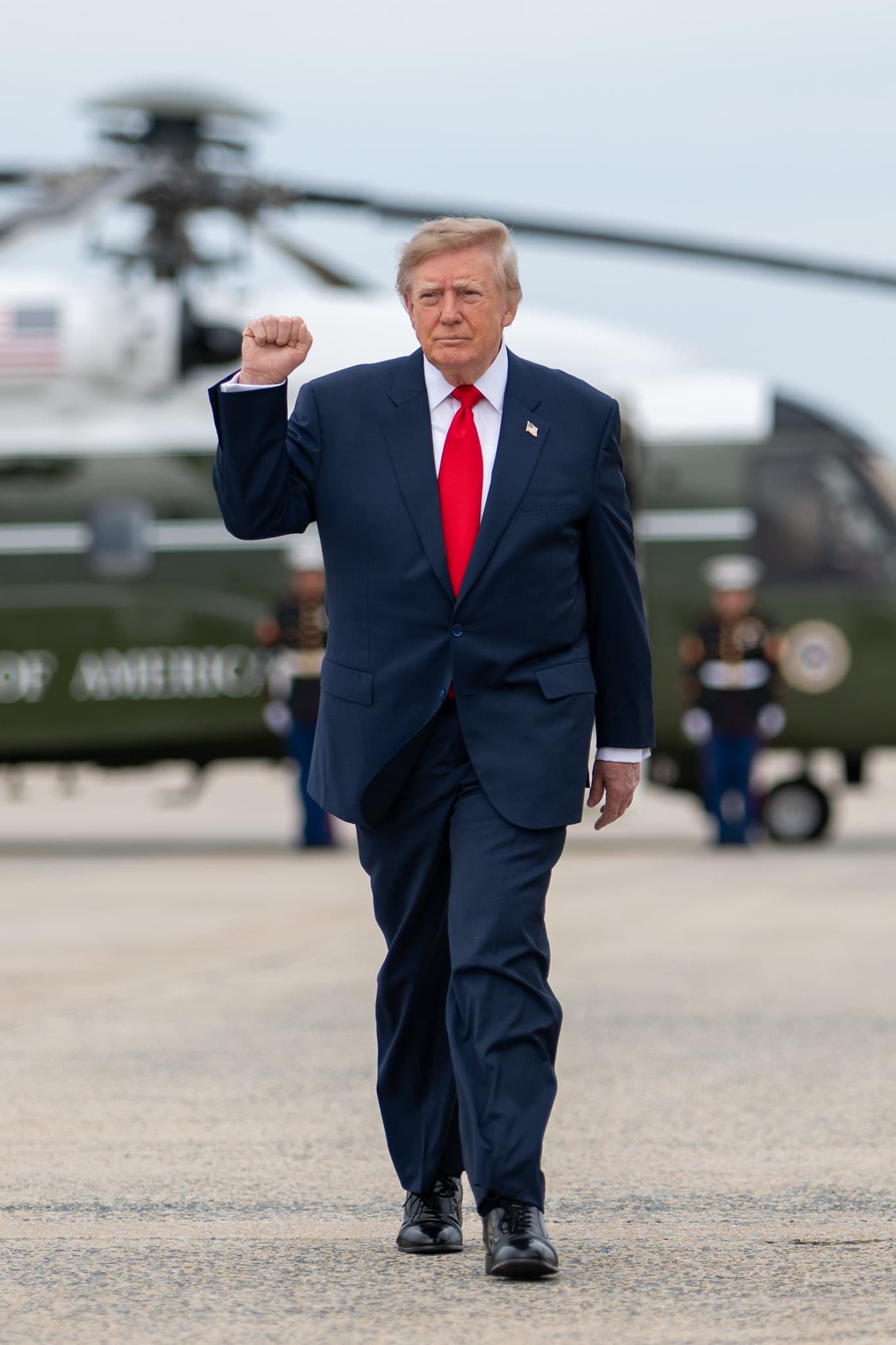
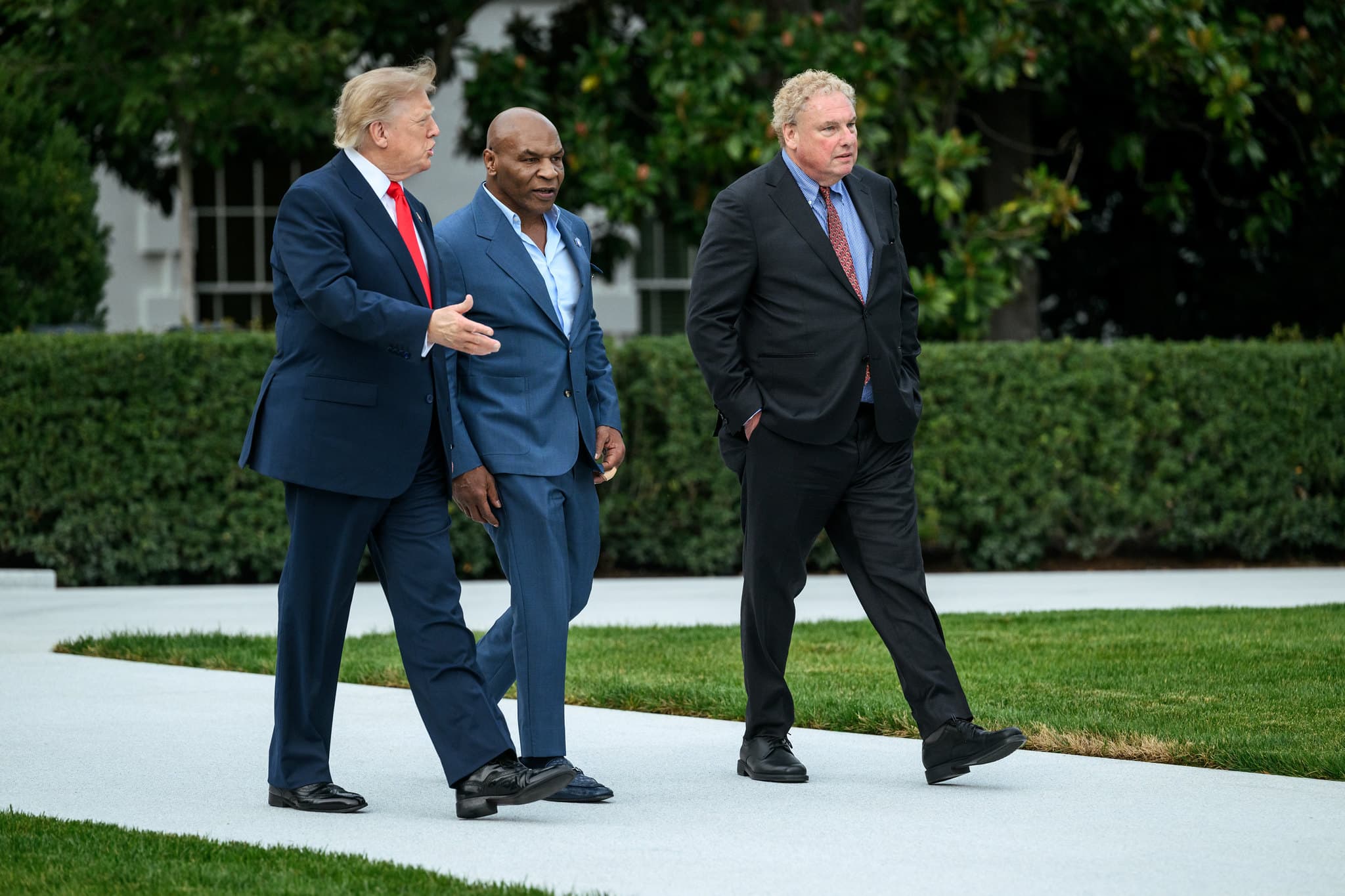
UNIONDALE, N.Y. — President Trump stood before police officers at the Nassau County Police Training Center on Long Island Friday, using new FBI crime statistics showing a nationwide drop in violent crime for 2025 as the backdrop for a direct push into New York's governor's race and two competitive House seats.
The White House released the FBI data alongside Trump's visit, framing it as validation of administration policy. "President Trump promised to make America safe again and the data proves he has done just that," White House spokesperson Lauren Bis said. The statement drew a contrast with what Bis called "Defund-the-Police Democrats," language the administration has used consistently heading into the November midterms.
Attorney General Todd Blanche and FBI Director Kash Patel joined Trump at the Nassau County facility, which the White House described as home to one of the largest police forces in the nation. The joint appearance gave the event the visual weight of a federal law enforcement showcase.
The political target is clear. Nassau County, which Trump narrowly flipped for Republicans in 2024 for the first time in more than two decades, is home to two Democratic-held House seats that Republicans now see as competitive this fall. It is also the base of Nassau County Executive Bruce Blakeman, the Trump-backed Republican running against Democratic Gov. Kathy Hochul.
Blakeman welcomed the visit in a statement, calling it an opportunity to "tour our outstanding, state-of-the-art law enforcement facilities" and pay tribute to officers. In a Fox Business interview Thursday, he played down concerns that Trump's presence would alienate voters in New York City. "When the most powerful person in the world comes to visit you and shows that you have a relationship together, I think that's a very good thing," Blakeman said, adding that voters who disagree with Trump might still value a governor with a direct line to the president.
Friday's appearance is Trump's second New York trip this year in support of Blakeman and other Republican candidates. He visited the Hudson Valley area in May and told an audience there that Blakeman would rein in what he described as "out of control" crime in the state.
Crime has become a central tension in the governor's race. Hochul has not ceded the issue. In July she visited a separate Long Island police department to announce a statewide investment in policing technology, staking out her own law-and-order message before Trump arrived on her turf. Her campaign spokesperson Ryan Radulovacki said the governor "has invested billions in public safety to protect New Yorkers," framing Blakeman as tied to national MAGA politics rather than state priorities.
Signage at the Nassau County event carried the slogan "Making America Safe Again," displayed on posters and large screens throughout the venue—a direct echo of the administration's broader midterm message.
The visit carries real political risk alongside the opportunity. Trump enters New York with lagging approval ratings, and questions about his national standing have dampened enthusiasm in some corners of the Republican coalition. How much any of that transfers to New York legislative races remains an open question, but both parties are treating Nassau County as genuinely contested ground.
For Blakeman, a visible relationship with a sitting president who controls federal law enforcement resources and crime data is a campaign asset, whatever Trump's national numbers show. For Hochul, the Republican approach hands her a ready contrast—cast Blakeman as a Trump surrogate rather than an independent voice for New York, and make the governor's race a referendum on national politics rather than state policy.
The FBI violent crime figures for 2025 were not released ahead of Trump's remarks, so the specific magnitude of the reported decline was not publicly available before the speech. The administration's decision to time the data release to a campaign event in a swing county—rather than a standard Justice Department briefing—drew the frame around the numbers before anyone could examine them independently.