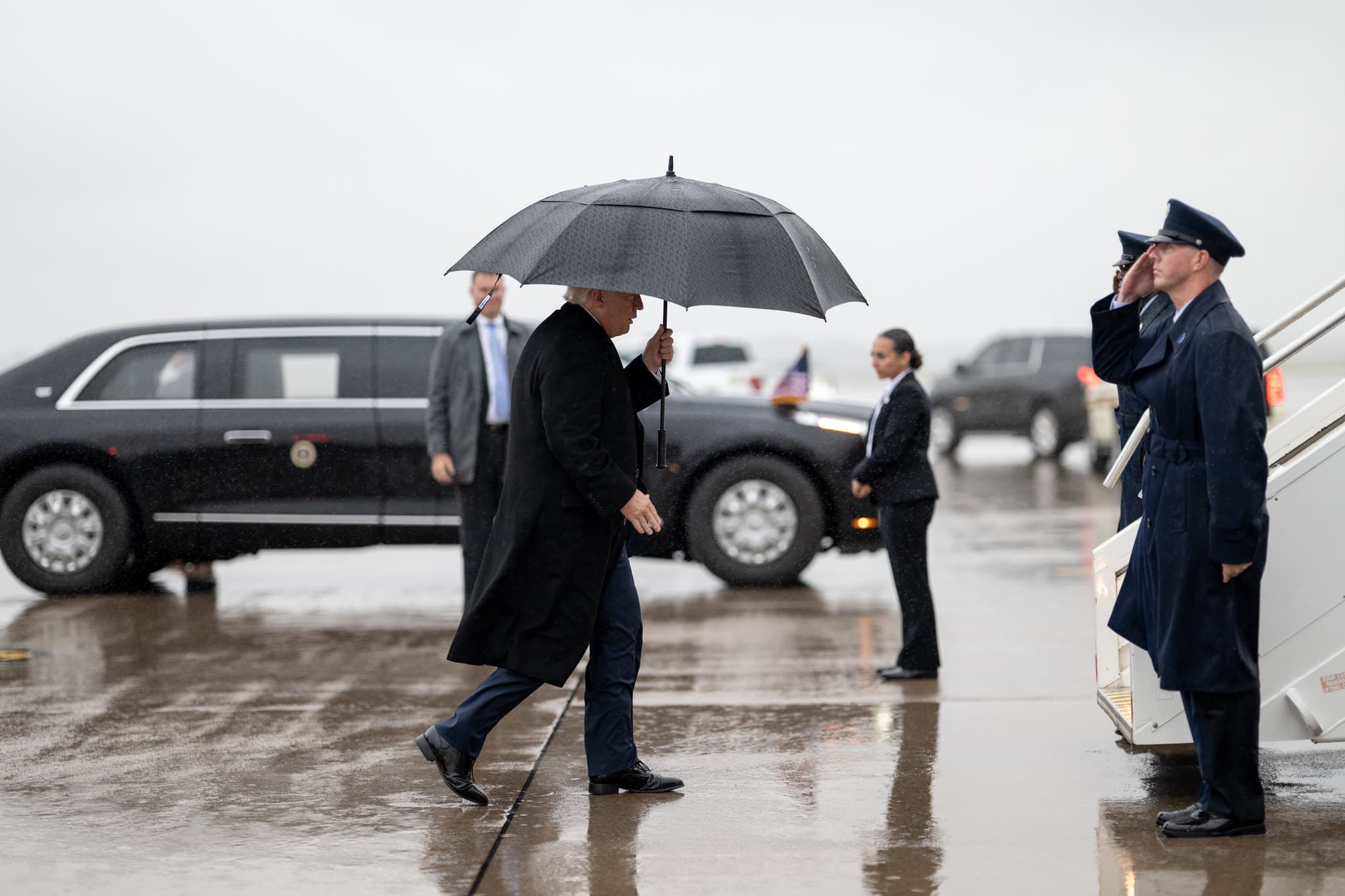
Defense Secretary Pete Hegseth pushed back Thursday against reports describing deteriorating conditions aboard the USS Abraham Lincoln, calling the coverage a misrepresentation of the 5,000-sailor carrier's deployment. "We make sure every ship, every crew, every captain has everything we can provide them at every single moment. Some deployments are longer than others, and I have more respect and gratitude for those sailors than anybody. What they do in those high seas in those austere conditions with less port calls—it's incredible," Hegseth said during a stop in Panama on Aug. 13.
The Lincoln left San Diego on Nov. 21, 2025, and has remained at sea in the Middle East since then—a stretch that lawmakers and family members describe as a record-setting deployment with serious consequences for crew welfare.
Concerns sharpened this week after Navy Times and Stars and Stripes published accounts drawing on family members who described declining morale. Lawmakers added specifics: alleged supply shortages, plumbing failures, water contamination, moldy shower facilities, broken toilets and disrupted mail delivery. Neither the Navy nor the Pentagon disputed those individual claims in detail; instead, officials characterized the overall reporting as distorted.
U.S. Central Command took a pointed public stance on Aug. 13, posting on social media that "the rampant misreporting on Abraham Lincoln's historic deployment is a disservice to our men and women in uniform and their loved ones." CENTCOM also denied that there had been a spike in suicidal thoughts among sailors, directly addressing one of the most serious allegations to surface in recent days. When pressed for further information, CENTCOM told reporters it had nothing to add.
The most visible incident came on Aug. 3, when a sailor went overboard. CENTCOM confirmed on Aug. 13 that the sailor was recovered quickly and safely. Three U.S. officials said the sailor was wearing a life vest and was back aboard within an hour, rescued by a search-and-rescue helicopter from the ship's air wing. The ship's medical department treated the sailor, who was then transferred off the Lincoln for follow-up care.
On Capitol Hill, the controversy has drawn sustained attention from Democratic members with oversight responsibilities. Rep. Betty McCollum of Minnesota, the ranking member on the House Appropriations defense subcommittee, said she has been pressing the Pentagon for weeks about conditions on the Lincoln and other carriers—specifically citing food shortages, substandard sanitation and a lack of port calls as drivers of low morale and a mental health crisis among some crew members. Rep. Joe Courtney of Connecticut issued a statement warning that extended deployments "degrade our carriers and warships and wear down our sailors" and called on the Defense Department and the Navy to assess the full effects of keeping warships at sea for extended stretches.
The pressure appears to have produced at least one concrete result. Acting Navy Secretary Hung Cao said the USS Abraham Lincoln is returning home. The Pacific-based carrier USS George Washington has begun moving toward the Middle East—a rotation that reflects, at minimum, an acknowledgment inside the Navy that the Lincoln's deployment required relief, whatever officials say publicly about conditions on board.
The internal picture is more complicated than the Pentagon's public posture suggests. U.S. military leaders have privately raised concerns at the Pentagon and with White House staff about low morale and widespread fatigue among service members deployed for months in support of operations tied to the conflict with Iran. Those private conversations stand in contrast to the official line that reports have been wholly misrepresented.
The Navy had not responded to a request for comment about conditions aboard the Lincoln as of Aug. 14. The gap between CENTCOM's dismissal of the coverage and the specific, named concerns from members of Congress—particularly those with subcommittee jurisdiction over defense spending—means the issue is unlikely to fade once the ship returns to port. McCollum's subcommittee has appropriations authority over Pentagon budgets, giving her office direct leverage to demand documentation the Navy has so far declined to provide publicly.
The Lincoln controversy arrives at a moment when Pentagon leadership under Hegseth is already facing congressional friction on multiple fronts. A deployment of this length for a carrier with 5,000 sailors is not routine, and the specific allegations—contaminated water, mold, food shortages—are the kind of concrete, verifiable claims that subcommittee staff can investigate through classified briefings and document requests. The arrival of the George Washington in the region closes the immediate operational question. The oversight fight over what happened aboard the Lincoln is just beginning.