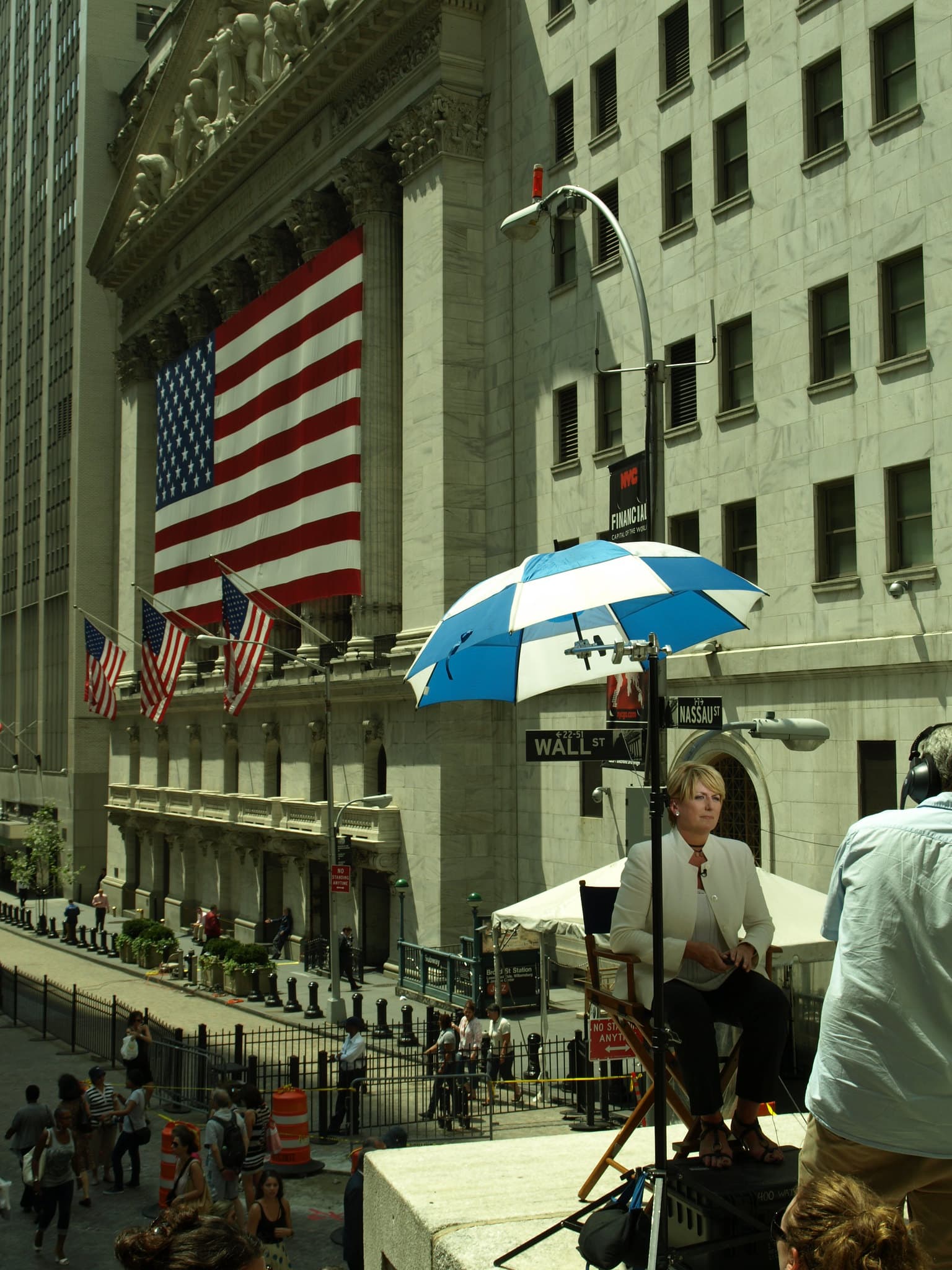
Austin Federa, head of strategy at the Solana Foundation, drew a direct line between crypto's reliability problem and traditional finance's track record this week, asking a question the industry has avoided answering: when was the last time NYSE or Nasdaq went down on a big trading day?
The answer is effectively never, at least not in any meaningful operational sense. The two major U.S. equity exchanges process billions of dollars in volume on days of peak volatility—rate decisions, earnings surprises, geopolitical events—without service interruptions that lock users out of their positions. Crypto exchanges and prediction market platforms cannot say the same.
Federa's critique targets a specific pattern: the platforms that are supposed to handle elevated volume during the moments that matter most are precisely the ones that fail during those moments. A crypto exchange going down on a high-volatility day is not a curiosity—it is a direct financial harm to users holding open positions with no ability to execute.
The comparison to TradFi infrastructure is not casual. NYSE operates under SEC-mandated systems integrity rules. Nasdaq runs redundant matching engines across geographically separated data centers. Both exchanges file detailed incident reports with regulators when disruptions occur and face oversight mechanisms that create accountability. Crypto platforms operate under no comparable uptime standard.
This gap has real precedent. During the March 2020 COVID crash, Coinbase suffered repeated outages over several days as traffic spiked. Robinhood blocked options trading during the January 2021 meme-stock surge, a decision that drew congressional scrutiny but no binding infrastructure mandate. In 2022, as crypto markets collapsed following the Terra-LUNA implosion, multiple centralized exchanges reported degraded performance at exactly the moment users needed access most.
Prediction markets—which Federa specifically named alongside crypto operators—carry the same structural vulnerability. Platforms like Polymarket process real money on live events, and a service interruption during a contested election call or a Fed decision effectively freezes participant funds during the most liquid window. That is not a theoretical risk; it is a recurring operational failure the sector has normalized.
The deeper issue is infrastructure investment. TradFi exchanges spent decades and billions of dollars hardening their systems. The NYSE's matching engine handles roughly 8 billion messages per day at peak. That engineering baseline was built under regulatory pressure, competitive necessity and the kind of institutional accountability that comes with being a licensed national securities exchange. Crypto platforms built for speed-to-market, not resilience.
Blockchain-layer reliability is a separate but related dimension of Federa's point. Solana itself suffered multiple network outages in 2021 and 2022, including a 17-hour halt in Sept. 2021 caused by a surge in transaction load from a bot-driven initial DEX offering. The network has run without a major outage since Feb. 2023, a record Solana developers attribute to validator client improvements and the introduction of the QUIC networking protocol. That progress is real, but it took years of failures to get there.
Ethereum's base layer has maintained consistent uptime, but gas fee spikes during high-demand periods create a different form of inaccessibility—transactions become economically unworkable for smaller participants even when the network itself is technically operational. Layer 2 networks built on top of Ethereum have their own sequencer downtime risks, with several Optimism-based rollups recording sequencer outages in 2023.
Federa's framing matters because it sets a clear benchmark. NYSE and Nasdaq are not aspirational targets—they are the operational floor that any platform handling real user funds should clear. The crypto industry has spent years arguing that decentralization provides resilience, but decentralization alone does not solve centralized exchange downtime, and it does not solve user-facing application failures on top of otherwise-functional chains.
The regulatory context is shifting. The CLARITY Act, the market-structure bill working through Congress, focuses on jurisdiction—whether a token is a security or a commodity—rather than on exchange infrastructure standards. No current legislation before Congress mandates uptime standards, incident reporting requirements or redundancy obligations for crypto trading platforms. That regulatory gap is what allows the status quo to persist.
The Fear and Greed Index sits at 29, in fear territory, with Bitcoin at $62,848. Low-sentiment environments are exactly when users are most likely to rush toward exits—and most likely to find the door locked.

