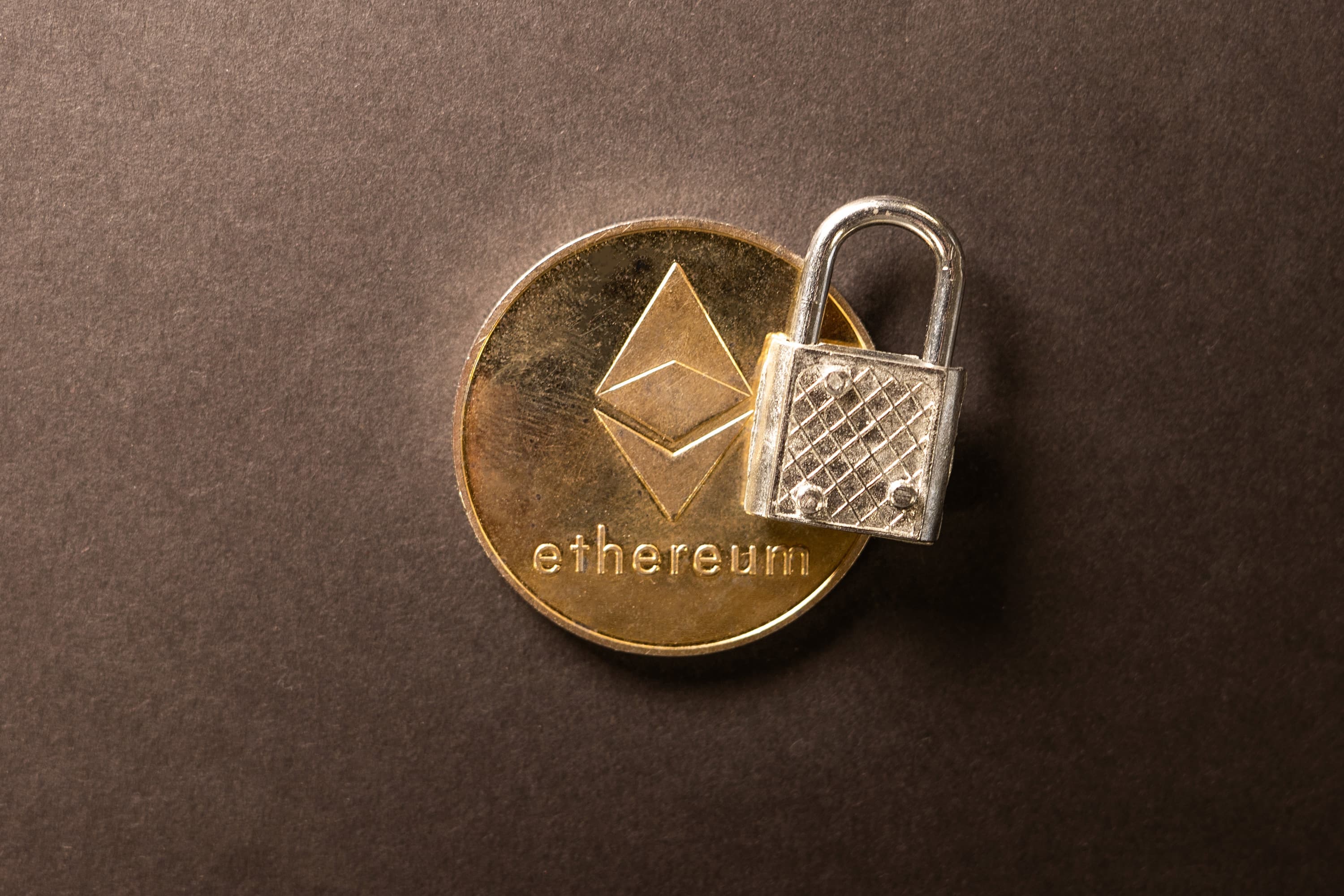
Ethereum emerged from a fundamental need for a global, decentralized platform capable of executing arbitrary code, not just transferring value. Bitcoin proved the power of a trustless, peer-to-peer digital currency, but its scripting language was intentionally limited. The problem Ethereum set out to solve was the bottleneck of centralized systems: their inherent vulnerability to censorship, single points of failure and opaque decision-making. Imagine a world where all digital agreements, applications and financial services run through a handful of corporations dictating terms and controlling access. Ethereum proposed an alternative: a distributed computational layer where anyone could deploy immutable, self-executing contracts—smart contracts—without an intermediary, fostering an open ecosystem of innovation no single entity could control.
At its core, Ethereum functions as a global, shared computer. Users initiate transactions, which are bundled into blocks and processed by a network of computers called validators. Since its transition to Proof-of-Stake consensus, these validators stake their Ether (ETH) as collateral, earning rewards for proposing and attesting to new blocks, thereby securing the network. When a user sends Ether, publishes data or runs a smart contract, they pay a gas fee in ETH. This fee compensates validators for their computational effort and prevents network spam, adjusting dynamically based on demand. The smart contracts themselves are code stored on the blockchain, automatically executing predefined terms when conditions are met. This mechanism allows peer-to-peer agreements and applications to run autonomously, transparently and without a central authority.
The native token, Ether (ETH), is fundamental to Ethereum's operation. ETH serves as the utility token for gas fees, powering every transaction and smart contract execution across the network. Beyond its role as digital fuel, ETH is the primary asset staked by validators to secure the network, providing a direct economic incentive for participation and integrity. This staking mechanism locks up a significant portion of the supply, contributing to scarcity. ETH also acts as a key form of collateral within the decentralized finance (DeFi) ecosystem built on Ethereum. The value of ETH accrues from demand for block space and the utility it provides within this ecosystem. With the implementation of EIP-1559, a portion of every transaction's gas fee is burned, introducing deflationary pressure on ETH's supply, particularly during periods of high network activity.
Ethereum's traction is undeniable, establishing it as the dominant smart contract platform. Its ecosystem spans virtually every sector of decentralized technology, from decentralized finance (DeFi) to non-fungible tokens (NFTs), decentralized autonomous organizations (DAOs) and blockchain gaming. The approval of Ethereum spot ETFs in May 2024 further solidified its position, providing regulated avenues for institutional and retail investors to gain exposure, much like Bitcoin spot ETFs did earlier that year. The volume of applications, users and value settled on Ethereum's base layer and its Layer 2 networks reflects widespread adoption. The GENIUS Act, signed into law in 2025, formalized the framework for payment stablecoin issuers, many of which operate extensively on Ethereum, further legitimizing its role in the broader financial landscape.
Despite its foundational status, Ethereum faces genuine risks. Scalability remains a persistent challenge; while Layer 2 solutions like rollups significantly alleviate congestion and reduce transaction costs, the underlying Layer 1 can still experience high gas fees during peak demand, impacting user experience and accessibility. Competition from alternative Layer 1 blockchains, which often promise higher throughput or lower fees, constantly pressures Ethereum to innovate. Regulatory uncertainty, though partially addressed by the CLARITY Act defining digital asset jurisdiction and the GENIUS Act for stablecoins, continues to evolve under SEC Chairman Paul Atkins and the current administration. Technical risks, including potential smart contract exploits and the complexity of ongoing protocol upgrades, always loom. As highlighted by Vitalik Buterin's latest roadmap, the long-term threat of quantum computing necessitates significant research and development into quantum-resistant cryptography, a complex and costly endeavor. At its current price of $1,870 amid a broader market fear sentiment—as indicated by the Fear & Greed Index at 29—Ethereum is not immune to market volatility.
Ethereum is indispensable global digital infrastructure, not merely a speculative asset. It pioneered the smart contract model, unlocking an explosion of decentralized innovation across finance, art and governance. It grapples with real challenges around scalability, centralization concerns and an ambitious technical roadmap toward quantum readiness and enhanced privacy, but its commitment to decentralization and programmability continues to define much of the crypto industry. Ethereum is a living, evolving protocol, constantly adapting to new demands and threats—and its journey reflects the ongoing maturation of the decentralized web itself.