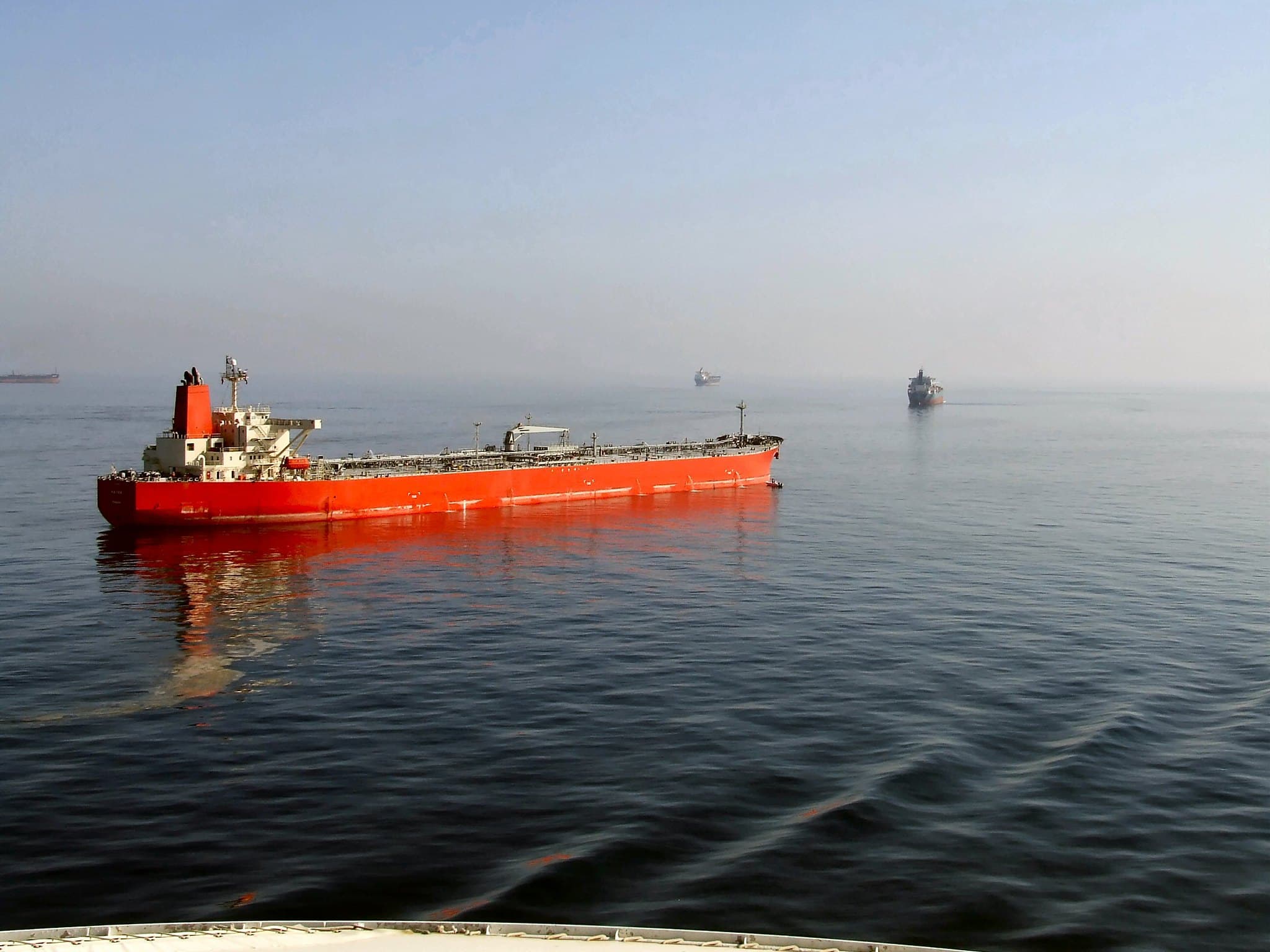
TEHRAN — Shipping traffic through the Strait of Hormuz, a critical global energy chokepoint, remains significantly impeded nearly two months after U.S. President Donald Trump and Iranian President Masoud Pezeshkian signed a memorandum of understanding to end blockades.
The disruption traces back to the initial Iranian retaliation against a U.S. and Israeli air campaign against Iran, which began Feb. 28, 2026. Before the conflict, approximately 25 percent of the world's seaborne oil trade and 20 percent of its liquefied natural gas passed through the strait.
Following the airstrikes, the Islamic new Guard Corps swiftly responded by issuing warnings against passage, boarding and attacking merchant ships, and laying sea mines in the strait. On March 27, the IRGC announced the strait's closure to any vessel traveling to or from ports in the United States, Israel and their allies.
The closure quickly created a shipping crisis. The International Maritime Organization reported April 21 that about 20,000 mariners and 2,000 ships were stranded in the Persian Gulf as a direct result of the restrictions.
Global energy markets reacted sharply to supply fears. Oil prices rose faster than during any other recent conflict, with Brent crude surpassing $100 per barrel on March 8 for the first time in four years. Prices peaked at $126 per barrel, marking the largest monthly increase on record in March 2026.
The disruption became the largest to world energy supply since the 1970s oil crisis. Beyond oil, other commodity markets also experienced supply disruptions and price increases, including aluminum, fertilizer and helium.
In late March and early April, Trump repeatedly threatened to destroy Iran's infrastructure if the strait was not reopened. A temporary ceasefire was agreed April 8, intended to facilitate the strait's reopening.
Those efforts faltered after the collapse of the Islamabad Talks. The U.S. Navy then initiated its own blockade of Iranian ports April 13, affecting ships leaving or bound for them, though humanitarian aid was exempted.
With Iran maintaining its blockade of the Gulf and the United States blockading Iranian ports, the situation grew more entangled. On April 17, Iran announced it would allow commercial shipping following an Israel-Lebanon ceasefire agreement, but the U.S. continued its blockade, leading Iran to reimpose its own restrictions.
Trump launched Operation Project Freedom on May 4, a U.S. Navy mission to escort merchant ships out of the Gulf. The Iranian military warned the operation would violate the ceasefire, prompting Trump to pause it May 6, citing "great progress" toward a potential agreement.
The June 17 memorandum of understanding between Trump and Pezeshkian was intended to end the war and blockades. Oil prices dropped sharply following the announcement, but the U.S. naval blockade remains in place, pending further negotiations with Iran.
Iranian Foreign Minister Abbas Araghchi said there was "no possibility of restarting negotiations" as long as the U.S. blockade continues. A top Iranian national security official delivered a sweeping set of demands that the United States must meet before the Strait of Hormuz fully reopens to maritime traffic.