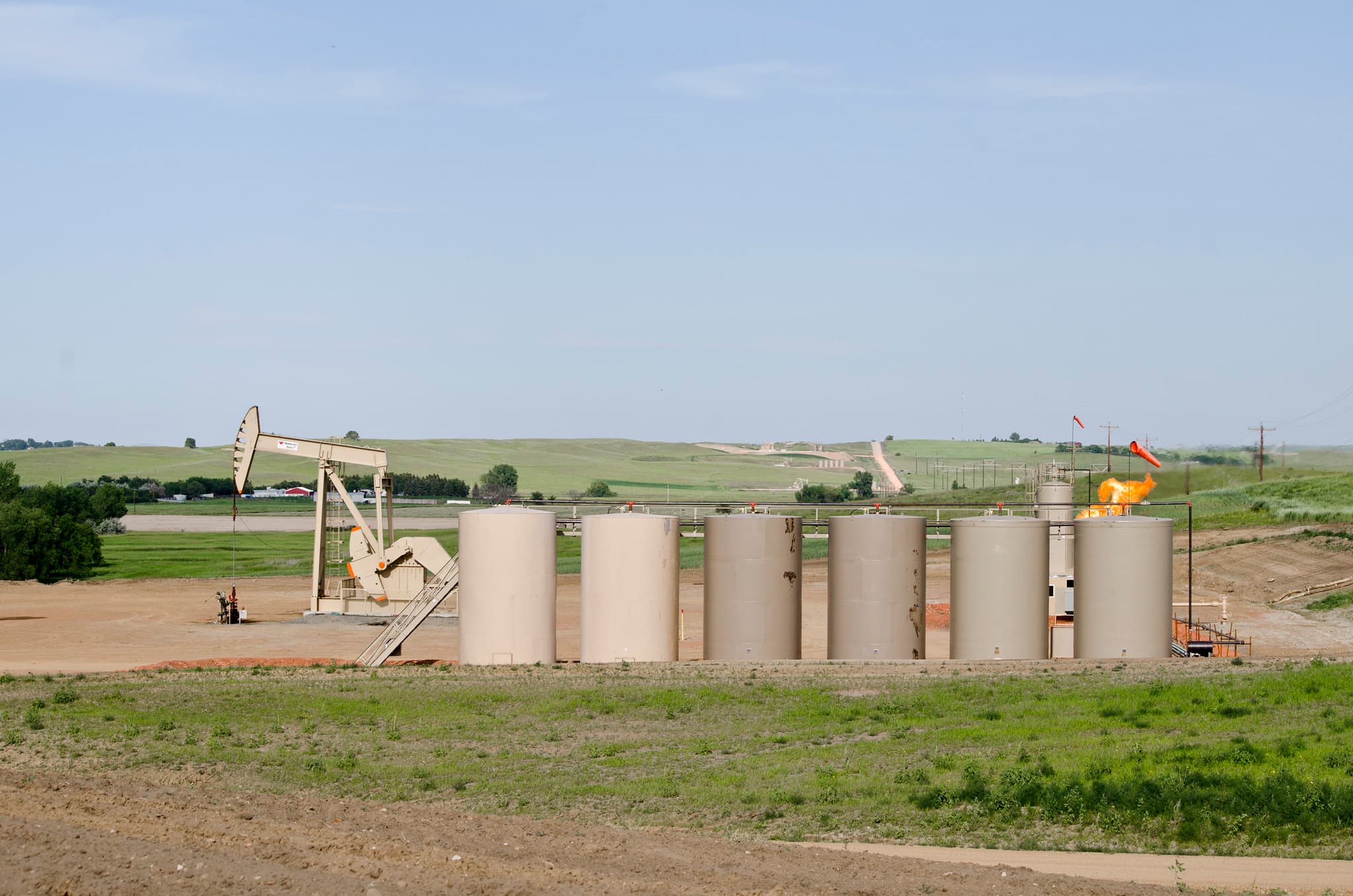
Global oil prices climbed after President Trump said the United States would restart a blockade on Iranian ships transiting the Strait of Hormuz and charge all other cargo passing through the waterway. Brent crude topped $83, while a broader global benchmark crossed $90 before pulling back slightly. The announcement followed earlier reports of Houthi rebel threats to regional shipping.
The prospect of sustained energy-cost increases drove bond yields higher across the curve. With inflation risk back on the table, investors demanded greater compensation for duration exposure, pushing prices lower. The move reinforced expectations that the Federal Reserve will hold its restrictive policy stance longer than markets had priced earlier this year, compressing risk appetite across credit spreads.
A four-day rally in U.S. equities lost momentum. The Dow Jones Industrial Average still gained 1.7 percent to 54,086 and the S&P 500 rose 1.8 percent to 7,737, but the session carried a cautious undertone as oil and inflation concerns weighed on sentiment.
Technology megacaps delivered mixed results. Meta Platforms fell 0.4 percent to $587.94 and Amazon dropped 2.3 percent to $277.42. Apple rose 2.0 percent to $309.38 and Nvidia climbed 2.6 percent to $211.94.
Oil prices registered a 5 percent increase on the session. The Breakwave Tanker Shipping ETF moved roughly four times that amount, reflecting the direct impact of shipping-route disruptions on freight markets. Tanker operators DHT Holdings and CMB.TECH NV returned to investor focus as freight-rate expectations shifted.
Optimism over U.S.-Iran talks, which had offered some stability in recent weeks, was tempered by the new threat. Any de-escalation could pull oil back, but current developments keep a meaningful risk premium embedded in energy prices—and in the duration market that prices off them.