NEW YORK — Recent comments from LIV Golf's CEO regarding the league's value and optimistic funding outlook reflect a persistent macroeconomic theme: the hunt for yield and uncorrelated assets by major institutional players, particularly sovereign wealth funds.
These large capital pools, often insulated from short-term market volatility, represent a significant force in global liquidity. Their deployment into alternative assets, such as sports franchises and leagues, signals a long-term duration bet on future cash flows. This capital allocation strategy occurs even as central banks like the Federal Reserve maintain policy rates at restrictive levels, influencing the cost of capital for traditional debt markets.
While direct market reaction to specific alternative asset funding announcements is often limited, the broader implications for capital markets are significant. The continued flow of patient, long-duration capital into illiquid assets suggests a split in investor sentiment. Public markets, including the Nasdaq at 25,326 and the S&P 500 at 7,259, have shown resilience, but demand for private, high-growth assets remains strong. This trend can divert capital that might otherwise seek allocation in public equities or investment-grade corporate bonds, potentially affecting liquidity and valuations in those traditional segments. Gold, trading near recent highs, also reflects broader institutional hedging against inflation and geopolitical uncertainty, themes often driving sovereign wealth allocations.
This current wave of sovereign wealth fund deployment into alternative and often illiquid assets draws parallels with previous cycles of abundant global liquidity, particularly following periods of sustained commodity price strength. During the mid-2000s and early 2010s, record oil revenues fueled the growth of these funds, leading to significant investments in real estate, infrastructure and private equity. The difference now lies in the asset classes targeted, with sports, technology and intellectual property gaining prominence. This shift reflects a maturing alternative asset landscape and an intensified search for assets with perceived long-term growth potential, distinct from the volatility of public equity markets or the low returns of government bonds during quantitative easing cycles.
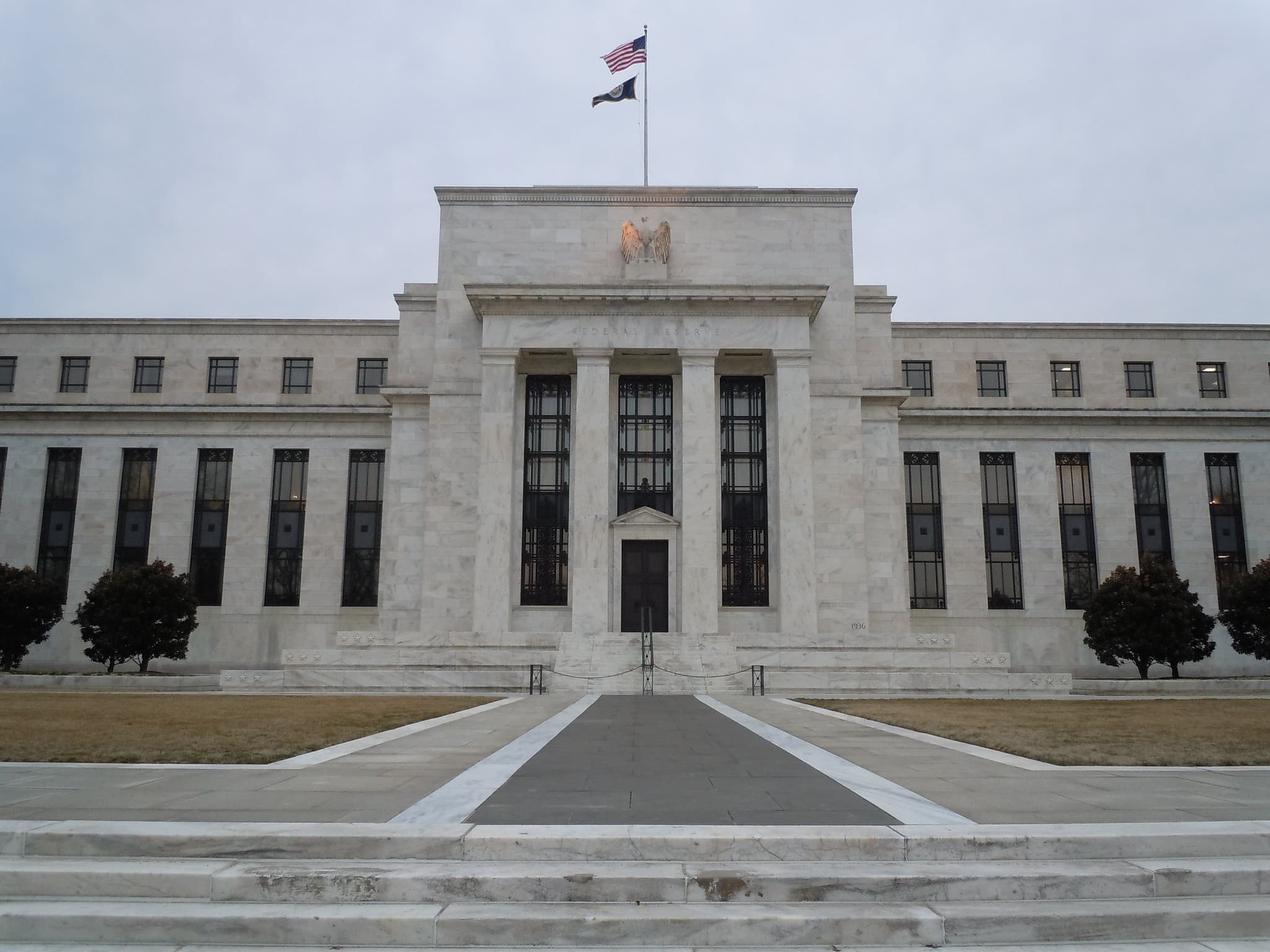
From a central bank perspective, the scale and often opaque nature of sovereign wealth fund investments in alternative assets present challenges. While not directly impacting overnight lending rates, these large capital flows can contribute to asset price inflation in specific sectors, complicating the Federal Reserve's mandate to maintain price stability. Fed Chair Jerome Powell and his counterparts at the European Central Bank and Bank of Japan monitor global capital movements for signs of systemic risk or financial imbalances. The allocation of billions into niche markets, even if seemingly uncorrelated, can create localized asset bubbles or distort traditional valuation metrics, making the assessment of broad financial conditions more complex for monetary policymakers.
The fixed income market, the arbiter of long-term capital costs, reacts to these broader shifts in investor appetite. When sovereign wealth funds commit significant capital to long-duration, illiquid assets like sports leagues, it signals comfort with extended investment horizons and willingness to take on duration risk outside traditional bond portfolios. This behavior can indirectly influence credit spreads, particularly for high-yield corporate bonds, as capital competes across different risk-return profiles. If substantial capital is locked into private markets, it could reduce demand for comparable risk in public debt, potentially widening spreads for less attractive public offerings. The current U.S. yield curve, while inverted in some segments, reflects ongoing uncertainty about the Fed's terminal rate and the path of future economic growth, yet the alternative asset market signals a different kind of long-term conviction.
The implications for other asset classes are wide-ranging. For equities, the continued flow into private ventures suggests a potential drain of capital from public listings, particularly for companies that might otherwise seek public funding. This could make public market valuations more sensitive to quarterly earnings and traditional metrics. In the crypto sector, where Bitcoin trades at $81,311 and Ethereum at $2,366, the search for uncorrelated assets and long-duration plays also resonates. While crypto's volatility profile differs significantly from private sports equity, both attract capital seeking returns beyond traditional financial instruments. Commodities, including oil and industrial metals, benefit from economic growth that often generates sovereign wealth, creating a feedback loop where commodity prices fund the very capital that then seeks alternative investments.
Looking ahead, the trajectory of sovereign wealth fund deployment will remain a critical factor in global capital markets. Upcoming central bank meetings, particularly those of the Federal Reserve and the European Central Bank, will dictate the broader interest rate environment, influencing the cost of capital and the attractiveness of both public and private investments. Key economic data releases, including inflation reports and employment figures, will further shape expectations for monetary policy. Analysts will watch for any shifts in sovereign wealth fund investment mandates, particularly regarding their exposure to emerging markets or their increased focus on sustainability-linked assets.
The persistent capital deployment by sovereign wealth funds into alternative assets like LIV Golf signals institutional demand for long-duration, uncorrelated returns in a world still dealing with inflation and interest rate uncertainty. This trend suggests that while central banks address the immediate economic landscape with policy rates, a significant portion of global capital is making strategic, multi-decade bets. Investors must recognize this segmentation of capital and its potential to drive valuations in specific private markets, even as public markets contend with a more volatile and rate-sensitive environment.