A significant strategic shift is underway among institutional capital, with a prominent UK family office now actively targeting an acceleration of private equity exits. This move is not merely an isolated portfolio adjustment; it signals a profound re-evaluation of illiquid asset valuations in a global macroeconomic landscape fundamentally reshaped by persistently elevated interest rates. As central banks, including the Federal Reserve, maintain a hawkish stance, the cost of capital has reset, making the once-lucrative carry trades and leveraged buyout structures in private markets increasingly challenging to justify. The decision by such patient capital to seek liquidity from these long-duration investments reflects a growing apprehension about future returns and the inherent illiquidity premium required in the current financial regime.
Bond markets are absorbing these signals, with subtle but important shifts across the yield curve. While the S&P 500 rallied one percent to $7,209 and the Dow Jones surged 1.6 percent to $49,652, the underlying fixed income narrative suggests caution. The U.S. Dollar Index has remained firm, reflecting global demand for safe-haven assets and the sustained attractiveness of U.S. Treasury yields relative to other developed markets. This cautious optimism in public equities, juxtaposed with the private market re-positioning, suggests a nuanced capital reallocation. Investors are increasingly favoring assets with demonstrable liquidity and transparent valuations, moving away from the opaque, longer-dated commitments typical of private equity funds, which can face significant mark-to-market pressures when discount rates climb.
Historically, periods of sustained high interest rates have invariably led to a re-pricing of risk across all asset classes, with illiquid investments often feeling the pinch first. The current environment echoes the late 1990s and early 2000s, where a higher cost of funding exposed overleveraged positions and unrealistic growth assumptions. Unlike previous cycles where central banks swiftly intervened with rate cuts to cushion economic downturns, the Federal Reserve under Chair Jerome Powell has consistently emphasized its commitment to price stability, indicating a "higher for longer" policy trajectory. This commitment forces institutional investors to scrutinize duration risk more acutely, particularly in private portfolios where the ability to exit positions quickly at fair value is often compromised, leading to potential liquidity traps.
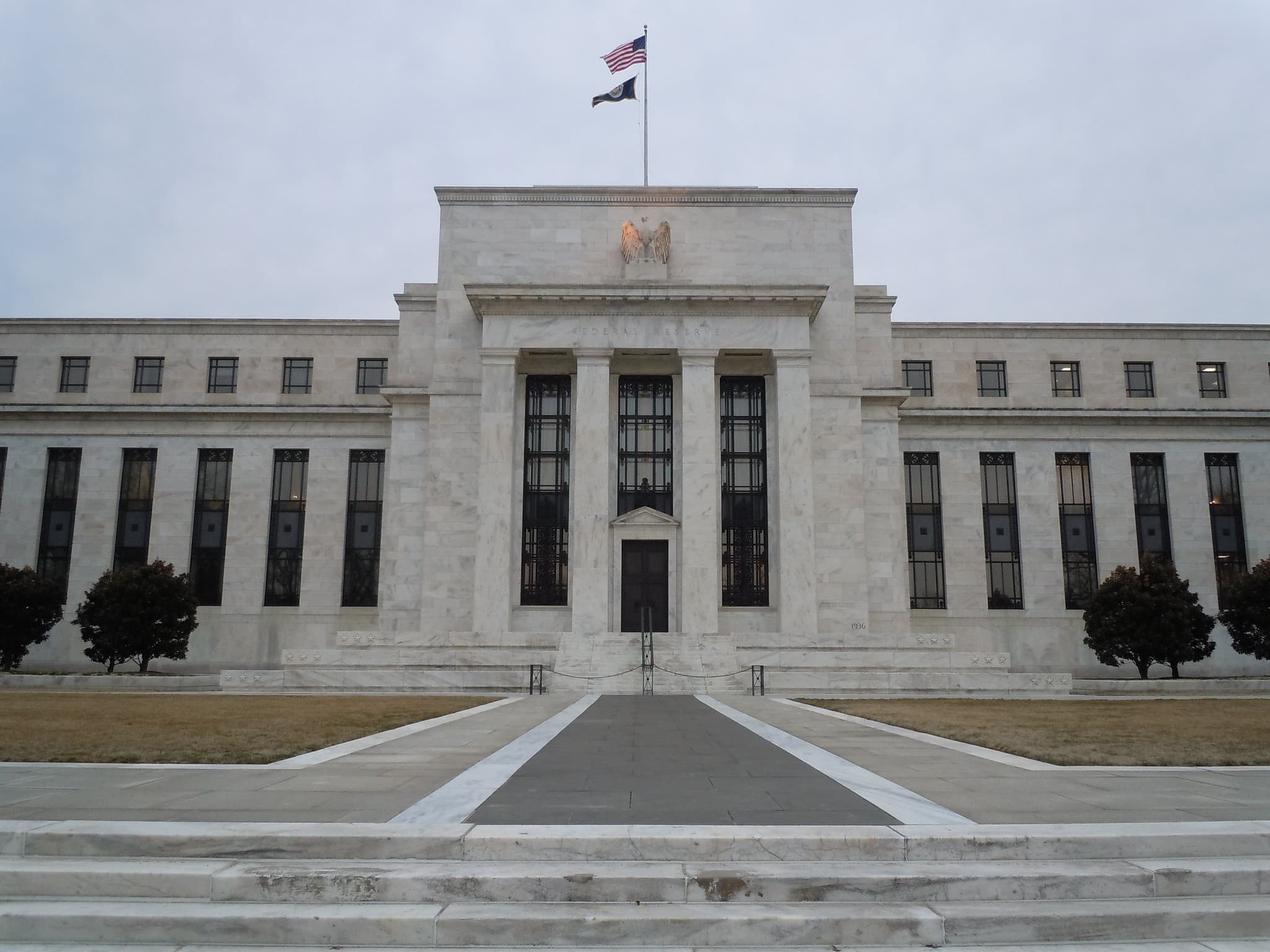
From a central bank perspective, the Federal Reserve is likely observing these capital flows closely, particularly for any signs of broader financial system stress. While the current activity of a family office exiting private equity is not inherently destabilizing, a widespread institutional exodus could exacerbate liquidity challenges in private credit and equity markets, potentially impacting bank lending and corporate financing conditions. The Fed's dual mandate of maximum employment and price stability means it prioritizes inflation control, and any market dislocations stemming from a re-pricing of risk are generally viewed as a necessary, albeit sometimes painful, adjustment to a more normalized interest rate environment. The European Central Bank and Bank of Japan are also grappling with similar pressures, albeit with varying degrees of inflation and growth concerns, shaping their own policy responses.
Fixed income markets are directly impacted by this re-evaluation of private asset risk. The demand for liquidity and shorter duration assets could drive a further flattening or even inversion of certain parts of the yield curve, as investors seek safety in the front end. Credit spreads, particularly in the high-yield and leveraged loan markets that often finance private equity deals, are under pressure to widen. As the cost of debt for new acquisitions rises and existing portfolio companies face higher debt servicing costs, the probability of defaults increases, demanding a higher risk premium for lenders. This environment places a premium on active management of duration risk, with sophisticated investors potentially rotating into high-quality, investment-grade corporate bonds or short-term U.S. Treasuries to mitigate interest rate volatility and preserve capital.
The implications extend across the broader asset complex. While the Nasdaq saw a 0.9 percent gain to $24,892, and cryptocurrencies like Bitcoin traded at $77,232 and Ethereum at $2,281, the Crypto Fear & Greed Index registering 26 (Fear) suggests underlying market trepidation. This divergence indicates a rotation within public equities towards perceived value or defensive sectors, even as technology giants like NVIDIA and Microsoft saw declines of 4.6 percent and 3.9 percent respectively. The exit from illiquid private assets could fuel demand for more liquid public market alternatives, including high-dividend stocks or exchange-traded funds, and potentially even high-quality real estate investment trusts. Commodities, particularly gold, could also see increased interest as a hedge against both inflation and broader economic uncertainty, offering a counter-cyclical appeal amidst financial market volatility.
Looking ahead, market participants will keenly watch upcoming macroeconomic data releases, particularly inflation reports and employment figures, for any signs that central banks might deviate from their current policy path. The next Federal Open Market Committee meeting will be crucial for discerning any shifts in forward guidance, which could significantly impact bond yields and credit spreads. Further, corporate earnings reports will provide insight into how companies are navigating the higher cost of capital and a potentially slowing economic growth environment. Scenario analysis suggests that a prolonged period of elevated rates will continue to put pressure on private market valuations, necessitating further exits and potentially triggering a broader re-pricing across private capital markets globally.
The bottom line for Gokhshtein Media readers is clear: the strategic pivot by a prominent family office to divest from private equity is a bellwether for the broader financial landscape. It signals an unmistakable institutional acknowledgment that the era of ultra-low interest rates and easy liquidity is firmly in the rearview mirror. Investors must now contend with a higher cost of capital, increased duration risk, and a discerning eye on liquidity. The smart money is not waiting for a central bank pivot; it is actively re-positioning portfolios for a sustained period of higher rates, prioritizing capital preservation and liquidity over the illiquidity premium that defined the previous cycle. This shift will continue to reverberate through credit markets, equity valuations, and the broader macro environment for the foreseeable future.