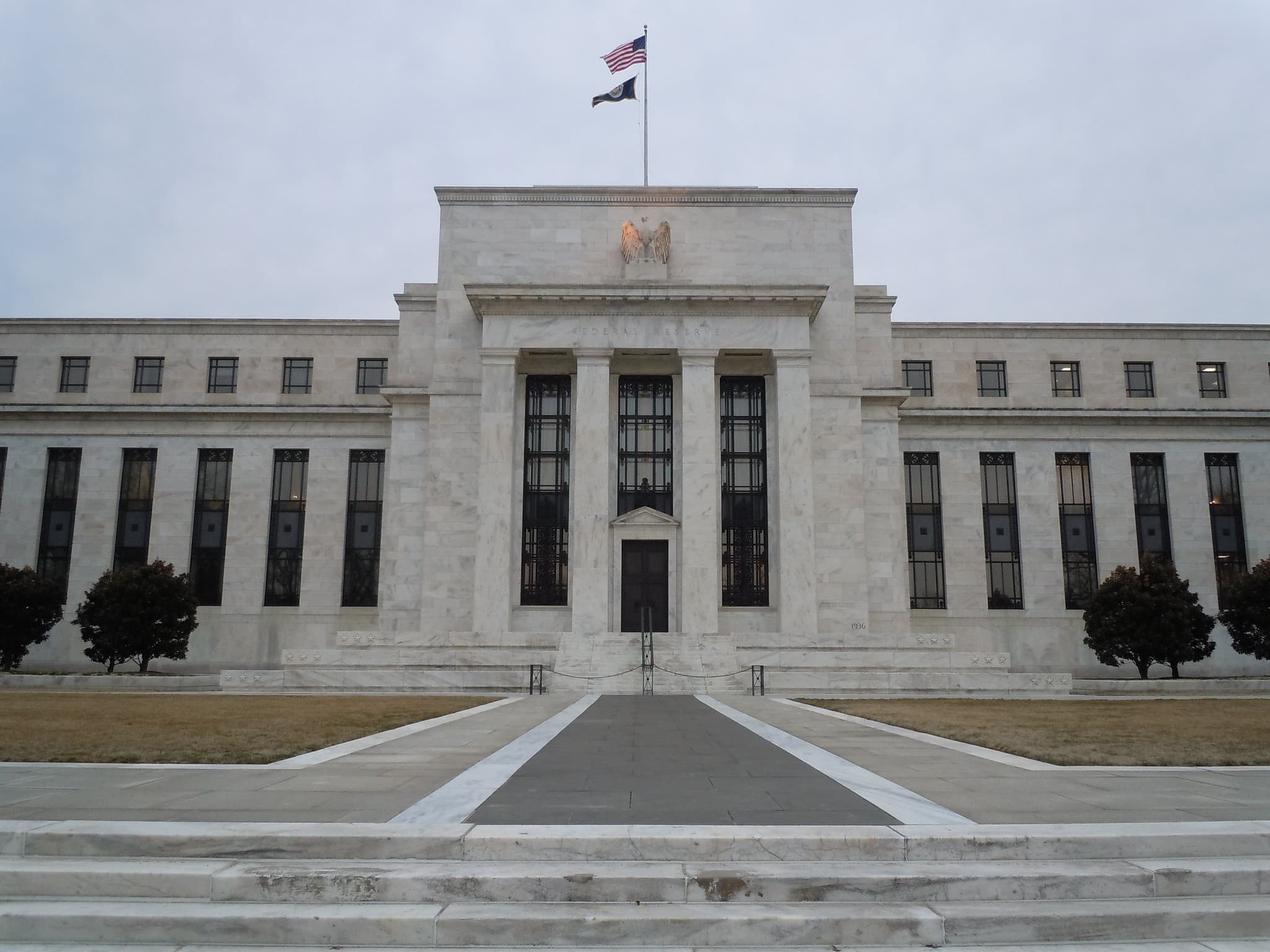
NEW YORK—The latest Consumer Price Index report showed core inflation holding firm at 4.1 percent year-over-year for March, defying market expectations for moderate deceleration. This persistent inflationary pressure immediately recalibrated bond market expectations, solidifying the Federal Reserve's hawkish stance and reinforcing the "higher for longer" narrative that has characterized fixed income markets for months. The data signals that the path to the Fed's two percent target remains arduous, suggesting that any significant easing of monetary policy is likely further out than many analysts previously projected. This environment creates a compelling backdrop for long-term capital to seek refuge and yield in assets with inherent inflation-hedging characteristics, such as real estate and established hospitality brands.
Bond yields reacted swiftly to the inflation print, with the benchmark two-year Treasury yield pushing higher by 12 basis points to 5.38 percent, while the 10-year Treasury yield rose by seven basis points to 4.72 percent. This immediate steepening of the front end of the curve reflects the market's conviction that the Fed will maintain restrictive policy for an extended period, dampening hopes for imminent rate cuts. The U.S. Dollar Index strengthened, nearing 106, as the prospect of higher relative rates attracted capital flows. Equity markets showed a mixed reaction, with the S&P 500 down 0.1 percent to 6,817 and the Dow Jones falling 0.6 percent to 47,917, while the Nasdaq managed a 0.4 percent gain to 22,903, primarily driven by resilient technology names like NVDA, which rose 2.6 percent to $188.63. The broader market sentiment remains cautious, with the Crypto Fear & Greed Index registering a low of 15, indicating extreme fear and a general flight from speculative assets toward perceived havens or real value.
Periods of persistent inflation and elevated interest rates have reshaped institutional investment strategies, channeling capital away from traditional fixed income and into real assets capable of generating stable, inflation-adjusted returns. The current environment echoes patterns seen in previous decades where the search for yield extended beyond public markets into private equity and real estate. Large-scale acquisitions of established businesses with strong pricing power, like the Ivy hospitality empire, represent a strategic deployment of capital designed to withstand inflationary pressures and deliver long-term value. This shift reflects a fundamental re-evaluation of portfolio construction in a landscape where real yields on government bonds remain compressed or negative, pushing sophisticated investors to seek tangible assets that can offer operational alpha and a hedge against currency debasement.
Federal Reserve Chair Jerome Powell and other central bank officials across the globe face a delicate balancing act. While the Fed has signaled its commitment to price stability, the sticky inflation data provides little room for dovish pivots. This maintains a high cost of capital for many businesses and challenges traditional financing models. For entities like Sheikh Tahnoon's International Holding Company (IHC), backed by substantial sovereign wealth, the high interest rate environment presents an opportunity to acquire high-quality assets at valuations potentially constrained by public market financing costs. Such patient capital, unburdened by short-term quarterly pressures, can take a long-term view on asset appreciation and operational synergies, making these deals attractive even when conventional debt financing is expensive. The European Central Bank and the Bank of Japan also grapple with their own inflation dynamics, influencing global capital flows and the attractiveness of various asset classes.
From a fixed income perspective, the persistent inflation print exacerbates duration risk for bondholders and maintains pressure on credit spreads. While investment-grade corporate bonds might offer some incremental yield over Treasuries, the overall risk-adjusted returns in a higher-for-longer regime can be less appealing for large institutional portfolios. This prompts a strategic reallocation toward alternative assets that offer a more robust hedge against inflation and a clearer path to real returns. The acquisition of a hospitality empire, with its tangible assets, operational cash flows and ability to adjust pricing in an inflationary environment, becomes a compelling proposition. It represents a pivot away from pure interest rate sensitivity toward assets with inherent pricing power and a lower correlation to public market volatility, a classic play for sophisticated investors seeking to de-risk and enhance real yields in a challenging macro environment.
Cross-asset implications of this macro backdrop are profound. In equities, the focus shifts to companies with strong balance sheets, pricing power and resilient demand, explaining the continued strength in mega-cap tech like NVDA at $188.63 and Amazon at $238.38, which can often absorb higher input costs. Conversely, highly leveraged companies or those sensitive to discretionary consumer spending face headwinds. In the crypto space, with Bitcoin trading at $73,098 and Ethereum at $2,260, the Extreme Fear reading on the Crypto Fear & Greed Index at 15 suggests a broader risk-off sentiment. While some might view Bitcoin as an inflation hedge, the current environment pushes capital toward more tangible, cash-flow-generating assets like real estate and established businesses, rather than purely speculative digital assets. Commodities, particularly gold and energy, continue to benefit from inflation hedging demand and geopolitical tensions, further reinforcing the thematic shift toward real assets.
Market participants will closely scrutinize upcoming data releases, including the Producer Price Index and the next Personal Consumption Expenditures (PCE) report, for further clues on inflation's trajectory. The Federal Open Market Committee's next meeting and the speeches from regional Fed presidents will be parsed for any shift in rhetoric, though the latest CPI print suggests a firmly restrictive stance for the foreseeable future. Geopolitical stability and global supply chain dynamics will also continue to influence inflation expectations and central bank policy. The strategic deployment of capital by sovereign wealth funds into real assets like hospitality will likely continue, signaling a long-term conviction in tangible assets in a world grappling with persistent inflation and elevated interest rates.
Richard Caring's sale of a majority stake in his Ivy hospitality empire to Sheikh Tahnoon's IHC is far more than a high-profile M&A deal; it is a significant macro indicator. This transaction underscores a profound global capital reallocation strategy by institutional players in response to sticky inflation, higher-for-longer interest rates and the ongoing search for inflation-resilient assets. It highlights how sovereign wealth funds, with their patient capital and long-term mandates, are strategically acquiring real assets that offer stable cash flows and inherent pricing power, effectively hedging against the duration risk and compressed real yields prevalent in traditional fixed income markets. This trend will continue to shape capital flows, asset valuations and investment strategies across the globe for the foreseeable future.