Bill Ackman's reported pursuit of Universal Music Group, as initially highlighted by a report, resonates deeply within fixed-income circles, signaling a critical juncture for capital allocation in the current macroeconomic environment. This move by Pershing Square, one of the industry's most prominent activist investors, occurs amidst a backdrop of persistently high interest rates and a Federal Reserve committed to its inflation mandate. Such a significant potential transaction forces a re-evaluation of asset valuations and the cost of debt, particularly as corporations grapple with tighter credit conditions and investors demand greater risk premiums for illiquid assets.
The immediate market reaction, while not tied to specific price movements for Universal Music Group in the absence of a confirmed deal, reflects a broader sentiment around M&A appetite. While the S&P 500 holds steady at $6,617 and the Nasdaq shows marginal gains at $22,018 today, the underlying currents suggest a cautious optimism for strategic plays that promise long-term value. Corporate bond markets remain attuned to any indication of increased leverage or shifts in credit quality that could arise from large-scale acquisitions, with spreads already reflecting a careful assessment of corporate balance sheet resilience in a higher-for-longer rate paradigm. The dollar index, a barometer of global capital flows and risk sentiment, has shown a nuanced reaction, with any substantial M&A activity potentially driving demand for dollar-denominated assets.
Historically, periods of robust M&A activity, especially those involving prominent private capital, have often coincided with specific phases of the economic cycle. The current landscape, characterized by a Federal Reserve maintaining a restrictive stance, differs markedly from the cheap money era that fueled many prior leveraged buyouts. This environment demands that investors like Ackman demonstrate a clear path to value creation, often through operational efficiencies or market consolidation, rather than relying solely on financial engineering and low-cost debt. The ability to execute such a large-scale bid effectively in 2026 highlights a belief in the target's intrinsic value, even as the broader market adjusts to a new normal for the cost of capital, a stark contrast to the frothy valuations seen just a few years prior.
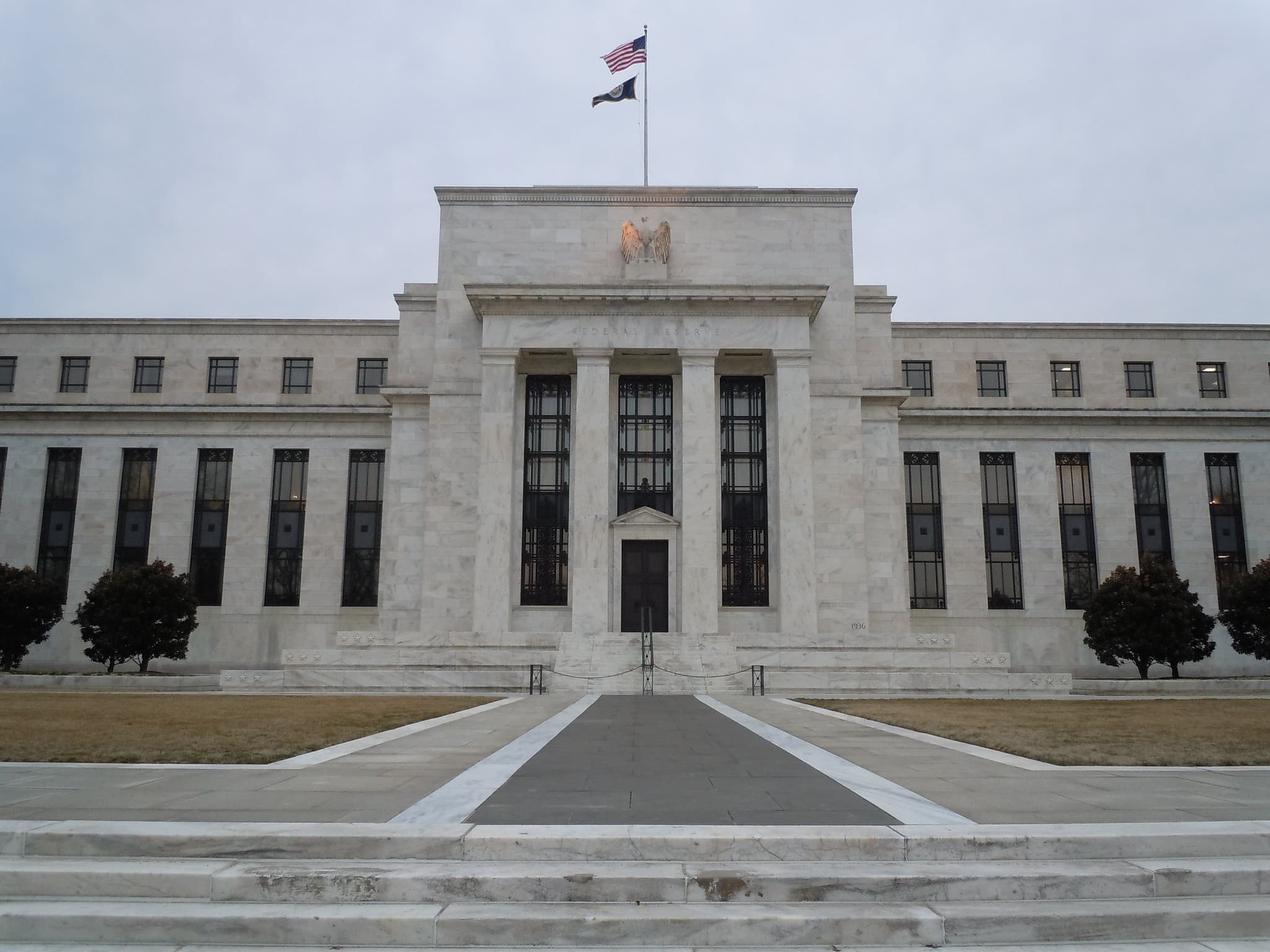
From the central bank's vantage point, a high-profile bid like Ackman's for Universal Music Group presents a double-edged sword. On one hand, it could be interpreted as a sign of underlying economic confidence and robust corporate earnings, suggesting the economy is resilient enough to absorb higher rates. On the other hand, a surge in M&A activity, particularly if financed through substantial debt issuance, could contribute to broader financial conditions easing, potentially complicating the Federal Reserve's efforts to temper inflation. Jerome Powell and the Federal Open Market Committee continue to emphasize data dependency, and while isolated deals do not dictate policy, the aggregate trend of capital deployment and corporate leverage remains a critical input for monetary policy decisions.
The fixed-income implications of a potential Universal bid are substantial, particularly for credit markets. Any significant debt issuance to finance such an acquisition would inevitably exert pressure on corporate bond spreads, especially within the entertainment or media sectors. Investors holding duration risk in related corporate credits would be closely monitoring the terms of any new financing, assessing the potential for spread compression or widening based on the deal's structure and the acquiring entity's credit profile. The cost of capital for such a transaction in the current yield environment—where the 10-year Treasury yield hovers significantly above historical averages for M&A—demands meticulous financial structuring, placing intense scrutiny on covenants, collateral, and overall leverage ratios. This forces a disciplined approach, moving away from the loose terms prevalent when rates were near zero.
Cross-asset implications extend beyond traditional corporate bonds. While equity markets generally welcome M&A as a sign of corporate vitality and potential shareholder value creation, the specific nature of a deal in the entertainment sector could drive rotation within equity portfolios, favoring value over growth in certain contexts. For digital assets, which often serve as a gauge of broader risk sentiment, the Crypto Fear & Greed Index currently sits at 11, indicating Extreme Fear. Bitcoin's price at $68,999 and Ethereum at $2,112 reflect a market grappling with macro uncertainty, where capital is increasingly discerning. Major M&A activity, if perceived as a sign of economic stability or renewed corporate confidence, could indirectly provide some tailwind to risk assets, but the primary drivers for crypto remain distinct, often tied to regulatory clarity and institutional adoption, as evidenced by the successful trading of Bitcoin spot ETFs since January 2024 and Ethereum spot ETFs since May 2024.
Looking forward, the market will scrutinize any further developments regarding the Universal bid, not just for the specifics of the deal but for its broader implications on capital markets. Upcoming economic data releases, including the next CPI report and quarterly earnings, will heavily influence the Federal Reserve's forward guidance and, consequently, the cost of debt for future M&A. Should the Fed signal a prolonged period of elevated rates, the hurdle rate for such large-scale transactions will remain high, favoring companies with strong cash flows and less reliance on external financing. Conversely, any unexpected softening in inflation data could open the door for more aggressive debt-financed deals, though a significant pivot from the Fed appears unlikely in the near term.
The bottom line from Gokhshtein Media's perspective is clear: Ackman's reported interest in Universal Music Group is more than just another M&A headline; it is a macro signal. It reflects a strategic imperative for sophisticated capital to identify value in an environment where easy money is a relic of the past. The success or failure of such a high-profile bid will offer crucial insights into the true cost of capital, the resilience of corporate balance sheets, and the prevailing risk appetite among institutional investors. This move underscores a fundamental shift in market dynamics, where disciplined underwriting and a clear path to operational value are paramount, defining the landscape for corporate finance in 2026 and beyond.