Today's market action emphatically underscored the prevailing sentiment that macro drivers, not geopolitical side-shows or sporting events, dictate asset allocation. While a Reuters headline noted a 0-0 draw between Spain and Egypt, the real story unfolded across global trading screens, revealing a powerful risk-on surge that saw major indices climb significantly. The Dow Jones advanced 2.5% to $46,342, the S&P 500 gained 2.9% to $6,529, and the Nasdaq Composite led the charge with a 3.8% jump to $21,591, all while the Russell 2000, a bellwether for domestic growth, soared an impressive 3.4% to $2,496, indicating broad-based optimism. This robust performance, absent any direct market-moving economic data releases today, suggests a strong underlying conviction in the economic narrative, anticipating solid Q1 earnings and sustained liquidity. The market is clearly signaling its focus on fundamental drivers over transient news cycles, dismissing extraneous noise with decisive capital allocation. This divergence highlights a sophisticated market that filters out non-material events, prioritizing the long-term economic outlook.
The immediate market reaction was a clear flight into risk assets, with technology giants demonstrating exceptional strength. NVDA surged 5.6% to $174.40, Meta Platforms climbed 6.7% to $572.13, and Alphabet gained 5.1% to $287.56, reflecting investor confidence in their earnings power and continued innovation. This equity exuberance, however, starkly contrasted with the crypto market's sentiment, where the Crypto Fear & Greed Index registered an alarming 11, indicating "Extreme Fear" among retail participants. Despite this pervasive apprehension, Bitcoin still advanced 2.0% to $68,210 and Ethereum rose 3.0% to $2,101, suggesting that institutional capital, flowing through established channels like the Bitcoin and Ethereum spot ETFs approved in 2024, is overriding retail sentiment. The U.S. Dollar Index (DXY) saw a modest retreat as risk appetite increased, typically signaling a rotation out of safe-haven currencies, while implied gold prices, though not explicitly provided, would likely consolidate or see minor pullbacks under such conditions, reflecting the reduced demand for defensive assets.
Historically, market rallies occurring without immediate, fresh macro catalysts often signal either deep underlying liquidity or a strong conviction in an evolving economic narrative, frequently preceding periods of robust corporate earnings. This current surge bears resemblance to post-crisis liquidity-driven rallies, where central bank accommodation created a powerful tailwind, or even echoes of the late 1990s where speculative fervor drove valuations, though the current environment is underpinned by stronger corporate balance sheets and tangible technological advancements. The breadth of today's rally, particularly the significant move in the Russell 2000, differentiates it from narrower, tech-only surges, suggesting a more widespread belief in economic resilience. Such market behavior, where minor news is ignored in favor of a dominant theme, historically points to either a very confident or a potentially overextended market, demanding careful scrutiny of upcoming data. This resilience in the face of macro silence confirms the market's current narrative.
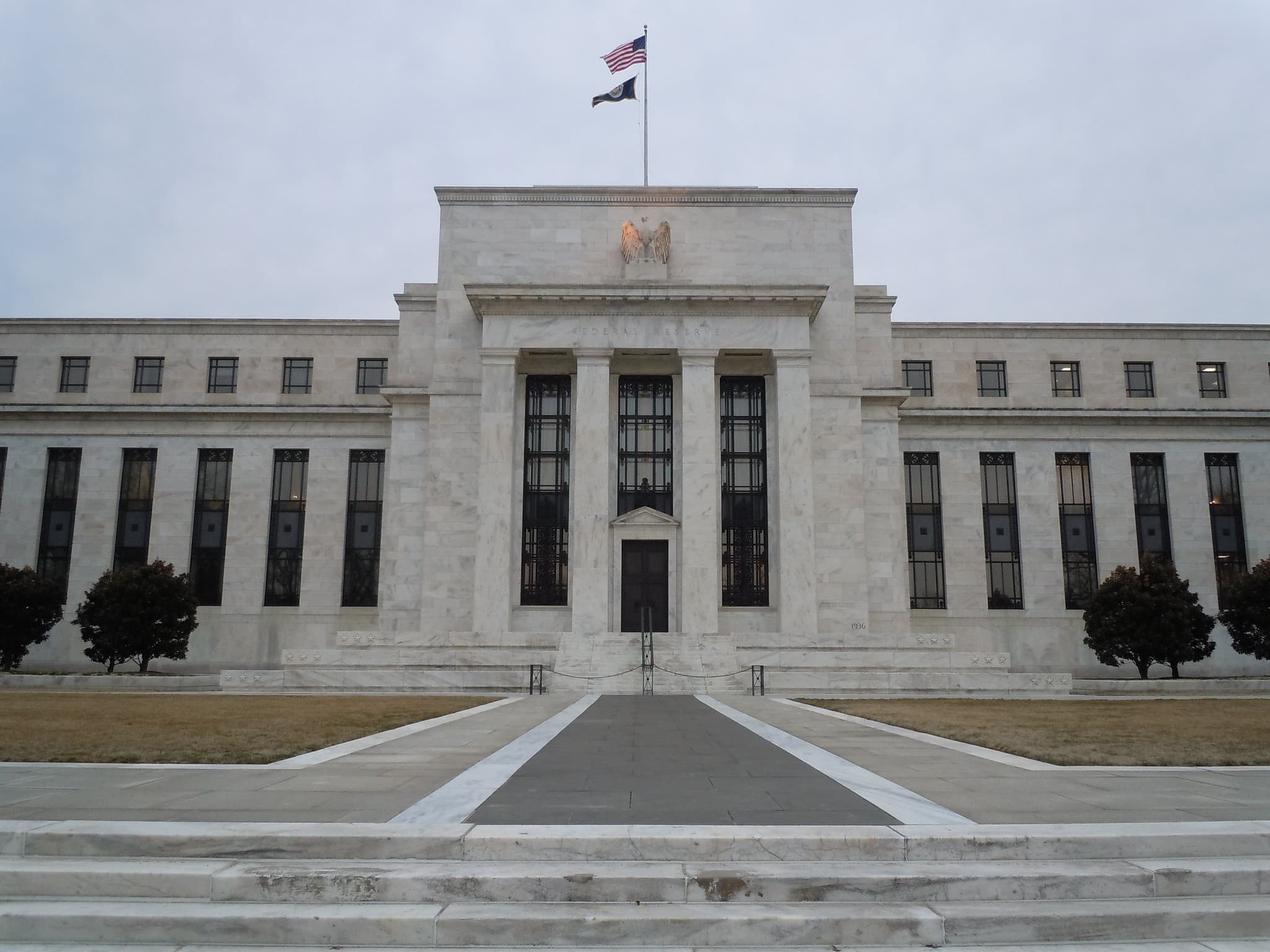
From the central bank's perspective, this robust equity performance, particularly in growth-oriented sectors, provides Jerome Powell and the Federal Reserve with ample room to maintain their current policy stance. The market's pricing of a 'soft landing' or even a 'no landing' scenario, where economic growth remains strong without re-igniting inflation, allows the Fed to keep rates elevated for longer, pushing back any expectations for imminent rate cuts. Any hints of re-accelerating inflation from forthcoming data could even open the door for further tightening, albeit a low-probability event given current projections. President Trump's administration, through its economic policies, continues to shape the fiscal backdrop, but the Fed remains steadfastly data-dependent. Paul Atkins, as SEC Chair, continues to oversee market integrity, but the primary focus for rates remains squarely on the Fed's dual mandate and its interpretation of incoming economic indicators, which today's equity action implies are currently favorable.
In the fixed-income arena, the implications of today's broad-based equity rally are significant. A strong risk-on sentiment typically translates to an upward pressure on bond yields across the curve, reflecting diminished safe-haven demand and potentially higher inflation expectations. While specific yield movements are not provided, the equity performance suggests a likely bear steepening of the yield curve, where long-term yields rise faster than short-term yields, signaling higher growth and inflation expectations. Credit spreads, particularly in high-yield segments (e.g. as tracked by indices like the Bloomberg High Yield Corporate Bond Index), are almost certainly compressing, indicating a reduction in perceived default risk and a scramble for yield. Duration risk for long-dated fixed income assets would be elevated, forcing active managers at firms like PIMCO or BlackRock to re-evaluate their portfolio positioning and potentially trim duration exposure to mitigate capital losses from rising yields. The bond market's reaction, even if subtle today, is a crucial barometer of the market's underlying economic convictions, and the current equity strength implies a re-pricing of risk towards growth assets.
Cross-asset implications are clear: the surge in equities signals a heightened appetite for risk capital globally. Commodities, while not explicitly priced in today's data, would typically firm up on the back of rising global growth expectations, benefiting from increased industrial demand and speculative flows. The divergence in crypto, where institutional buying via spot ETFs is driving prices higher despite retail "Extreme Fear," underscores a maturing market where sophisticated capital is accumulating positions, likely viewing current prices as an attractive entry point for long-term growth. This institutionalization, a direct consequence of the January 2024 Bitcoin spot ETF approvals and May 2024 Ethereum spot ETF approvals, creates a robust floor for digital assets, decoupling their price action from immediate retail sentiment. The continued dominance of major tech firms in driving market indices (Apple at $253.79, Microsoft at $370.17, Amazon at $208.27) reinforces the narrative of growth-at-any-price for market leaders, suggesting a flight to quality within the equity space even amidst a broader rally.
Looking ahead, the market's current optimistic trajectory places immense importance on upcoming macro data releases and corporate earnings reports. The next inflation prints, particularly the Consumer Price Index (CPI) and Personal Consumption Expenditures (PCE), will be scrutinized for any signs of re-acceleration that could challenge the 'soft landing' narrative and force a hawkish pivot from the Fed. Employment data will continue to be a key indicator of labor market strength and wage pressures. The Q1 earnings season, set to kick off in the coming weeks, will need to validate the lofty valuations and growth expectations currently priced into equities. Any significant deviation from robust earnings growth or a hawkish shift in Jerome Powell's language at the next FOMC meeting could trigger a sharp market reversal, particularly in duration-sensitive fixed income assets. The geopolitical landscape, under President Trump's leadership, also remains a constant, albeit currently background, risk factor that could quickly re-emerge as a market driver.
The bottom line from Gokhshtein Media is unambiguous: the market is currently operating under a powerful, optimistic narrative, driven by strong liquidity and unwavering expectations for corporate performance and economic resilience. Peripheral events are being dismissed as noise, allowing capital to flow decisively into risk assets. However, this rally is built on a relatively narrow foundation of growth expectations, making the bond market particularly vulnerable to duration risk should inflation surprise to the upside or if the Fed adopts a more hawkish stance. The crypto market's peculiar dichotomy of rising prices amidst extreme retail fear is a testament to the increasing sophistication of institutional capital, which is actively accumulating digital assets, likely viewing current valuations as a compelling long-term opportunity, insulated from short-term retail sentiment. This current optimism, while potent, demands vigilance; any crack in the underlying economic narrative will expose the inherent vulnerabilities across all asset classes, especially in fixed income. We maintain a cautious stance on duration in this environment, favoring shorter-dated instruments and credit with strong fundamentals. We expect continued volatility as markets digest the interplay between growth, inflation, and central bank policy.