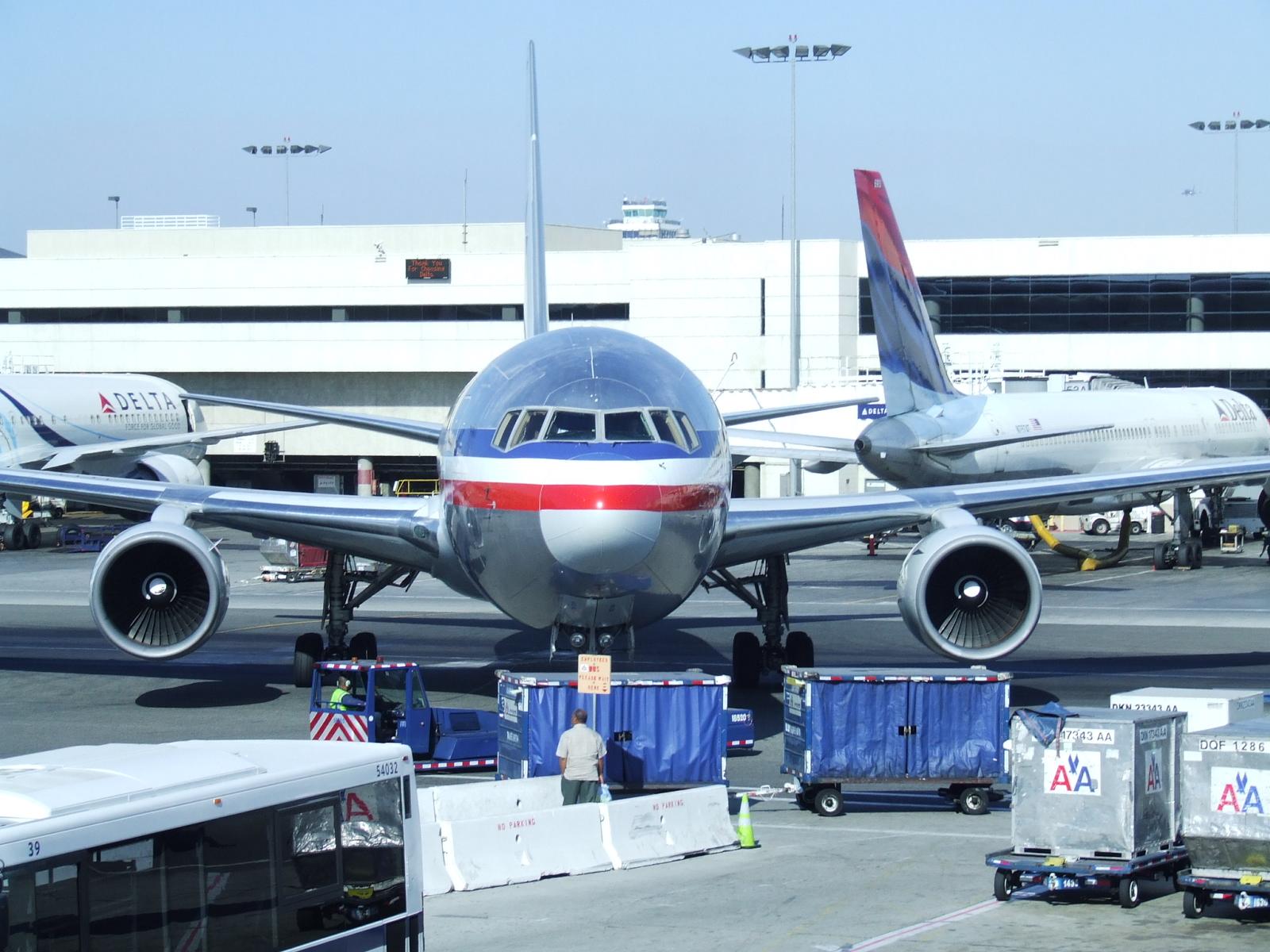
U.S. Transportation Secretary Sean Duffy is pressuring Congress to deliver $50 billion by year-end to prevent further aviation disruptions. The funding targets air traffic control modernization, airport infrastructure upgrades, and staffing shortages—operational bottlenecks that have driven flight delays, cancellations, and compressed margins across the sector.
For Delta Air Lines and United Airlines, this is a binary catalyst. The carriers' near-term earnings power depends on whether Congress acts. Persistent operational inefficiencies depress capacity utilization and inflate unit costs, creating headwind to margins that analysts have already begun factoring into 2025 guidance. Failure to fund guarantees downward revisions.
Duffy's $50 billion demand is concrete, not abstract. It addresses specific operational constraints that cascade into revenue loss and cost pressure. Major U.S. carriers cannot absorb this structural drag indefinitely without valuation reset.
Congress is expected to debate the package in coming weeks, with a vote anticipated before the holiday recess. This timeline is a hard catalyst. If the bill passes, airline stocks get a tailwind into earnings season. If it stalls, expect institutional holders to rotate out of the sector on the assumption of worse-than-guided 2025 earnings.
Watch committee hearings next month for the shape of the final package. The allocation breakdown—how much goes to staffing versus infrastructure—will determine which carriers benefit most and which face the longest recovery cycle.


