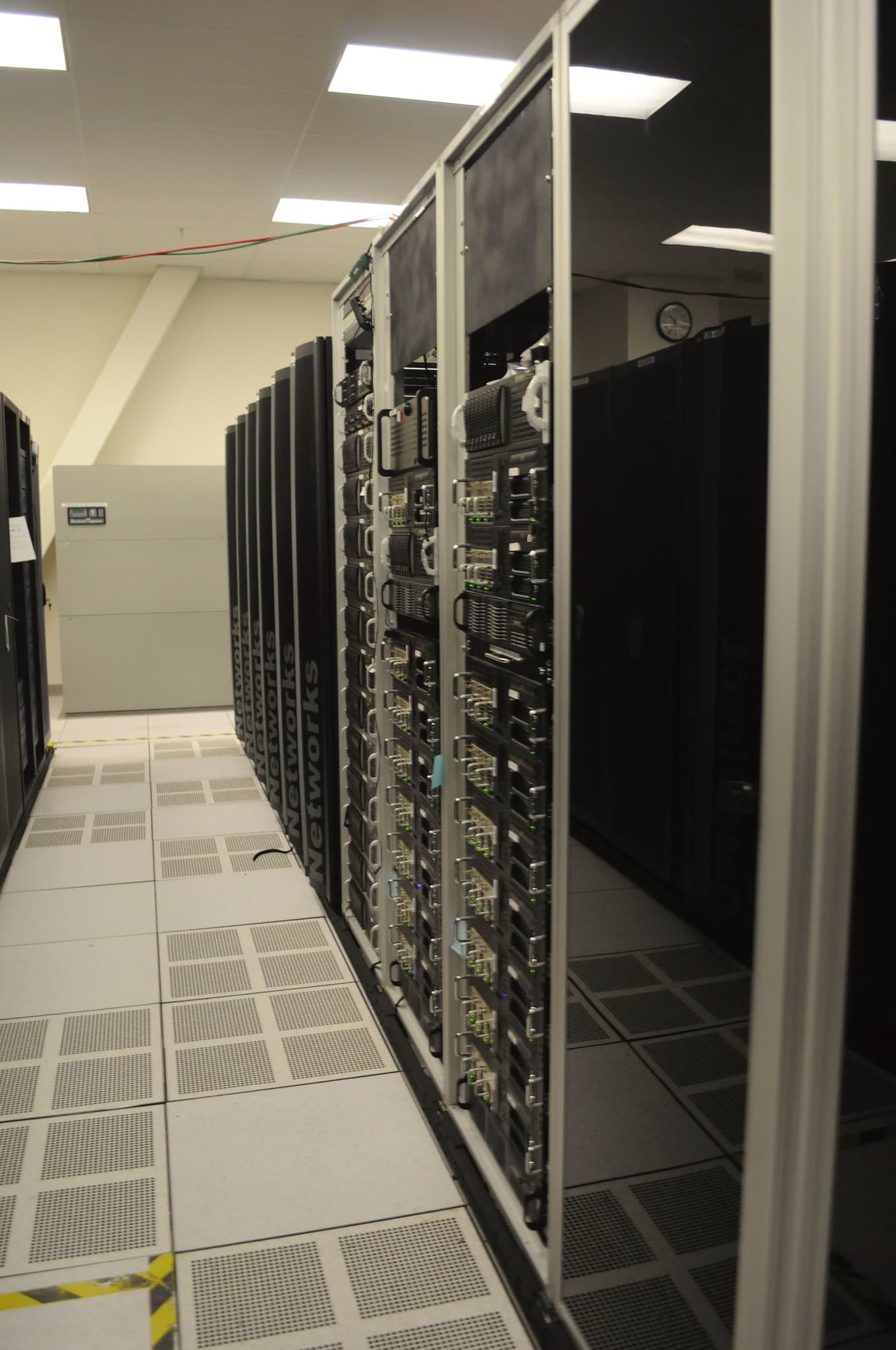
Anthropic's IPO prospectus discloses gross margins of approximately 85 percent on its API services during the first nine months of the year—a figure that excludes the substantial costs of training and developing its large language models.
The margin structure exposes the economics of modern AI companies: high unit costs for compute are front-loaded into R&D, while deployed models generate strong per-dollar returns. That split matters. Anthropic can afford to cut prices to compete for market share, absorb margin compression from rising GPU costs, or both—a luxury most AI startups lack.
Increasing compute expenses remain the industry's binding constraint. GPU scarcity and energy costs continue to rise, squeezing the margins of rivals that lack Anthropic's gross-margin cushion. For Anthropic, the 85 percent figure is a reminder that once a model ships, the unit economics of serving it are far more forgiving than the economics of building it.
The financial separation between service delivery and foundational model development is the key insight investors should track. API margins stay fat. Model training burns cash. The question is whether Anthropic's pricing power—its ability to charge for Claude access—will hold as competition intensifies and compute becomes chea.