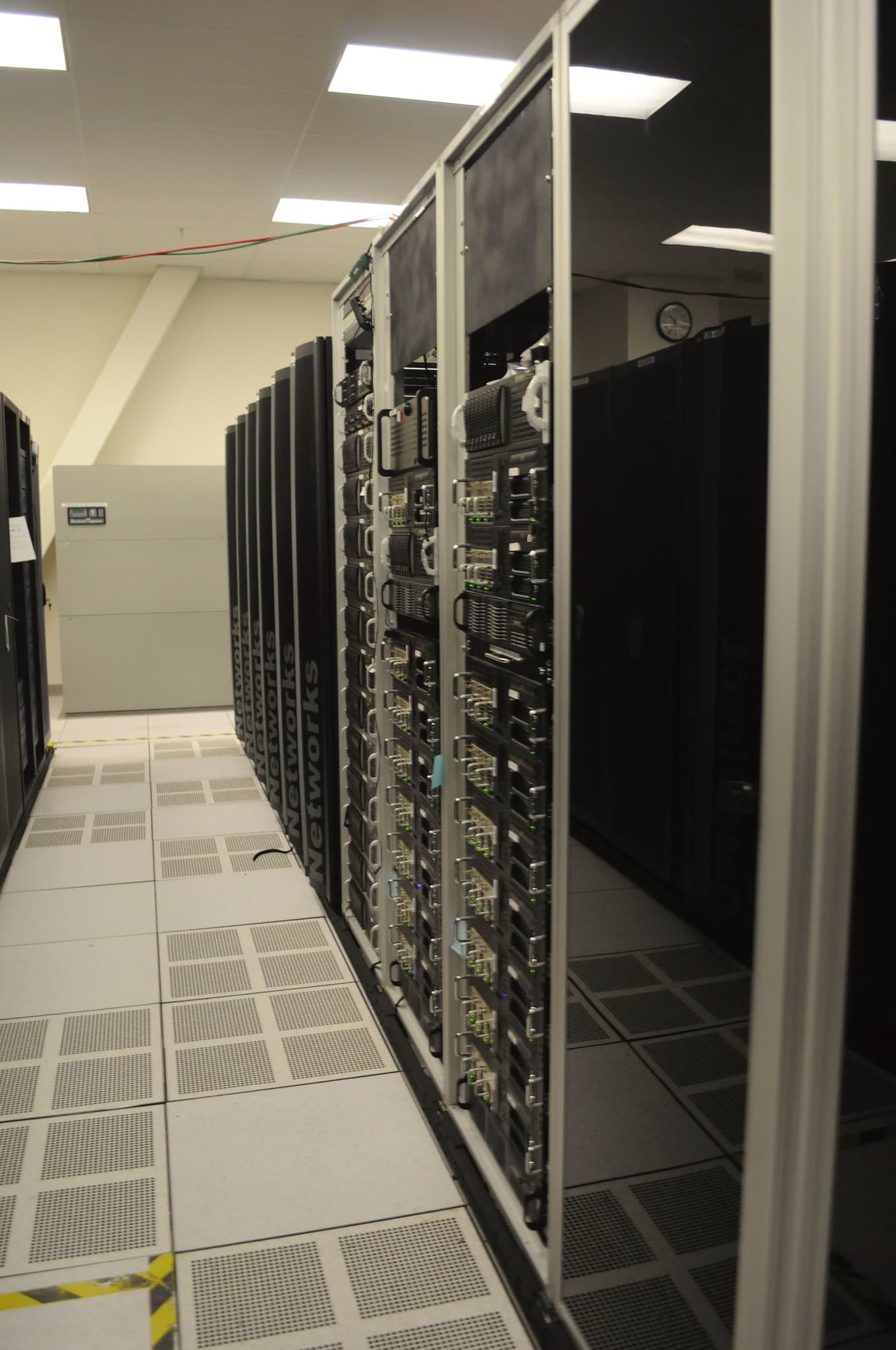
Alphabet, Meta, Microsoft, Amazon and Oracle have collectively committed more than $3 trillion to artificial intelligence infrastructure spending over the coming years. Alphabet is dedicating $1 trillion to the effort, with Meta planning $800 billion—sums that represent substantial portions of their future capital expenditure.
Both companies are channeling money toward GPU procurement, data center expansion and AI research. The scale of commitment underscores a brutal economic reality: training and deploying frontier large language models requires sustained access to cutting-edge silicon. That capital intensity creates a durable moat for companies that can afford it and an enormous tailwind for GPU suppliers—predominantly Nvidia.
But the math remains unresolved. These spending pledges will reveal each company's capital discipline. Alphabet and Meta are betting they can monetize AI-driven products and services faster than the infrastructure depreciates. Microsoft and Amazon can cross-subsidize internal buildout with cloud service margins; Oracle, newer to cloud AI, is attempting to compete on scale and undercut the hyperscalers on pricing.
The real test: whether this capital produces returns that justify the multiples these companies trade at. Investors are pricing in success. Any signal of inefficient deployment—infrastructure sitting idle, weak AI product adoption, margin compression from competitive pressure—will matter significantly.


