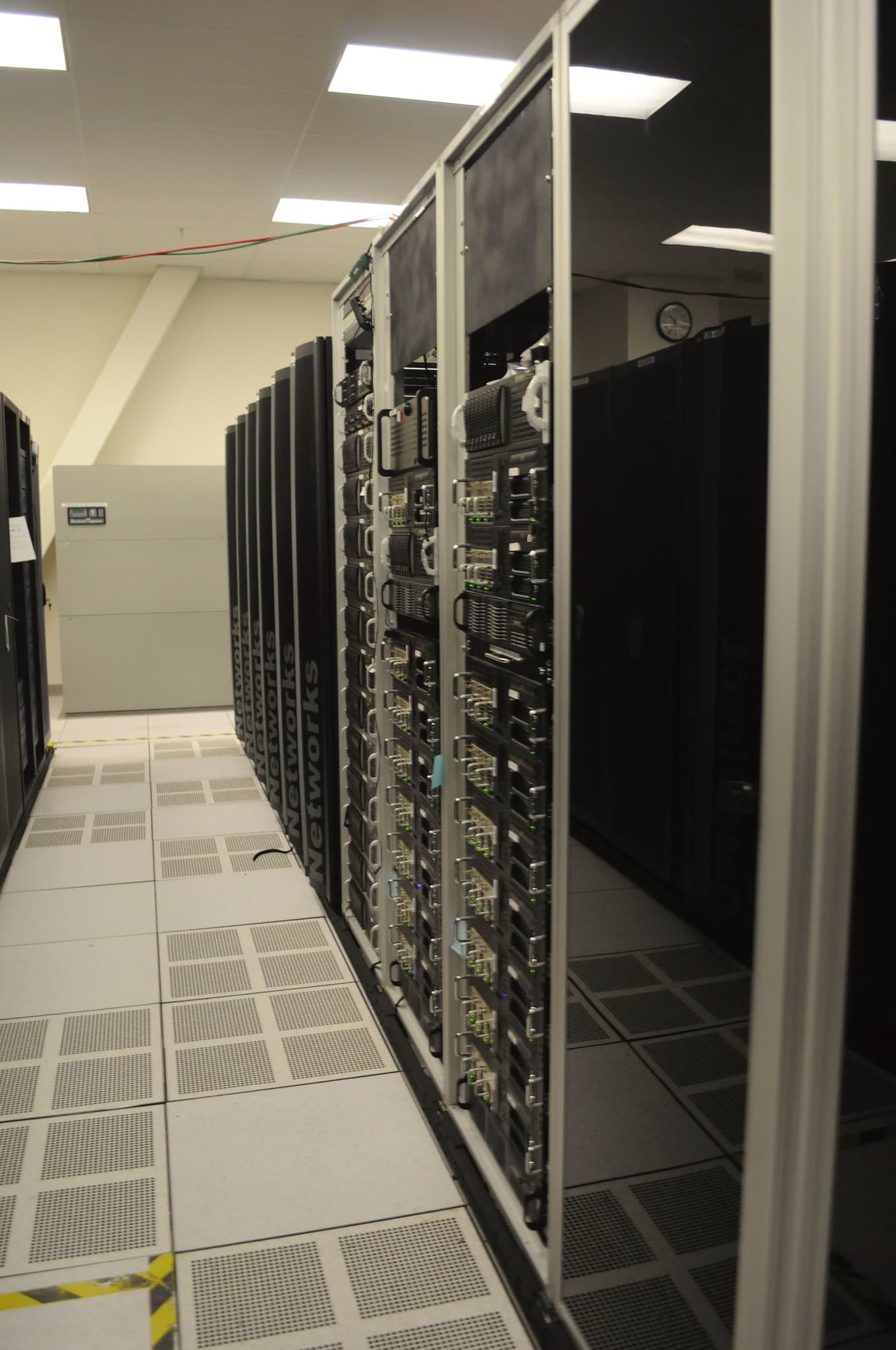
AI compute provider CoreWeave's bonds entered distressed territory last week, with investors demanding 1,000 basis points more in yield than government bonds. The company's shares dropped over 20 percent since last Tuesday's close.
The selloff was triggered partly by Chamath Palihapitiya, a SPAC investor, publicly questioning whether the broad AI infrastructure buildout represents a private credit bubble. The comment ricocheted across the market, pressuring other AI infrastructure companies.
CoreWeave's distress is rooted in a fundamental problem: the company is unprofitable. Its core business—selling GPU compute—lost more than one billion dollars in the first half of the year. Yet CoreWeave carries more than $35 billion in debt as of its second-quarter earnings, much of it secured by GPUs as collateral.
Brannin McBee, CoreWeave's cofounder, told the Financial Times last week that the company aims to achieve investment-grade debt status to access "unlimited" capital from insurers. The comments, made on the day of Palihapitiya's post, deepened investor concern that CoreWeave intends to borrow even more despite already carrying massive debt.
John Yovanovic, co-head of leveraged finance at MetLife Investment Management, identified the core issue: not a sudden deterioration in credit profiles, but "another year and a half of supply coming" into the debt market. That flood of new borrowing will likely push up rates across the sector.
CoreWeave's predicament signals a broader vulnerability. The distressed pricing now extends to "neoclouds"—specialized cloud providers built around AI compute—suggesting the entire sector faces margin pressure and capital availability risks if borrowing costs rise further.