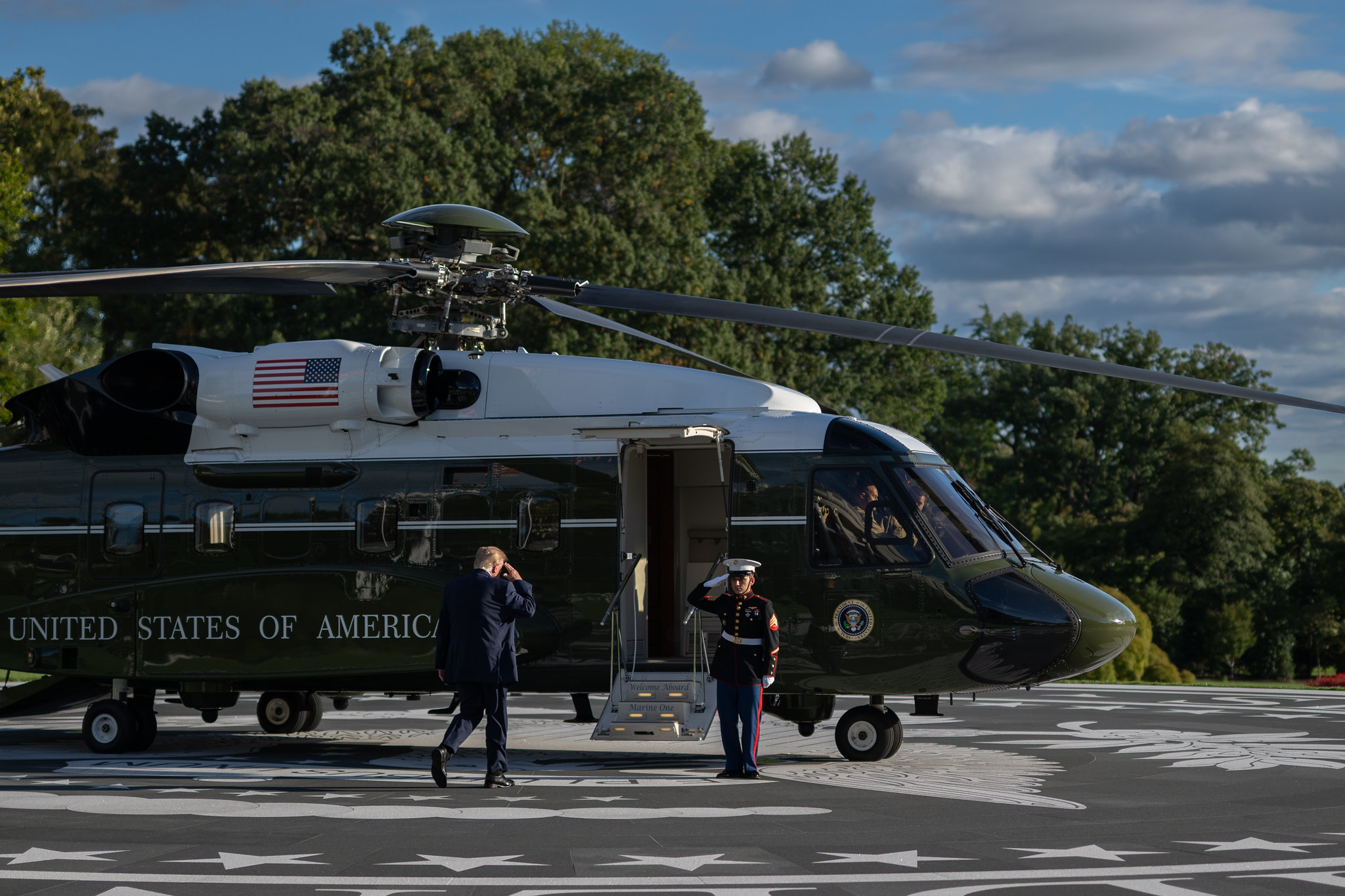
President Donald Trump moved to ease economic pressure on Russia by temporarily lifting restrictions on Russian diesel, seeking to draw Vladimir Putin closer to a peace agreement.
The administration argues that allowing Russian diesel back into global markets could help reduce prices for American consumers and demonstrate the economic advantages Russia could gain through improved relations with the United States.
Trump defended the move Tuesday, telling reporters the Russian fuel would be released into the world market because global prices remain high.
The decision has generated bipartisan opposition on Capitol Hill. Six Republican senators and five House Republicans signed letters this week urging Trump to reverse the action, with House Republicans seeking to revoke the Treasury authorization that enables the eased restrictions.
Congress faces an Oct. 18, 2026, deadline to implement a new sanctions law against Russia that lawmakers overwhelmingly approved to increase economic pressure on Moscow.
Russia has shown few public signs of concessions in response to the U.S. move. Energy analysts have questioned whether the volumes of Russian diesel involved would significantly affect global prices.
John Hardie, deputy director of the Russia Program at the Foundation for Defense of Democracies, said easing economic pressure on Moscow without a reciprocal energy ceasefire could encourage Putin to seek further concessions. Hardie said the diesel agreement would be more logical as part of a mutual energy truce where both Russia and Ukraine cease striking each other's energy infrastructure.
Hardie noted that Trump pressed Ukraine to halt refinery strikes but did not secure the same restraint from Putin. Russia continued striking Ukrainian energy infrastructure after Trump declared an immediate energy ceasefire Sunday.