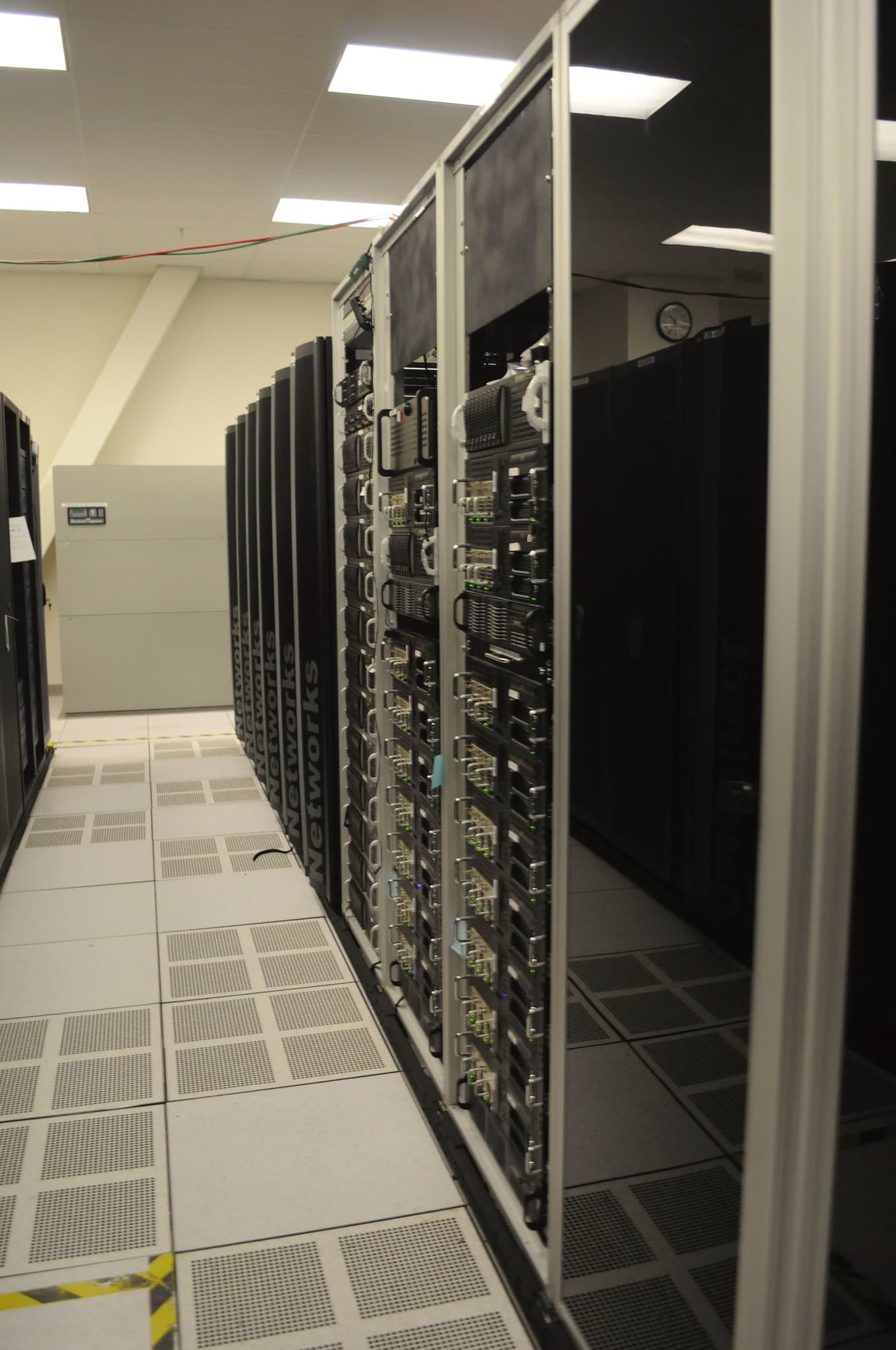
Venture capital is decisively shifting away from consumer-facing AI applications toward infrastructure plays that offer defensible moats and clear paths to profitability.
Early-stage funding is concentrating in startups building core compute capacity, custom silicon, and data processing architectures—assets that can deliver tangible cost advantages in training and inference. This represents a sharp reversal from 2024-2025, when generalist AI application startups commanded premium valuations despite shaky unit economics.
Enterprise spending reflects the same discipline. Companies are now evaluating AI deployments on specific metrics: productivity gains, cost reductions, or incremental revenue. Proof-of-concept pilots no longer justify large commitments. The question has shifted from "can we use AI" to "does this AI deployment pay for itself."
Cloud providers are capturing margin expansion from this shift. Demand for specialized AI compute—particularly high-performance GPU instances—is growing faster than traditional virtualization. This segment now represents a measurable portion of total cloud revenue for AWS, Google Cloud, and Azure.
The economics favor startups that can reduce total cost of ownership for intensive workloads. Custom silicon players and novel data-processing architectures are raising substantial capital because they attack a specific pain point: GPU scarcity and rising inference costs. Long-term compute contracts are becoming competitive moats in their own right.
Acquisition activity confirms this thesis. Larger tech firms are acquiring specialized teams in model optimization, data curation, and hardware design—not to launch new products, but to integrate cost-reducing capabilities into existing platforms. The acquirers are pricing for infrastructure IP, not user bases.
Valuations for AI companies with proven enterprise traction or infrastructure defensibility remain elevated. But capital markets are increasingly hostile to speculative plays without demonstrated unit economics. The bar for funding has risen sharply for any AI startup that cannot show a path to positive gross margin or recurring enterprise revenue.


