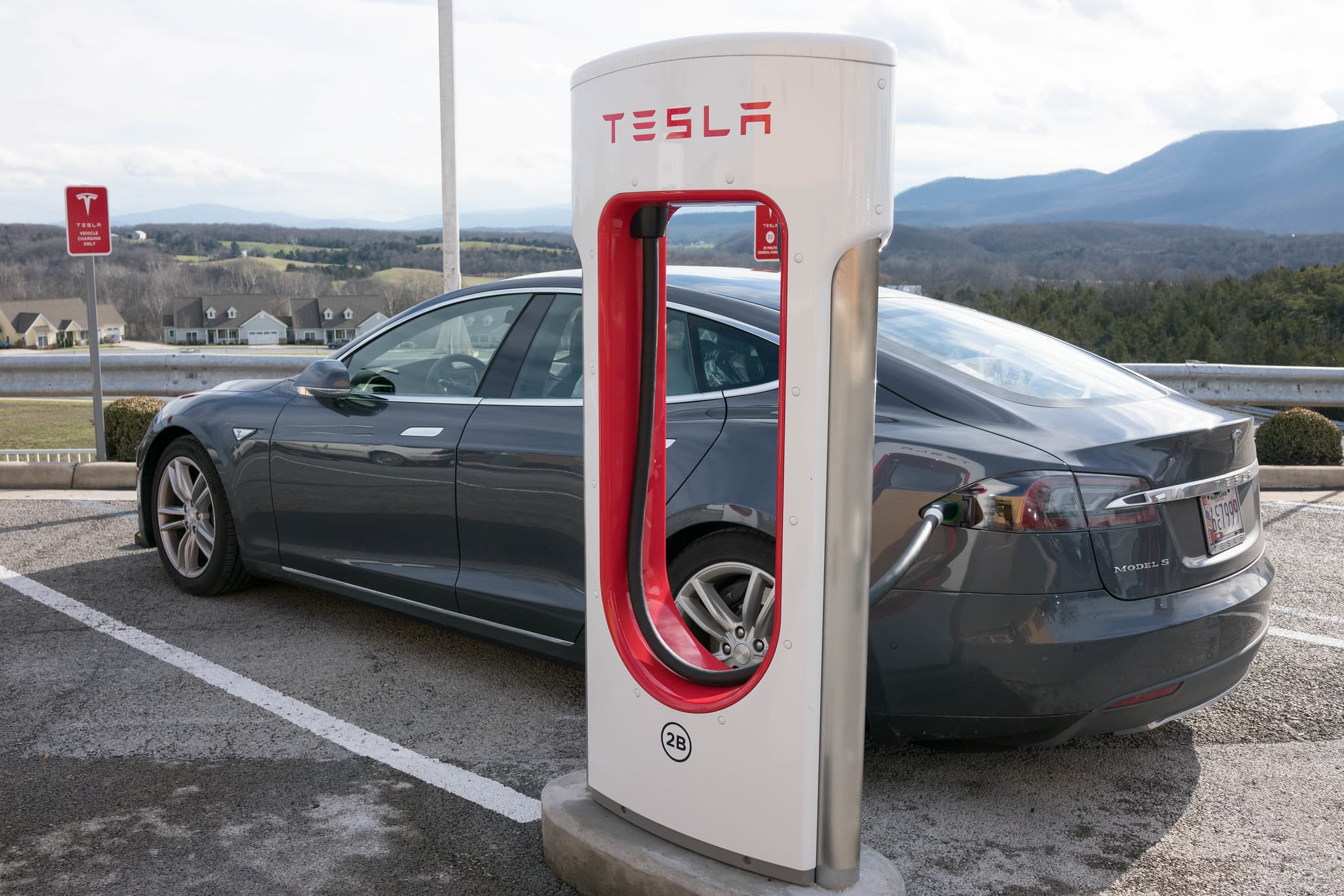
Doug Field's career reads like a map of capital reallocation in automotive. The engineering executive played a central role in the Tesla Model 3's development, spent years on Apple's Project Titan, and now leads advanced technology at Ford—a trajectory that exposes where the real competition for EV talent is happening.
At Tesla, Field served as Senior Vice President of Engineering, overseeing the Model 3's development and production ramp. That job was not theoretical. The Model 3 required Tesla to move from low-volume luxury builds to high-volume manufacturing—the jump that separates profitable EV makers from expensive startups. Field's execution there directly enabled Tesla's revenue scale.
In 2018, Field moved to Apple to work on Project Titan, the company's automotive initiative. He brought vehicle architecture and manufacturing expertise to a confidential program that Apple funded with billions. The logic was clear: Apple's software and hardware integration could reshape the car interior, but the company needed someone who understood how to actually build cars at scale.
In 2021, Field joined Ford as Chief Advanced Technology and Embedded Systems Officer, positioning the legacy automaker to compete in software-defined vehicles and digital platforms. For Ford, the hire was a bet that traditional manufacturing chops combined with modern software architecture could close the gap against Tesla and other new entrants.
Field's value lies in a specific scarcity: leaders who have shipped complex hardware-software integration across manufacturing at volume. Tesla proved the Model 3 could reach mass production. Apple needed that proof embedded in its organization. Ford needed it to survive transition. That skillset now commands premium access across the industry.


