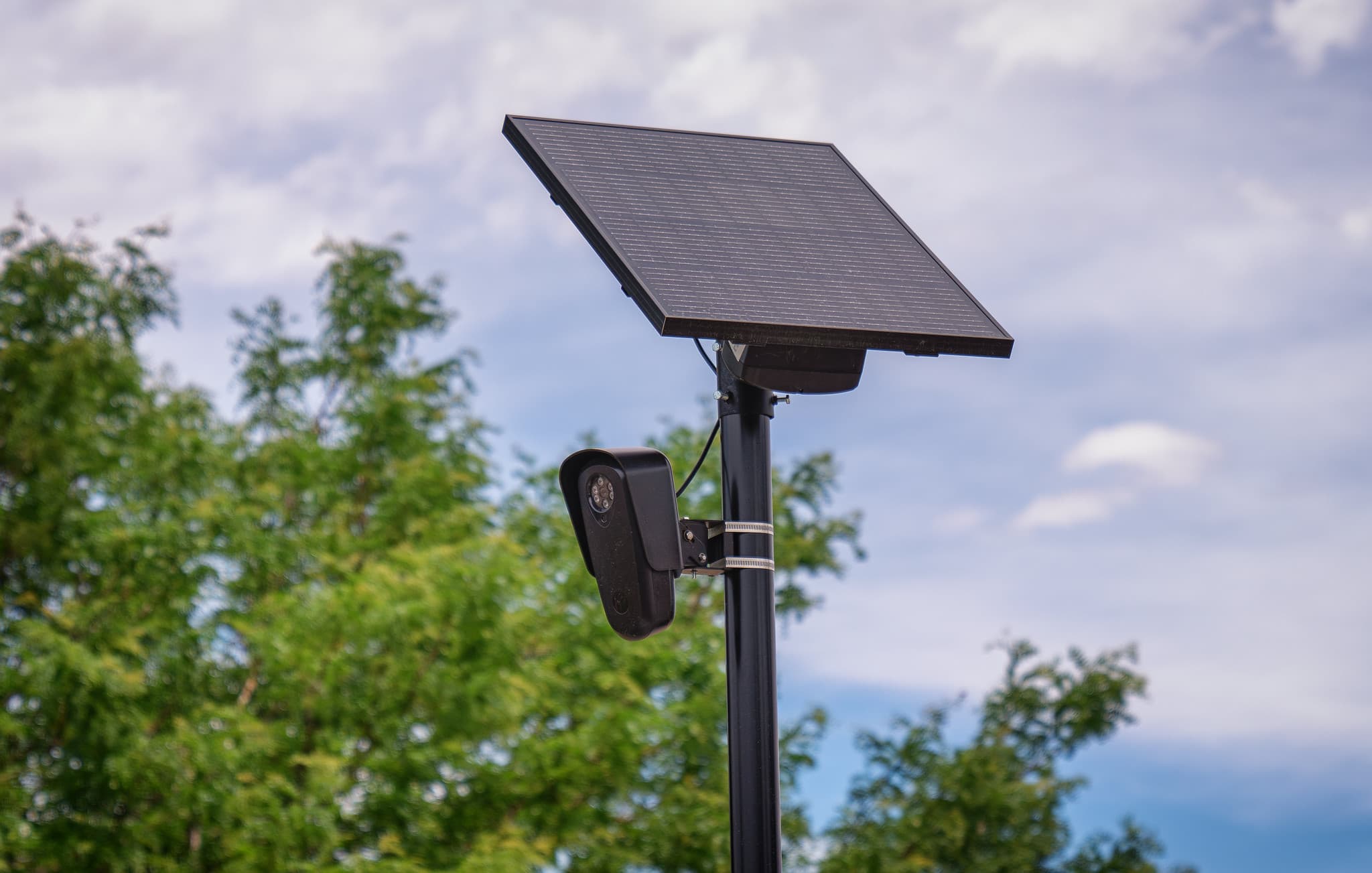
Flock is reducing its workforce by 18 percent, affecting approximately 270 employees through a voluntary separation program concluding at the end of October.
The cuts come as cities and law enforcement agencies increasingly scrutinize the company's license plate readers and people-tracking technology. Several major departments—including the Los Angeles Police Department—have allowed contracts to expire, citing privacy and civil liberties concerns.
A Flock spokesperson confirmed the program: "Flock recently offered current employees a generous Voluntary Separation Program as part of our efforts to position the company for its next phase of growth. This was a voluntary program, not a layoff, and reflects our continued focus on building a strong, sustainable business for the future."
The company has deployed more than 100,000 cameras nationwide, giving police and federal agents the ability to track vehicle movements at scale. But institutional and public opposition has accelerated. Dozens of police officers have been arrested, fired, or forced to resign for misusing Flock's system to search, track and stalk individuals without warrants. Several cities have removed Flock cameras in response to public pressure, though some have been replaced; others have been destroyed by residents.
Security vulnerabilities have compounded the reputational damage. The company has exposed cameras directly to the web, and researchers have documented instances where misidentified license plates led to improper police stops and arrests—including one involving a journalist. These failures raise questions about both the accuracy of Flock's technology and the company's security posture as it scales a business model centered on tracking.


