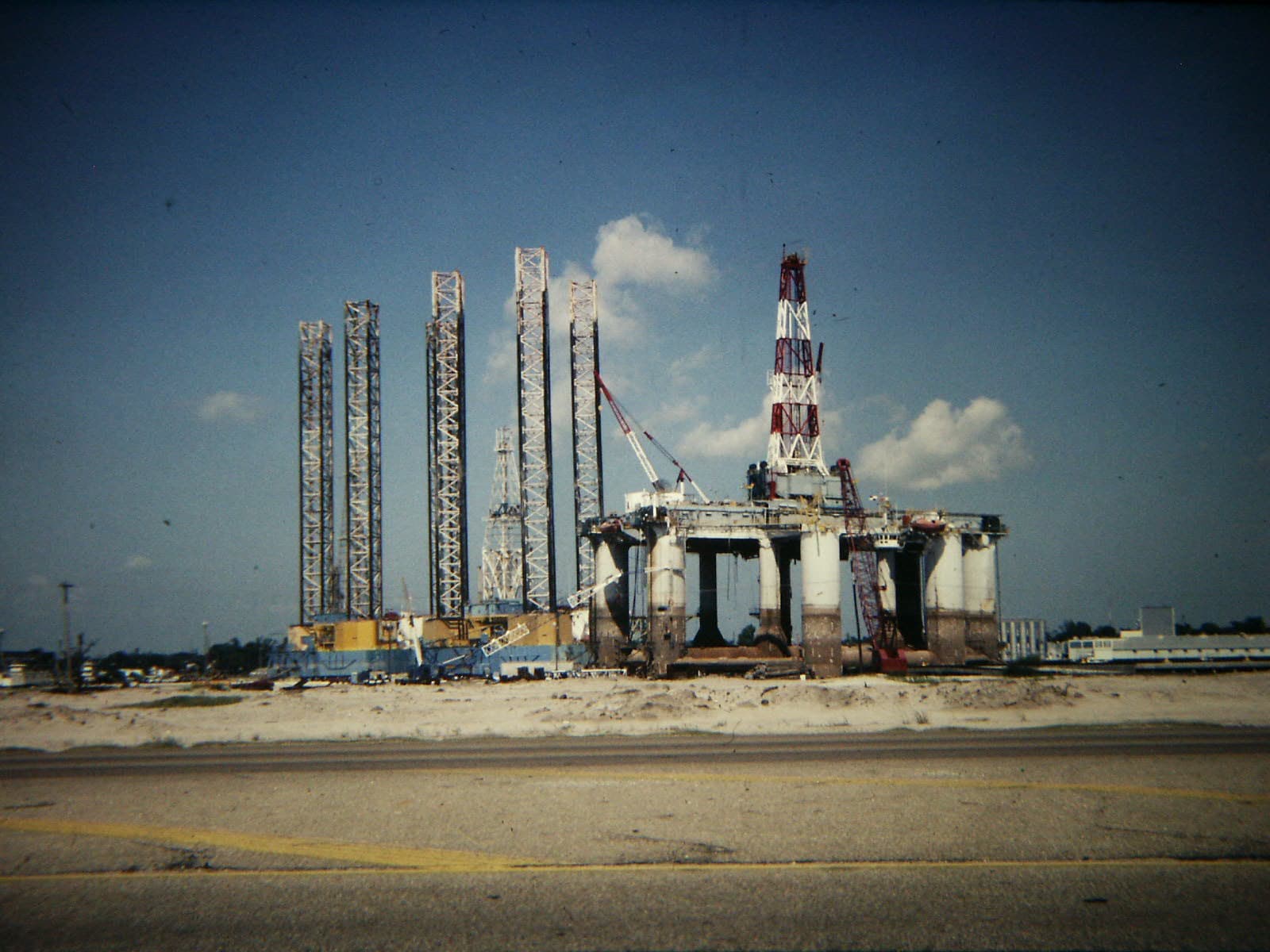
Global crude benchmarks surged today on dual supply threats—a major Gulf of Mexico hurricane shutting 300,000 barrels per day of U.S. production and escalating geopolitical tensions disrupting a key oil-producing region. The sell-off in fixed income was swift: the two-year Treasury yield jumped several basis points as traders repriced Fed policy, with economists projecting the disruption adds 0.2 to 0.3 percentage points to the next headline CPI reading.
Longer-duration bonds took the hit hardest. Investors demanded higher compensation for holding debt in an inflationary environment, collapsing the yield curve. The flattening reflects market anxiety about growth prospects under tighter monetary conditions and the persistence of cost-push inflation that the Fed thought it had begun to tame.
Higher energy costs ripple directly into household budgets through gasoline and transportation, both heavyweight components of CPI. For corporations, the input cost shock squeezes margins in energy-intensive sectors—and companies face a choice: absorb the cost or pass it to consumers and risk demand destruction. Either path clouds the growth outlook.
The market now awaits the November 12 CPI report as the critical test of whether this supply shock translates into sustained inflation or proves transitory. Fed forward guidance hangs on that number.


