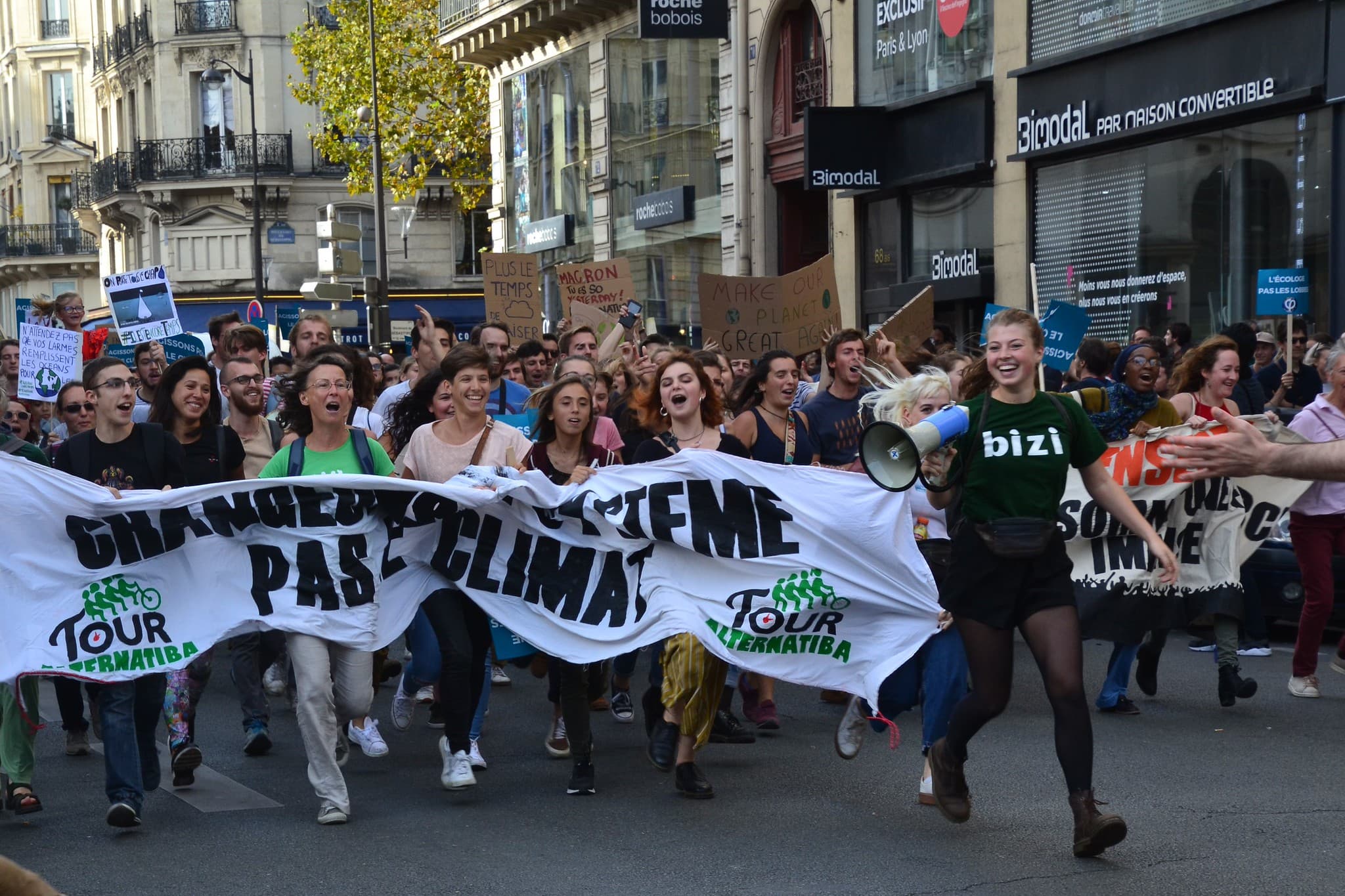
PARIS — France experienced widespread demonstrations Tuesday, as an estimated 200,000 people marched across the country. The protests, which began with school-related grievances, have expanded into broader criticisms of government policy and economic prospects for young people.
Interior Minister Laurent Nunez said 56,000 individuals participated in the Paris protest alone. The demonstrations, which started Sept. 17 in Créteil, have since spread to more than 40 French cities.
The initial wave focused on overcrowded and underfunded schools, including understaffing, deteriorating buildings and an opaque university admissions system. High school students, labor activists, teachers, parents and university students joined the movement.
While organized demonstrations in Paris, Marseille, Nantes and Toulouse remained largely peaceful by midafternoon, clashes in Strasbourg, Lyon and Rennes turned violent. Police fired tear gas, and protesters set fires and threw projectiles.
Masked adults infiltrated some school protests, attacking teachers and school employees and setting buildings ablaze. Authorities launched 10 police misconduct probes following 6,000 arrests since the protests began. Police reported 715 officers injured.
Nunez described recent clashes as "urban violence" during an interview with France Inter radio. He defended the police response as "proportionate" in the vast majority of cases, though he called a teenager losing his hand to a stun grenade in Lens a "tragedy."
Elisha, an 18-year-old student at Pantheon-Sorbonne University, said her generation felt abandoned. "We are neglected. We are abandoned," she said. "We are a generation facing war, conflict and precariousness, with no safety net to fall back on."
Students criticized politicians who benefited from post-World War II economic prosperity, including affordable housing and easy labor market access. Elisha pointed to cuts in housing benefits, set to be frozen, and removal of scholarships. "Young people no longer have access to anything," she said. "It's a disaster."
Juliette, 17, criticized a political class preoccupied with France's international reputation over the future of its youth. "No one else is doing anything, so we're stepping up and taking action because things need to change," she said.
Her friend Mai-Lan said "young people are inheriting an indebted France," referencing the country's debt crisis. Both girls attend Lycée Victor Hugo high school in Paris's third arrondissement, but Mai-Lan emphasized their presence was also to "defend students from less privileged areas in the suburbs."
Signs carried by demonstrators reflected their anger. Messages included "Hitting the young amounts to insulting the future" and "More hours in class than for sleep."