Gold retreated as the U.S. dollar index climbed to 105.3—its highest level since November—while Treasury yields rose across the curve, raising the opportunity cost of holding non-yielding assets.
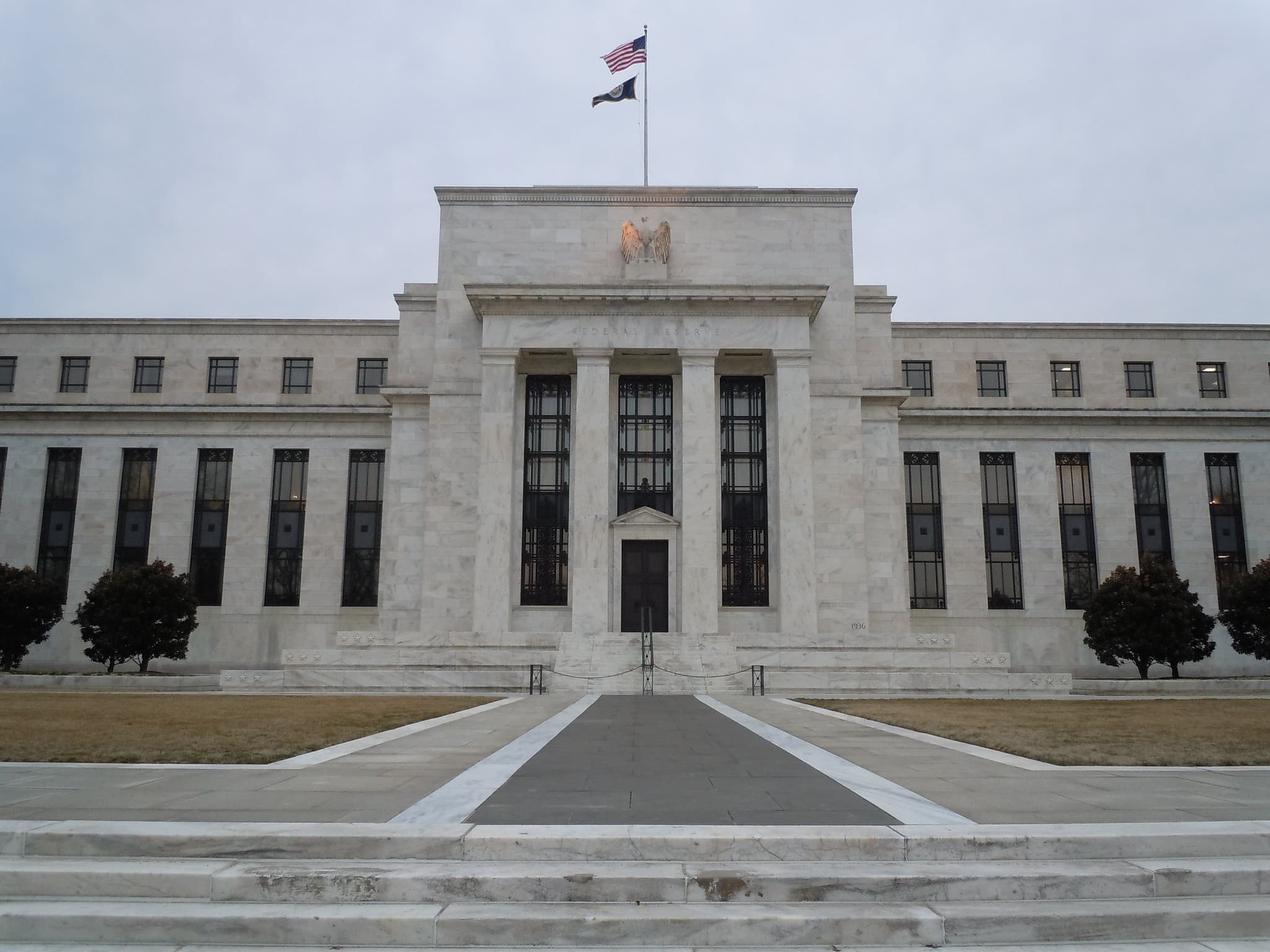
A stronger dollar makes gold more expensive for foreign buyers and dampens international demand. The move is rooted in persistent inflation concerns and the Federal Reserve's hawkish stance. The two-year yield showed particular sensitivity to rate expectations as bond market participants priced in reduced probability of aggressive cuts in the near term.
Real yields are climbing. The current yield curve inversion, while less pronounced than earlier in the year, signals market unease about growth under tighter financial conditions. This dynamic typically pressures gold, which generates no coupon or yield.
Persistent inflation data in core services and wages continues to support the Fed's cautious approach to easing. Institutional investors are monitoring central bank communications for any pivot signals, but sticky inflation suggests none is imminent.


