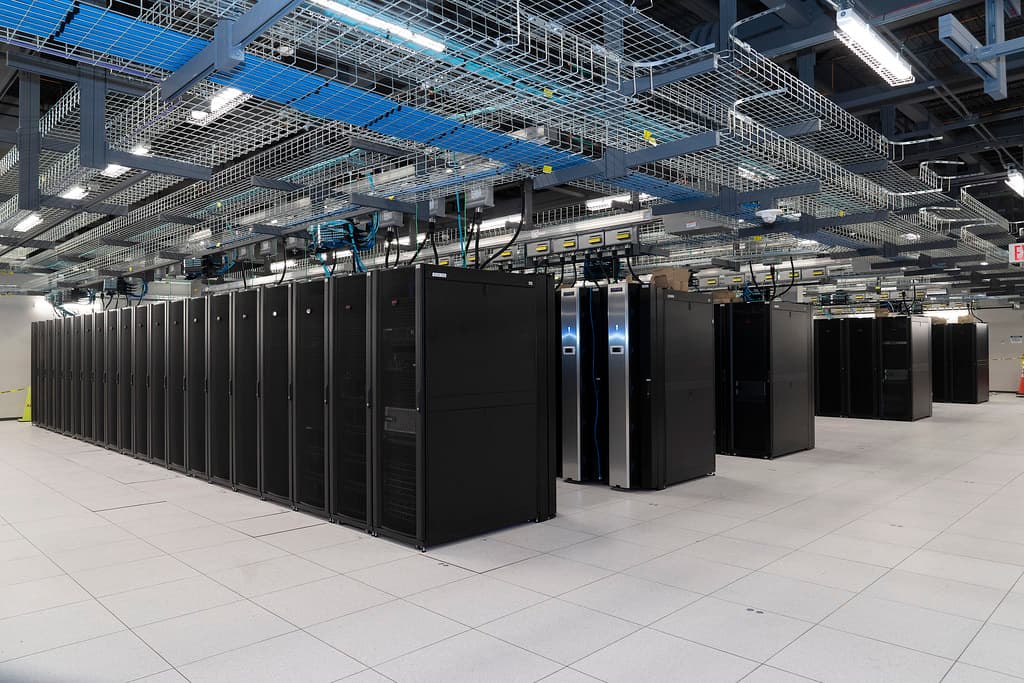
The global expansion of AI data centers is colliding with local resistance that is now measurable in billions. Europe has shelved or delayed approximately $42 billion in data center investments, while the U.S. has seen $77 billion in projects impacted by similar pushback.
The opposition is sharpest in Europe, where densely populated countries and elevated electricity prices compound local concerns. More than 70 data center projects were rejected or restricted between January and April alone—exceeding the total rejections for all of 2025, according to the European Data Center Monitor.
Local objections center on four core issues: water usage, power consumption, strain on electricity grids and electrical prices, and the massive land footprint required. Communities also cite the lack of clarity around permanent job creation and no established methodology for calculating economic value per megawatt of capacity.
Scotland has paused planning approvals for new hyperscale data centers. Ireland, which faced overwhelming power demand, implemented a moratorium on new construction. In the Nordics—historically attractive to investors for abundant land and renewable energy—the landscape has shifted. Denmark passed emergency legislation that deprioritizes data centers in grid power allocation, following a surge in applications.
Spain introduced new rules requiring data center operators to source 80 percent of electricity from renewable sources. U.K. projects have stalled due to local opposition.
The friction extends beyond Europe. South Korea, a critical node in the AI supply chain and home to Samsung Electronics and SK Hynix, is experiencing similar tensions. The national government signaled support for AI data center acceleration in June as a strategic investment priority, but local opposition is mounting alongside proposals for stricter restrictions near residential zones.
Olivier Darmouni, an associate professor at HEC Paris specializing in energy transition, said the gains of AI infrastructure are "very diffused"—concentrated among a small number of operators and distant from communities bearing the costs. He characterized hyperscale facilities as "giant ghost warehouses that consume a lot of resources and can hurt local communities in some ways."
Darmouni noted that Europe's density and the dominance of U.S. operators in European projects may intensify backlash. The dynamic creates a capital allocation puzzle: developers must now factor in social license as a constraint alongside traditional cost and return metrics. Where that constraint becomes binding, projects simply move or stall.