Open-source decision models replicating TypeSafe's Jev system run locally, challenging the hosted API model. These alternatives allow enterprises to manage decision logic on their own infrastructure, shifting compute spending from subscription fees to in-house hardware and calibration efforts.
TypeSafe's Jev model operates exclusively as a closed, hosted API, without public weights or an offline build option. Its monetization strategy relies on customers accessing the system via its API. TypeSafe also open-sources Python and JavaScript SDKs, an agent skill and an adapter for OpenAI or Anthropic models.
An ecosystem of open, Jev-like decision models has emerged, offering the same primitives: a typed choice, an ordered score and a calibrated yes/no (noul). These community projects include Laya, OpenJev and NanoJev, providing alternatives to TypeSafe's closed architecture.
Laya-MLX represents the lightest option for local deployment, particularly on Apple Silicon. This 420-million-parameter model loads in-process, delivering short typed decisions in approximately seven to 14 milliseconds, according to community reports. It requires no dedicated GPU or server, integrating directly from Python with a single-line install and automatic model download on first run.
For those requiring a network endpoint, OpenJev offers the closest equivalent to a self-hosted Jev server. It provides a Jev-compatible API via a Docker command that integrates vLLM, accessible on 127.0.0.1:8080. This setup requires an NVIDIA GPU equipped with at least 24 GB of VRAM to process state and typed questions and return calibrated answers.
Other cross-platform options include APUS-OpenJev GGUF builds, available in 4B or 9B (Q8_0) parameter sizes. These run in environments like Ollama or LM Studio on macOS (Metal), Windows and Linux. NanoJev, a 0.6B MIT-licensed replica built on Qwen3, serves as a research model, providing its entire training pipeline and dataset for learning and prototyping.
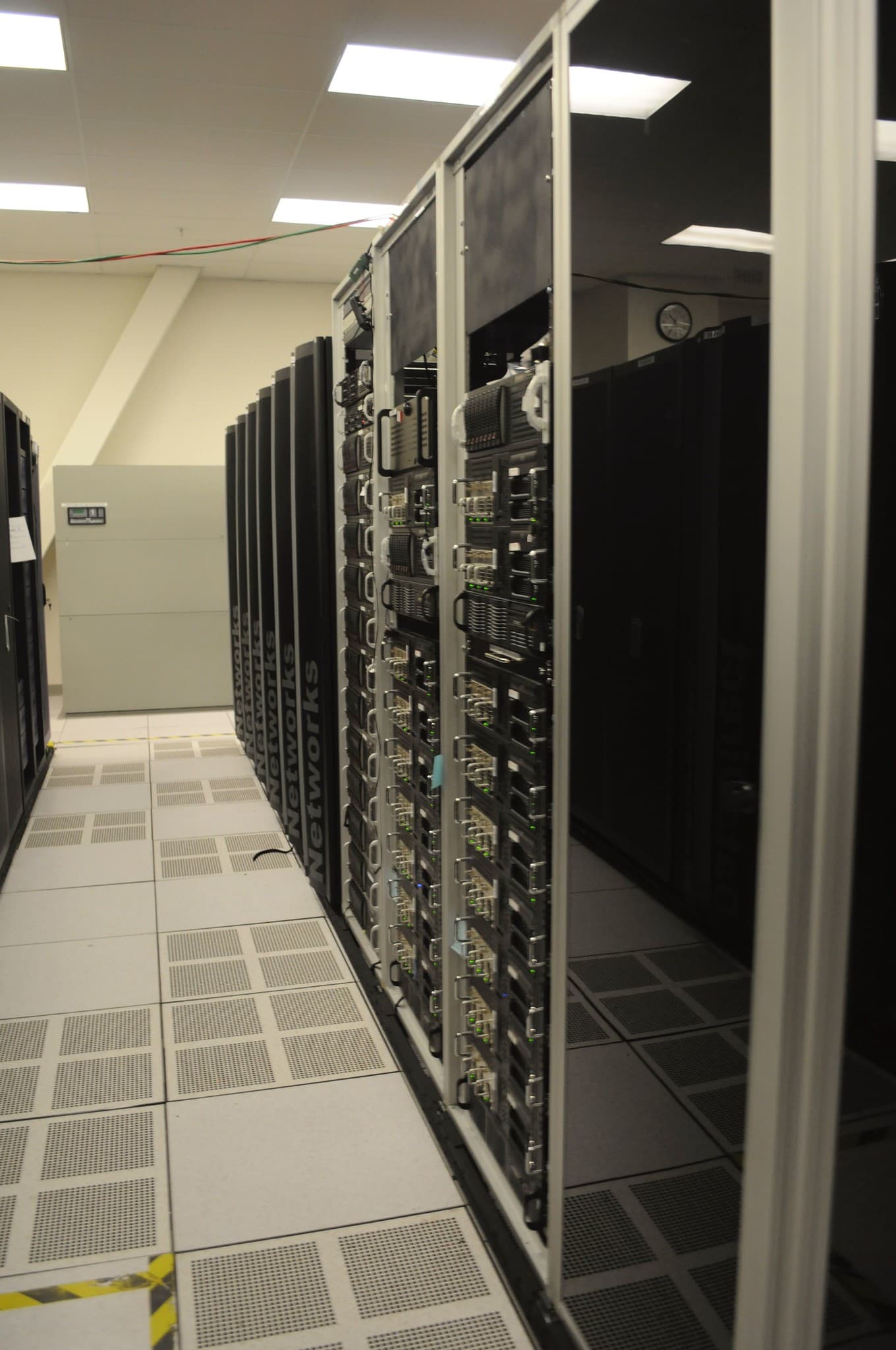
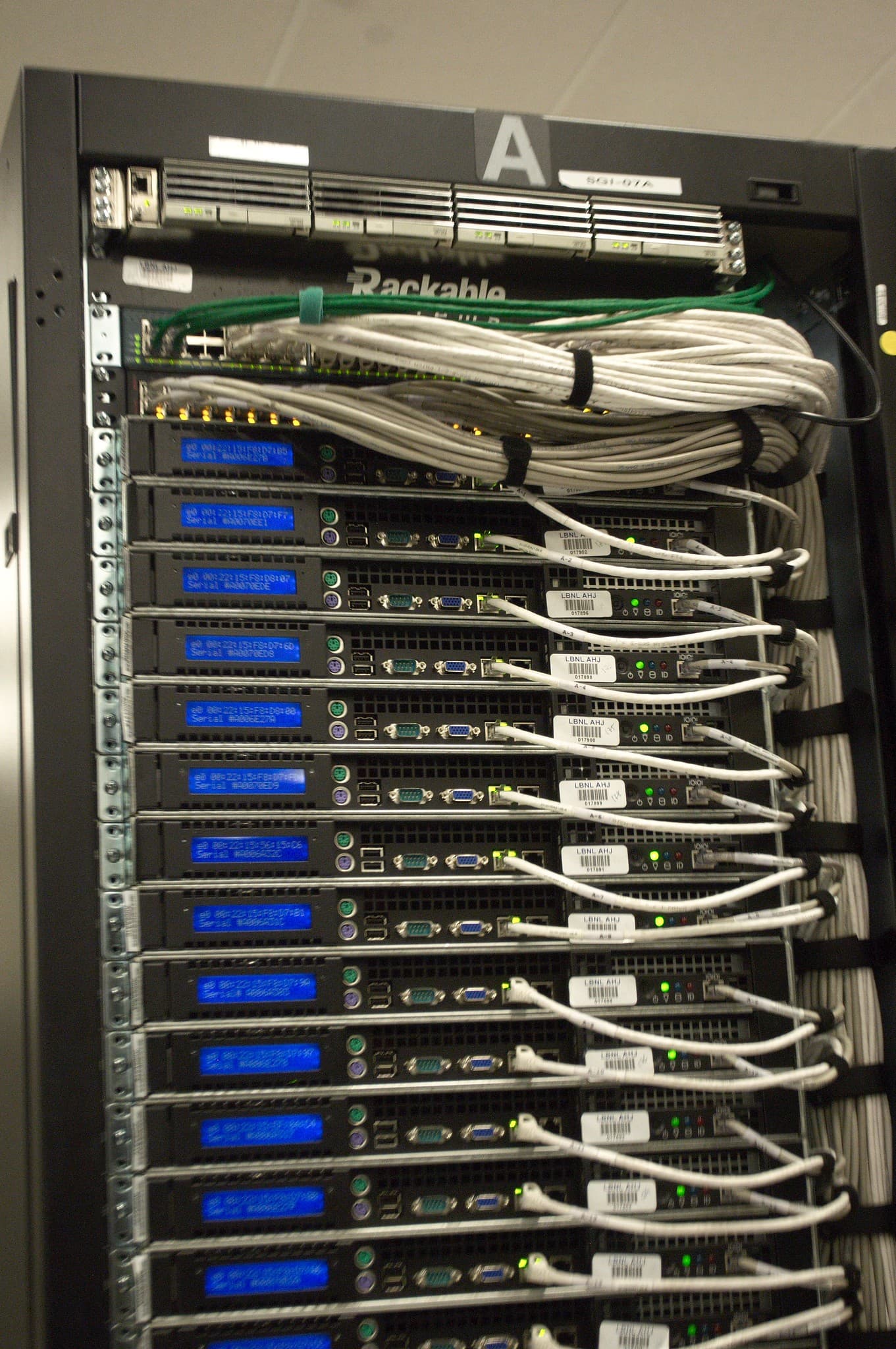
The shift to local execution affects enterprise capital allocation for AI decision systems. Companies can reduce reliance on TypeSafe's API usage fees, instead investing in the necessary NVIDIA GPUs or Apple Silicon hardware, along with internal resources for model deployment and management.
Adopting these open models transfers responsibility for calibration and quality control to the user. Some third-party checkpoints, such as specific MLX builds, ship with uncalibrated confidence, necessitating validation on proprietary labeled data before production deployment. This contrasts with a hosted service where the vendor typically handles such assurances.
This development introduces competition to the decision model market. TypeSafe's business model relies on its proprietary, hosted solution. The availability of robust, open-source alternatives could pressure TypeSafe's market share and revenue streams by offering enterprises greater control over their data, compute costs and model customization.