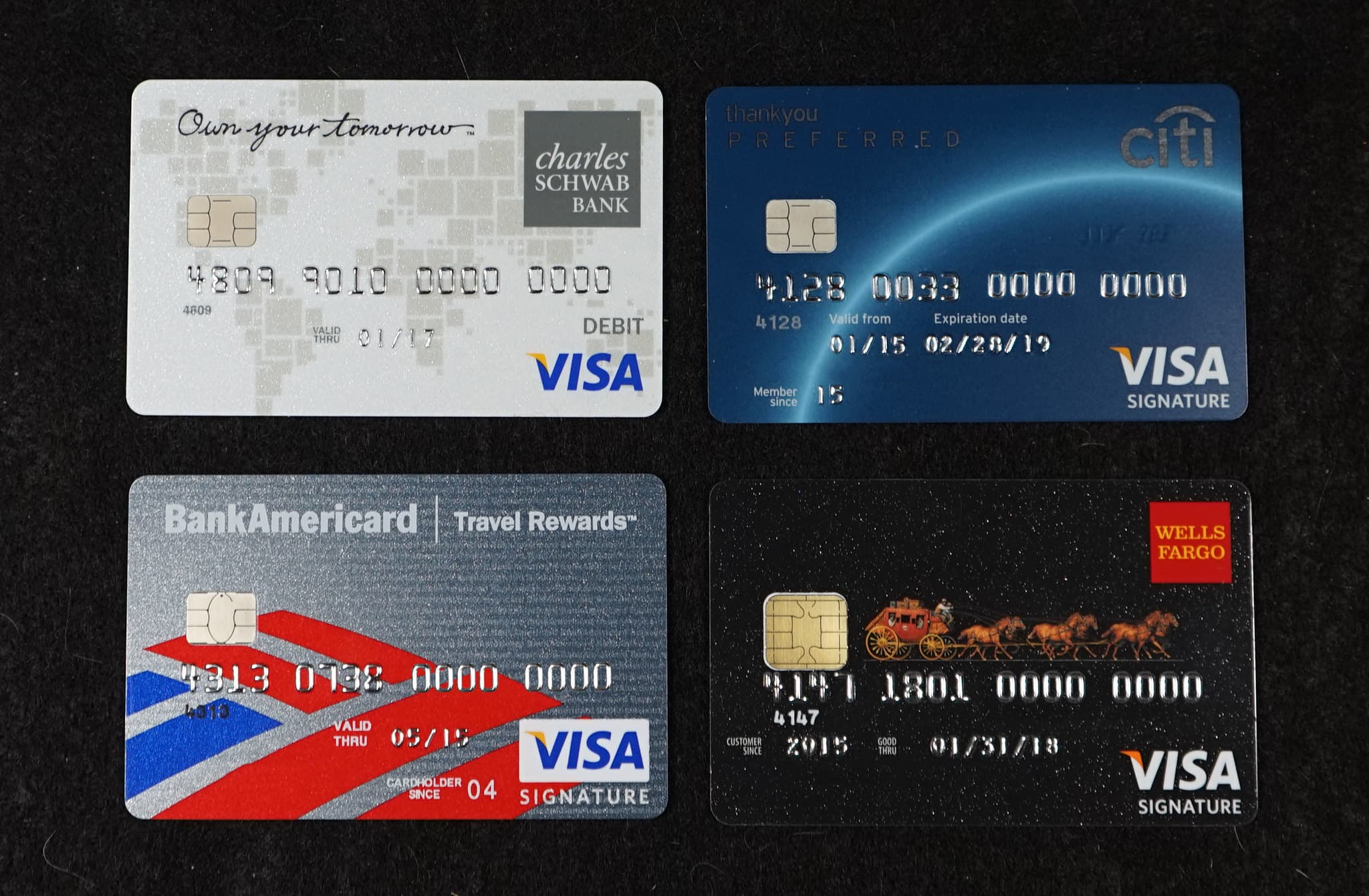
Credit card skimming and physical mail fraud schemes extract over $1 billion from U.S. victims annually, even as artificial intelligence accelerates more sophisticated digital attacks. US Attorney Phillip W. Williams Jr. reported the figure, which encompasses various forms of card fraud.
Criminals recently deployed mail-based scams across Europe, specifically targeting Portugal, France and Germany. The schemes involve mailing counterfeit replacement cards or letters claiming a current card is nearing expiration. Recipients are instructed to activate the fake card by scanning a QR code or visiting a URL. Some cards feature real customer names, which builds the trust necessary for victims to comply.
Scanning the QR code or using the URL redirects victims to a fabricated banking website where they enter personal details, giving criminals direct access to their actual financial accounts. Georg Hauer, an advisor for digital banks, observed this scam type has escalated over two years. He believes its success could drive expansion into other countries.
The economics are straightforward: AI has lowered the cost of producing personalized fake cards by automating design replication from images. That cost reduction makes the scheme profitable at larger scale.
A separate front: the US Attorney's Office for the Northern District of Alabama recently indicted two Romanian nationals on charges related to credit card skimming targeting government SNAP food assistance benefits. These benefits are distributed via Electronic Benefit Transfer cards—magnetic stripe-only debit cards in most states. The FBI reported a rise in EBT card skimming since approximately 2021.
Why magnetic stripe fraud persists despite chip card security: sufficient transaction volume still flows through older infrastructure to make skimming profitable. Criminals exploit what works rather than chase newer targets that don't.


