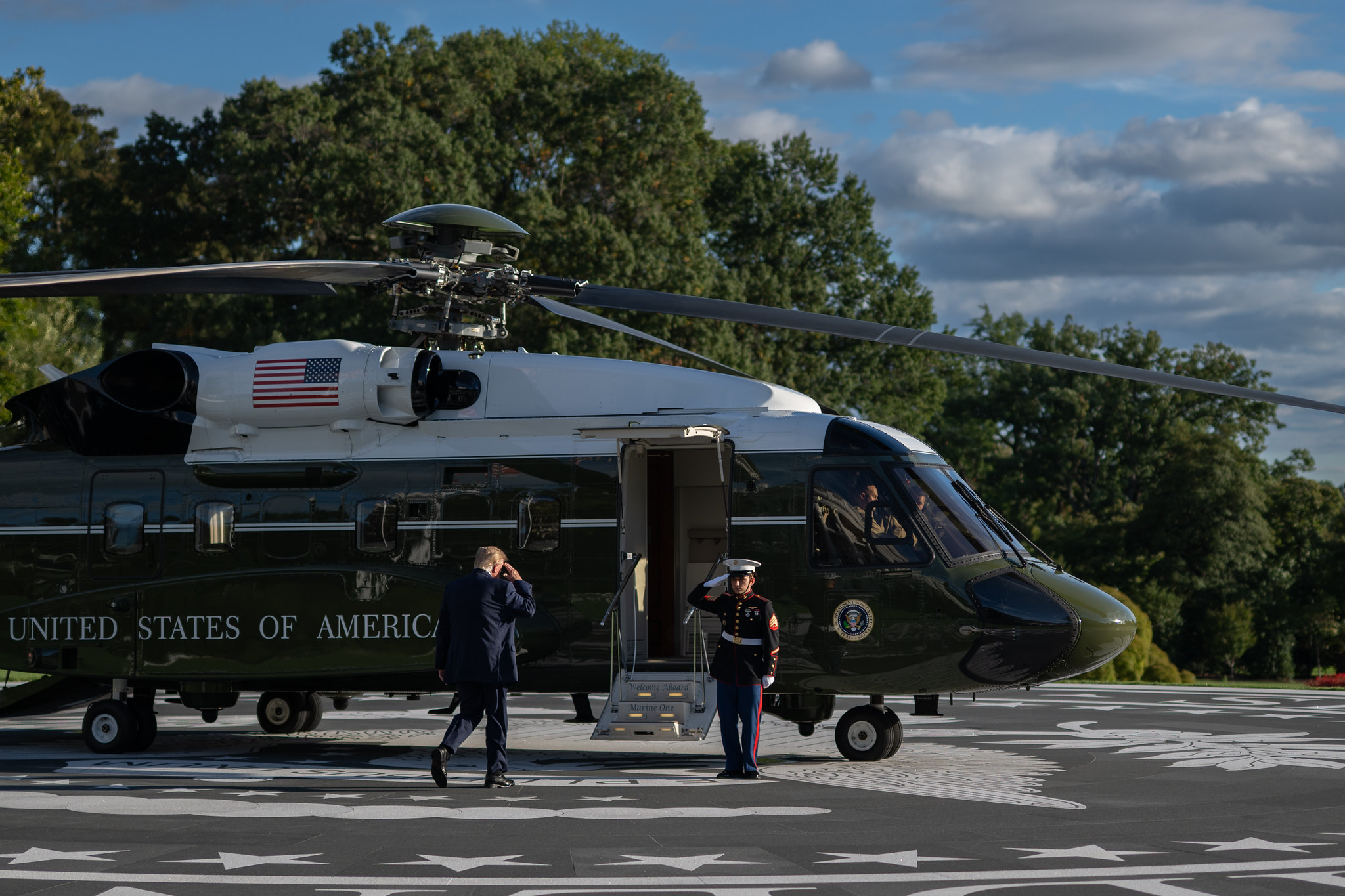
The U.S. Army is reviewing troop availability across multiple commands, signaling heightened readiness for potential Caribbean contingencies. The assessment includes personnel from the XVIII Airborne Corps at Fort Bragg and elements of U.S. Southern Command in Doral, Florida. Military officials have not publicly specified the exact nature or scope of the checks, but the timing aligns with President Trump's hardened stance against Cuba.
Trump declared during a Miami rally that the Cuban communist regime "will fail." He has reversed the Obama administration's normalization efforts, instead tightening sanctions, restricting remittances and limiting travel to Cuba—moves designed to cut off government revenue.
The strategy has backing from key Republicans in Congress. Senator Marco Rubio of Florida and Representative Mario Diaz-Balart of Florida have long pushed for stronger measures against Havana and have introduced legislation to further restrict economic engagement and boost support for opposition groups. The approach also resonates with Florida's Cuban-American voters in a state that remains key in U.S. presidential elections.
The troop assessment follows a pattern of increased U.S. military activity in the Caribbean, traditionally linked to counter-narcotics and humanitarian operations. The current review, however, appears broader, encompassing various deployment scenarios beyond routine regional exercises. Defense analysts say it could prepare the military for rapid response operations or expanded regional security cooperation. The Pentagon has declined to detail specific units involved, citing operational security.
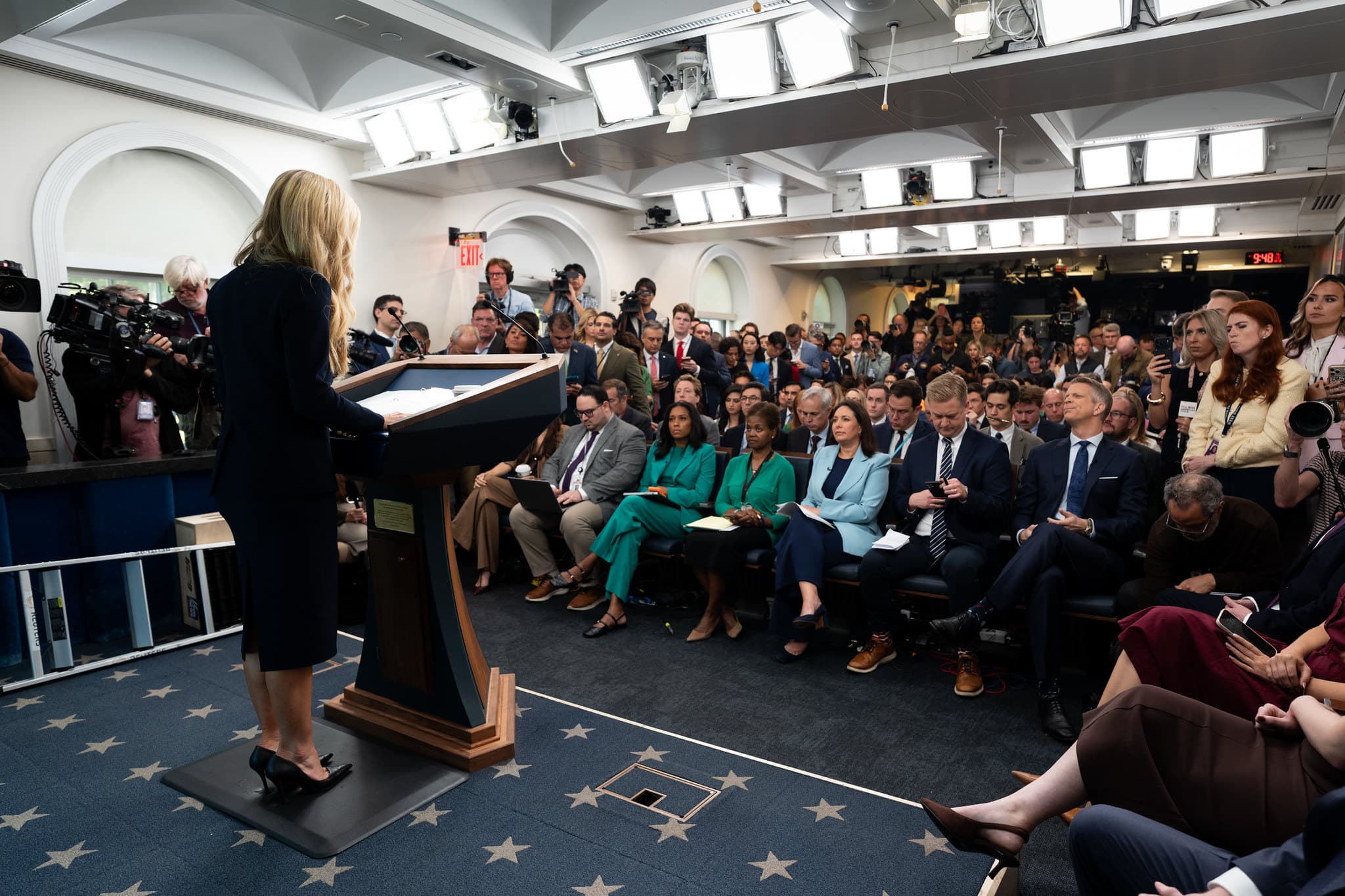
The White House plans to release a detailed Cuba policy brief next week. Defense Secretary John F. Kirby is scheduled to address reporters Friday morning at 10 a.m. EST on U.S. military posture and regional defense priorities.