MIAMI — Florida Republicans confront a sharply narrowed electoral landscape, with key statewide races for governor and U.S. Senate now polling within the margin of error, a striking reversal of the party's landslide dominance just two years ago.
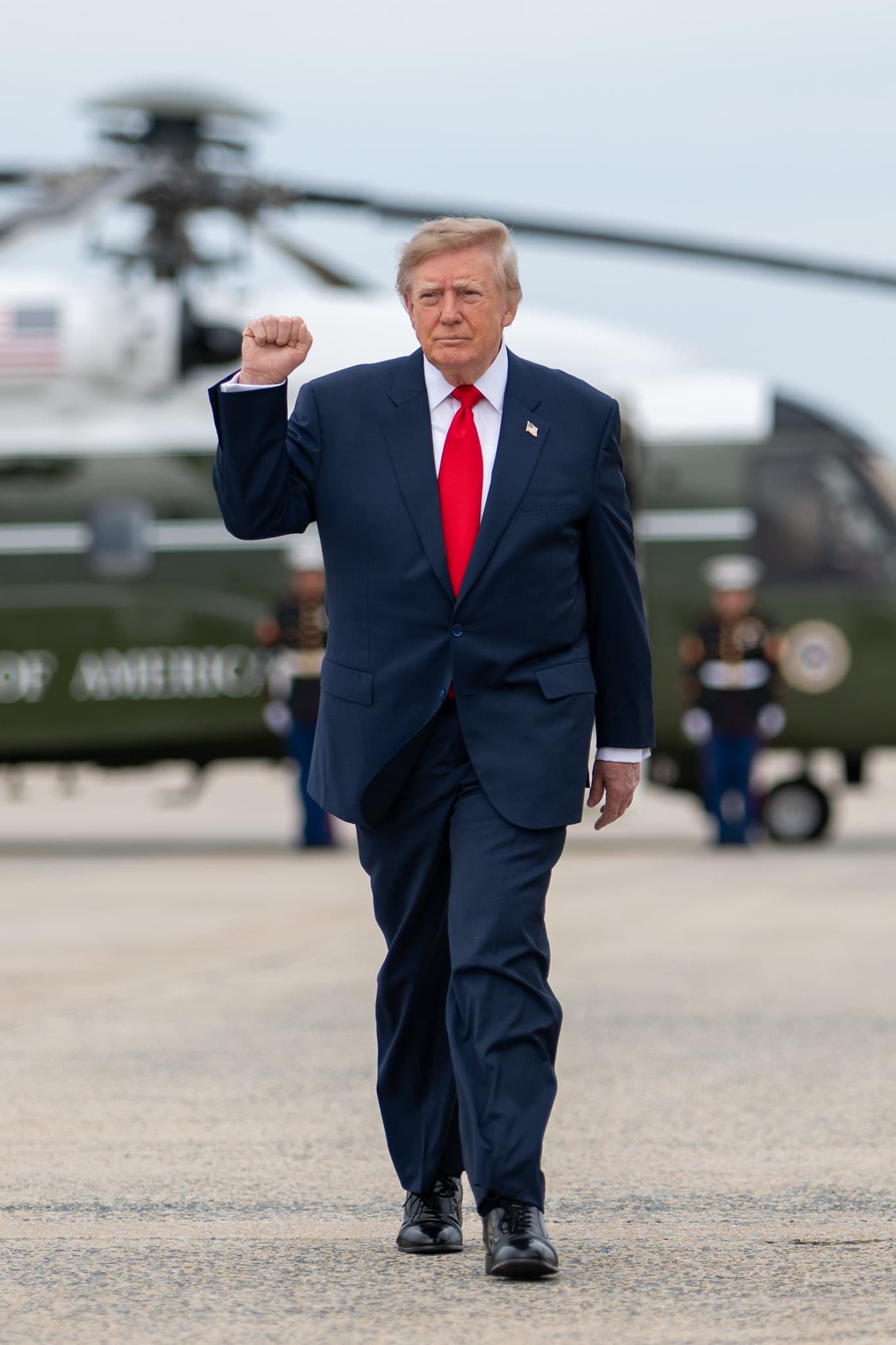
President Donald Trump's national agenda and specific policy impacts are fueling the shift, according to interviews with nearly two dozen GOP politicians, operatives and consultants. The vulnerabilities stem from Trump's military actions in Iran and resulting gas price spikes, his aggressive immigration enforcement that has alienated Hispanic voters—a bedrock of the Republican coalition—and persistent voter anxiety over housing and living costs across Florida.
The tightening extends to congressional races. Democratic-held seats Republicans once targeted as flippable after redistricting now appear safer. Some Republican candidates are quietly distancing themselves from Trump, whose approval in the state has declined.
"We have 2018 vibes," said Carlos Curbelo, a former Florida GOP House member who lost his seat in the 2018 Democratic wave. "Many of my former colleagues are bracing for the worst."
Curbelo said Republicans would hold the governor's mansion but acknowledged "the race will be more competitive than people could have anticipated just a few months ago." GOP state Sen. Don Gaetz, representing a heavily Republican northwest Florida district, was more blunt: "Anybody who is on the ballot ought to be concerned if they have a Democratic opponent."
Republicans retain substantial structural advantages. Gubernatorial candidate Byron Donalds has raised nearly $121 million—more than 10 times what his Democratic opponent, former Rep. David Jolly, has amassed. Republicans hold a 1.55 million voter registration edge over Democrats.
Yet demographic and local-issue shifts are eroding that buffer. Hispanic voters are moving left, a crack in the coalition Trump assembled in 2024. And Florida Democrats have found unexpected traction on hyperscale data centers—launching a "Data Center Donalds" campaign highlighting Donalds' reluctance to back a moratorium that both Senate candidate Angie Nixon, a Jacksonville state representative, and Jolly support.
Nixon, an insurgent progressive who joined the Democratic Socialists of America in June, poses a different challenge. Republicans are betting her policy positions alienate South Florida voters with family histories of fleeing left-wing regimes in Cuba, Venezuela and Nicaragua. But Democrats argue she energizes base voters typically skeptical of statewide campaigns.
Immigration enforcement presents another crack. Gov. Ron DeSantis's hardline tactics have drawn pushback even from conservative sheriffs, some expressing concern the policies are "hurting people." That dissent among traditional GOP allies signals potential vulnerability on an issue Republicans have long owned.
A Democratic surge in Florida would reshape national politics. House Democrats eyeing majority control would gain crucial pickup opportunities. A gubernatorial win would reorder the 2028 presidential race—Florida's 30 electoral votes loom large—and erase the decisive margins DeSantis and Trump posted in 2022 and 2024.
One anonymous GOP county chair captured the Republican anxiety: "I don't think we are dead yet. We are not on life support. But we are hemorrhaging."