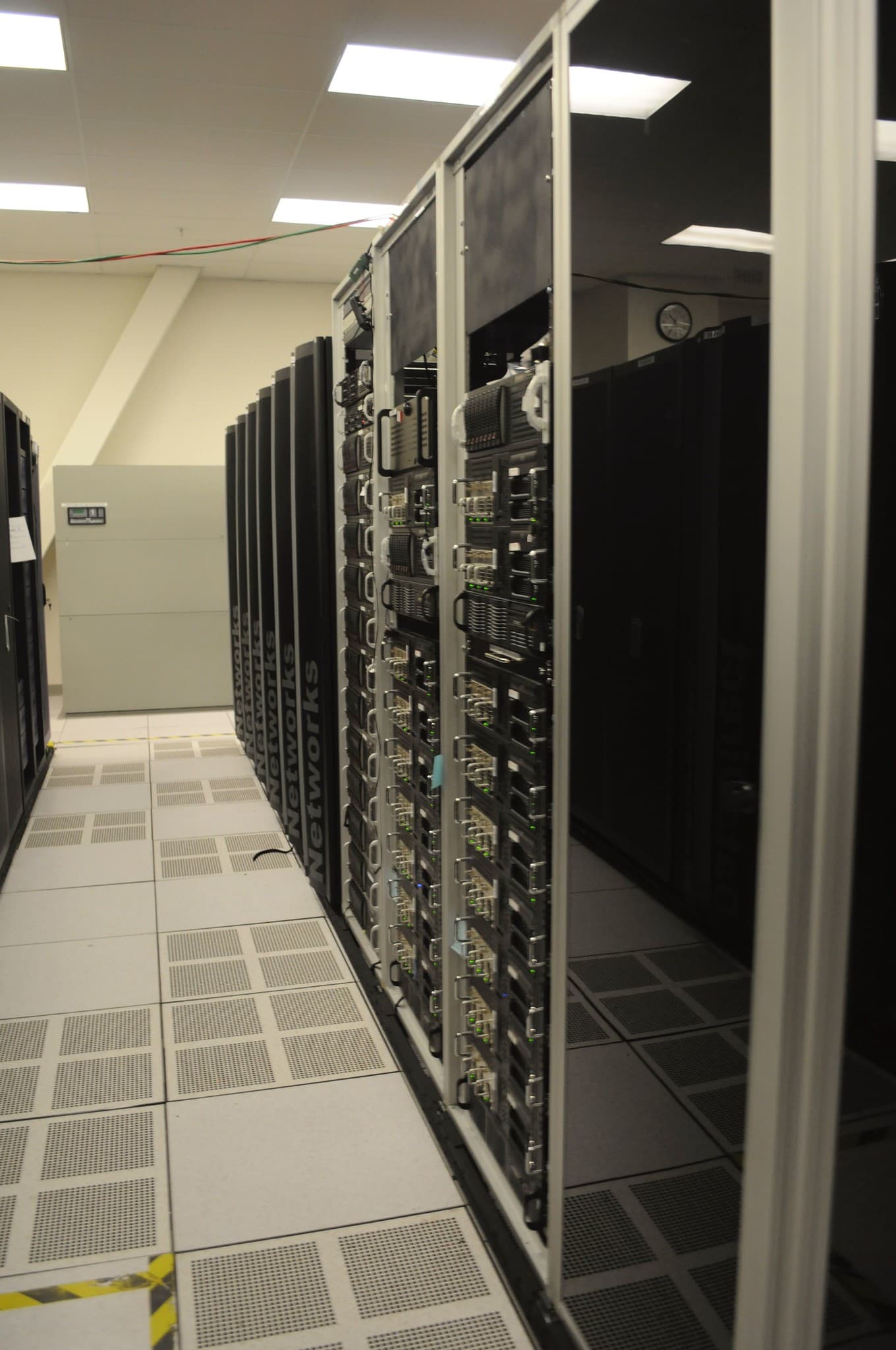
Anthropic is in talks to lease up to one gigawatt of compute capacity from Stream Data Centers, a U.S. developer majority-owned by Apollo Global Management. The arrangement could require at least $40 billion in capital investment, according to data center developers familiar with the discussions.
The move signals a strategic pivot for the AI company: move beyond dependence on hyperscalers like Amazon Web Services and own a meaningful slice of its compute layer directly. Direct leases offer longer-term cost predictability and operational control that cloud commitments do not.
Anthropic would become the direct tenant at Stream facilities, deploying either custom TPUs designed by Google and Broadcom or Nvidia GPUs. Google is reportedly considering a credit guarantee to backstop the deal, though terms remain under negotiation. The company would need separate financing for both the lease payments and the chips themselves—a capital structure challenge that mirrors deals others have struck in the crypto and AI infrastructure space.
The economics matter. Anthropic's existing $100 billion commitment to Amazon Web Services covers up to five gigawatts over ten years. An agreement with AMD adds another two gigawatts of Instinct GPU capacity. A direct lease strips out the cloud provider margin—typically 20 to 30 percent on compute—though it locks Anthropic into longer terms and fixed costs that vary with utilization.
Tom Brown, Anthropic's co-founder and chief compute officer, framed the logic in July: "Running across a diversified range of hardware lets us map the right workloads to the right hardware." Translation: TPUs work for training, Nvidia for inference, AMD where price-to-performance wins. Vertical integration of infrastructure follows the same playbook as vertical integration of models.
Anthropic already operates a 20-year lease with TeraWulf for roughly 401 megawatts of critical IT load in Kentucky. That deal locks in power costs and availability for two decades—valuable hedges against the spot market volatility that cloud pricing can expose.
Other AI and infrastructure players have pursued similar strategies. Hut 8 signed a 15-year lease for 245 megawatts with Fluidstack at River Bend, backed by a Google financial guarantee and $3.25 billion in investment-grade debt. The pattern is clear: at scale, owning or long-leasing capacity beats renting by the hour.
Key terms between Anthropic and Stream—exact capacity, transaction structure, Google's guarantee scope—remain under negotiation. The deal is preliminary. But the direction is set: as AI companies scale training and inference, the math increasingly favors taking compute infrastructure off the cloud provider's balance sheet and onto their own.