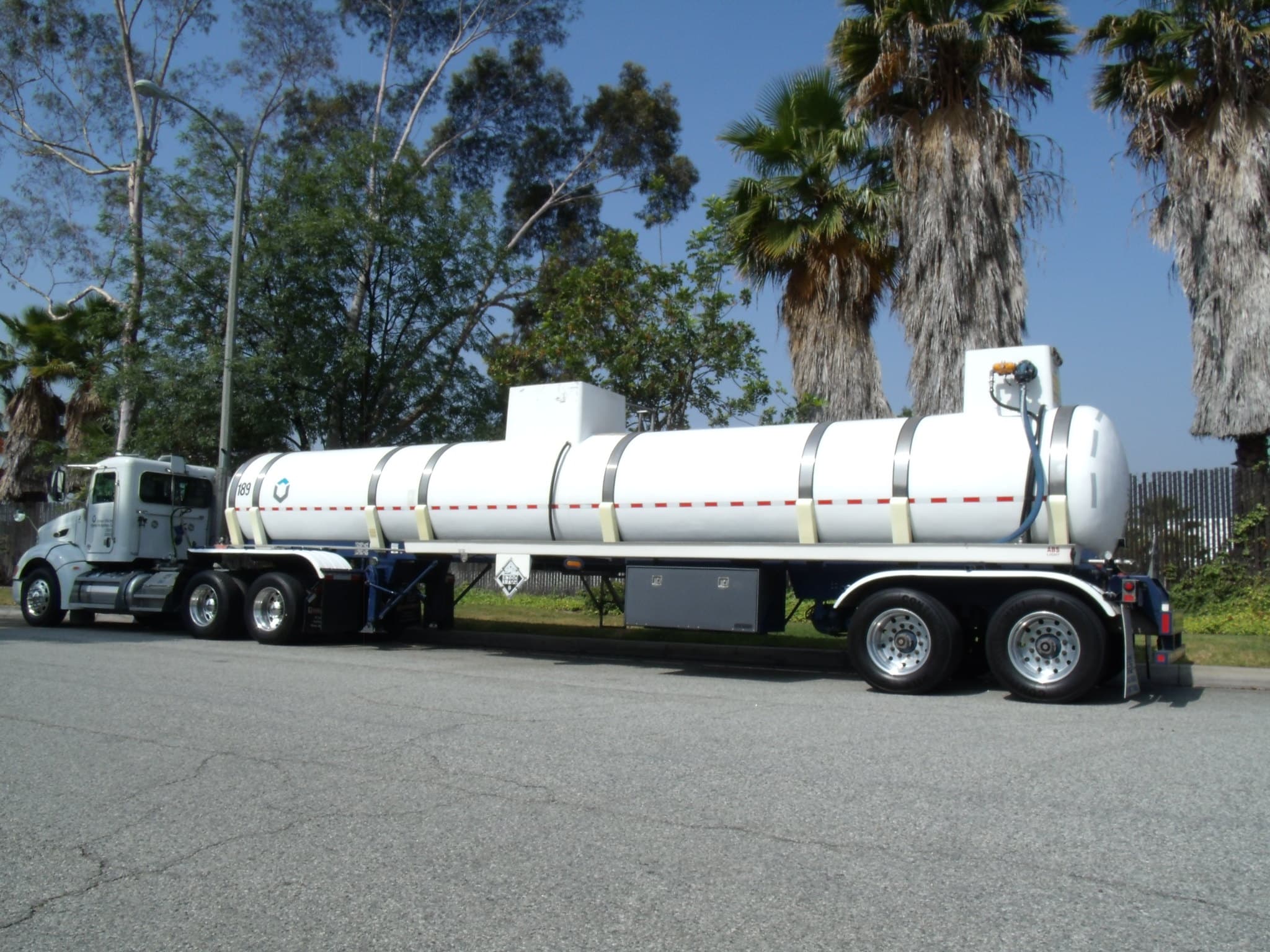
Gasoline prices jumped 7 cents overnight to $4.44 a gallon, with diesel hitting a record $6.40, as escalating conflicts in the Middle East and Eastern Europe squeeze global oil supplies and threaten to drive inflation higher across the economy.
According to AAA data, the national average for gasoline has climbed nearly 50 percent since Iran-backed Houthi rebels expanded attacks on shipping lanes in February. Diesel has jumped 77 cents since early September.
Patrick De Haan, a petroleum analyst at GasBuddy, projects gasoline could reach $4.50 a gallon by week's end and diesel could hit $6.60 as early as this weekend. He advised consumers to prepare for "higher prices for longer."
Some states already exceed those benchmarks. California drivers are paying an average of $8.35 a gallon for diesel, AAA reported.
Tom Kloza, chief energy adviser for Gulf Oil, warned that surging diesel costs will ripple into broader inflation. Nearly all goods and crops transported across the country depend on diesel fuel. "These prices could accelerate inflation significantly," Kloza said.
The price surge stems from cascading supply disruptions. The U.S.-Iran conflict, Russia-Ukraine war, and Houthi attacks have collectively reduced global oil production. An ExxonMobil refinery near Chicago temporarily halted production due to a power outage, and Russia banned diesel exports in July, further tightening global supplies. Brent crude, the international benchmark, traded around $103 a barrel on Thursday.
Unlike gasoline, which consumers can reduce by driving less, diesel cuts are harder to achieve. The fuel is essential for trucking, rail, construction and other critical commercial sectors.
Elevated diesel prices will also drive up utility bills for Americans. Roughly 4 million households in the Northeast depend on heating oil, a diesel derivative, for winter heat. Kloza estimates those households could face heating oil prices around $6 a gallon—meaning a $6,000 expense for 1,000 gallons over a winter.
Kloza projects gasoline prices will hover between $4.25 and $4.50 a gallon in the near term, a range he called "still painful" for consumers.