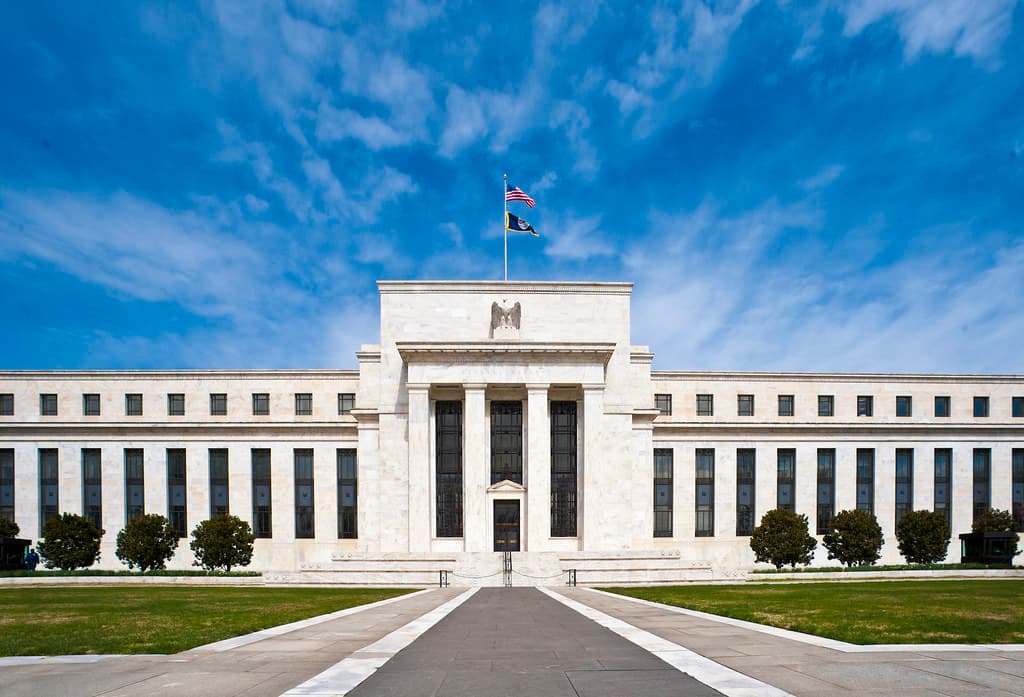
NEW YORK — The Federal Reserve raised its benchmark for short-term interest rates on Sept. 16, setting the federal funds rate at 3.75 percent to 4 percent. The quarter percentage point increase marks the central bank's first rate hike in three years.
Federal Reserve Chair Kevin Warsh said the decision directly targets persistent inflation. Higher borrowing costs aim to limit consumer demand and reduce prices.
Warsh acknowledged the Fed's limited control over inflation, citing tariffs, Middle East conflict and artificial intelligence infrastructure buildout as external pressures.
The rate adjustment immediately raises costs for variable-rate borrowers. Credit card holders can expect higher interest rates within one to two billing cycles. Savers benefit from improved returns on high-yield savings accounts and certificates of deposit.
Matt Schulz, chief consumer finance analyst at LendingTree, said those most affected are often least able to absorb increased costs. Individuals with significant credit card debt and no savings face considerable pressure without upside.
Simeon Wallis, chief investment officer at Aprio Wealth Management, divides American consumers into two groups: stretched and secure. Stretched consumers—typically early or mid-career, earning median income or less—hold more floating rate debt. Secure consumers are usually mid-to-late career or retired, possess substantial assets and often have fixed-rate mortgages locked at lower rates.
Katie Klingensmith, chief investment strategist at Edelman Financial Engines, said the rate hike's impact depends on financial position. Borrowers and savers, spenders and those financially secure experience different outcomes.