British retail sales volumes rose 0.5 percent in August from July, far exceeding economists' forecasts for a 0.2 percent decline. Year-over-year, sales expanded 2.4 percent. The data extended a string of stronger-than-expected economic prints for the UK and intensified rate-hike expectations despite the Bank of England holding its benchmark rate at 3.75 percent on Thursday.
Money markets are now pricing a roughly 65 percent probability of a November rate hike, with traders pricing in approximately four 25-basis-point increases by end-2027. The pound rose 0.1 percent against the dollar to $1.337 on the news but remains on track for its largest weekly decline since June, down 1.2 percent over five trading days.
Paul Dales, chief UK economist at Capital Economics, said the economy's resilience is pushing the Bank of England closer to rate increases. He cautioned, however, that inflation has yet to peak and will likely slow growth later in the year, presenting a mixed outlook for policymakers.
The BoE's own recent actions underscored this tension. On Thursday it held rates steady but elevated its third-quarter growth forecast following July data showing output expanded at its fastest annual pace in 18 months. The central bank also flagged that inflation would likely exceed 4 percent early next year.
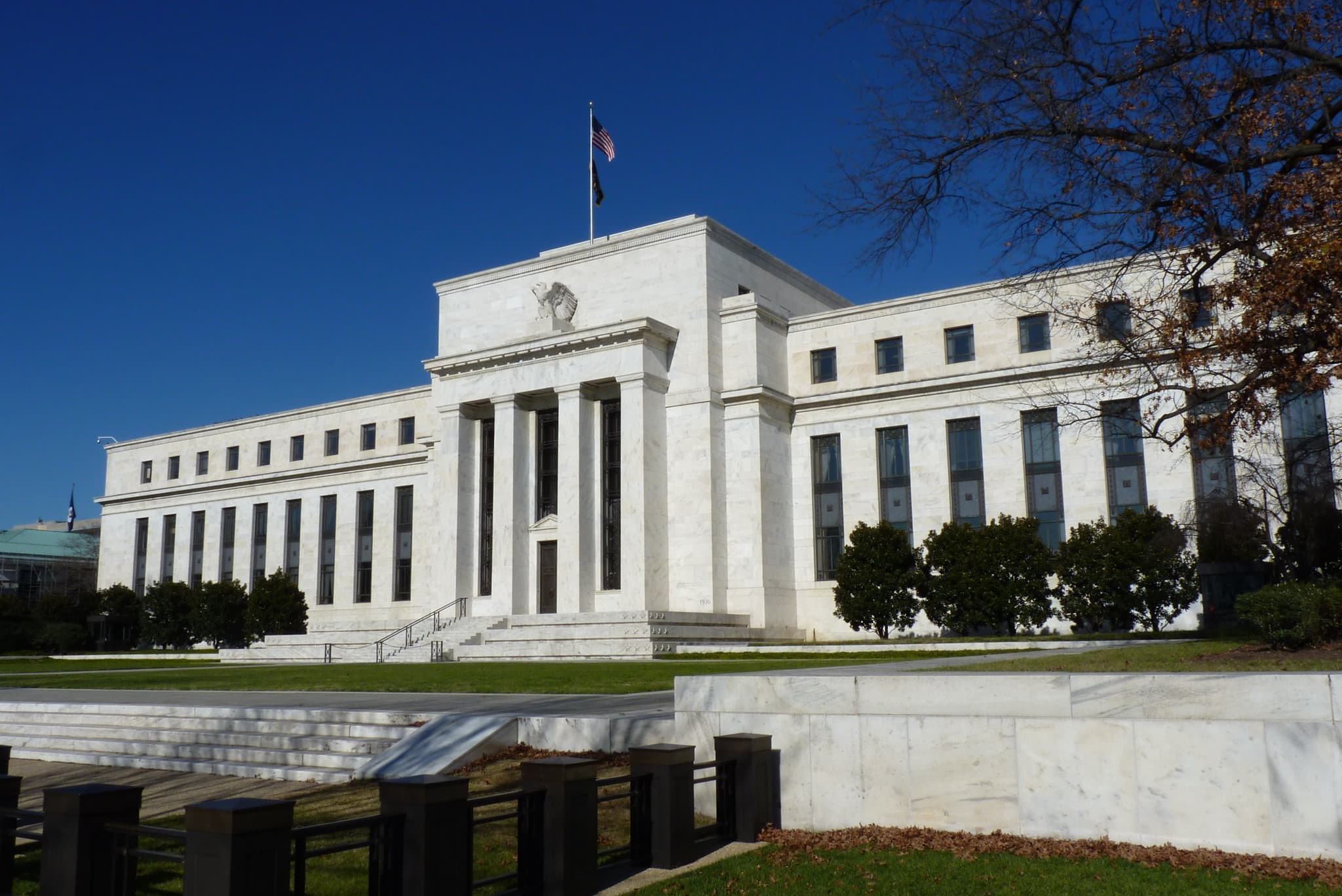
Broader market dynamics are compressing duration. Rising energy prices, partly tied to geopolitical tensions, have driven central banks globally toward higher rate paths. US Treasury yields and gilt yields have both moved to multi-year highs, with the Fed's Wednesday rate hold and hawkish signals further supporting the dollar and pressuring sterling. Sterling fell 0.7 percent Wednesday as the dollar rallied, though currency divergence has remained limited as bond yields have moved in tandem across major economies.
For gilts, the retail strength means the front end of the UK yield curve is repricing sharply higher. Investors are now calibrating duration exposure for a tighter monetary policy path, with the short end reflecting elevated BoE hike probabilities through late 2027.