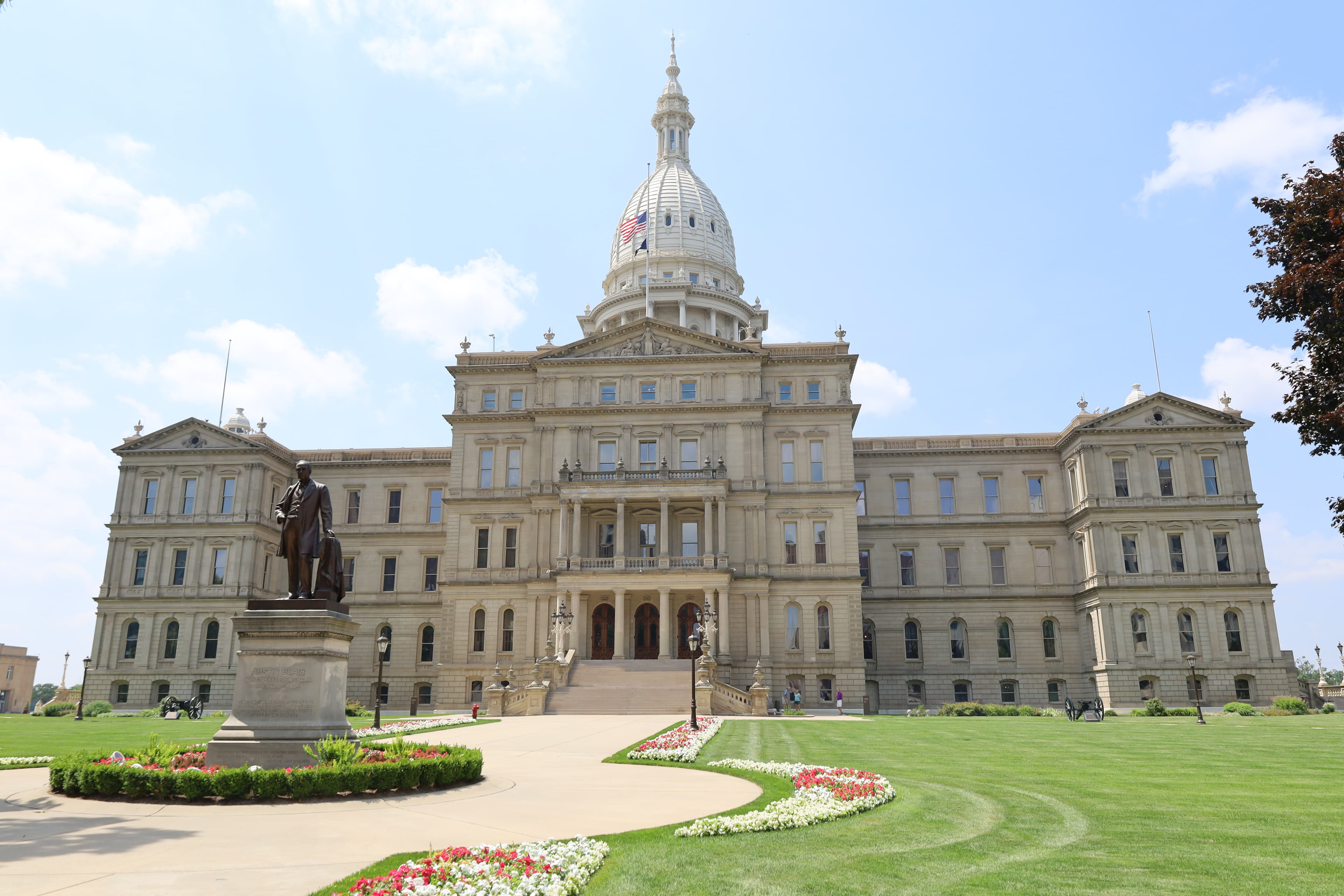
Michigan voters face two key decisions on the ballot: a constitutional convention proposal that could rewrite the state's governing rules for the first time since 1963, and a competitive U.S. Senate race between Democrat Abdul el Sayed and Republican Mike Rogers.
Proposal 1 would initiate the election of 148 delegates in 2027, chosen from the state's 110 House districts and 38 Senate districts. Those delegates would draft revisions to the state constitution, with any changes requiring approval in a second statewide vote.
The convention would open debate on issues the 1963 Constitution does not adequately address: how Michigan funds schools and local governments, its tax structure, and the balance between local control and land-use planning, particularly the siting of data centers.
Opposition has coalesced around Lansing special interests who contend a convention is too risky. Critics argue the position reflects fears of losing influence—a convention would operate independently of legislative leaders and the lobbying class, potentially disrupting the status quo.
Michigan's 1963 Constitution, drafted under then-Governor George Romney, has become a dumping ground for policy disputes that should have been resolved through legislation. Organized interests have repeatedly bypassed the Legislature, gathering petition signatures to embed policies directly into the constitution. The document is now cluttered with outdated provisions.
The state's demographic stagnation over at least 42 years has left the Constitution increasingly unfit for current needs. Michigan's fragmented structure of more than 2,800 local governments—counties, townships, villages, cities, school districts, and special-purpose authorities—was designed for an earlier era. Many now struggle to provide basic services or recruit volunteers for fire departments.
El Sayed, a doctor and former public health official, won the Democratic primary on Aug. 5, 2026. He has centered his campaign on economic hardship, arguing, "It's way too hard to survive here in the richest, most powerful country in the world." Senator Bernie Sanders endorsed him, citing his healthcare expertise.
Polling shows a tight race. El Sayed holds a 1.8 percent lead over Rogers, according to the RealClearPolitics average. Nationally, Democrats hold a 6.7 percent edge on the generic congressional ballot.


