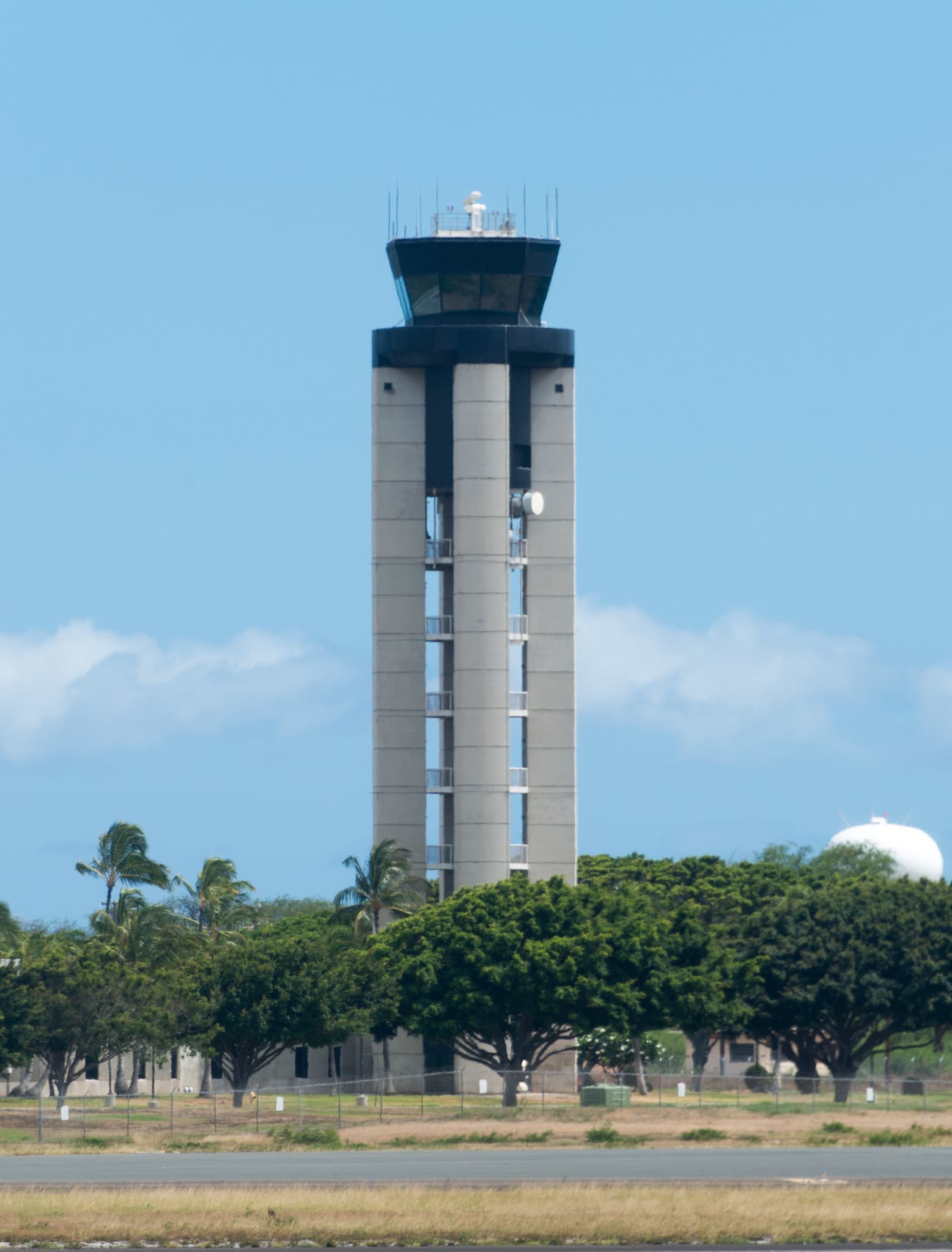
The Federal Aviation Administration launches SMART, an AI-powered air traffic management tool, in the Washington, DC airspace on Sept. 21. The system represents the first phase of a planned nationwide rollout across 29 million square miles of U.S. national airspace.
The contract, awarded to Boston-based Air Space Intelligence in June, is valued at $875 million over 12 years. SMART uses machine learning to predict air traffic flows by analyzing airline schedules, weather, airport capacity, and current airspace status—then identifies potential conflicts and proposes alternative routes.
The economics are straightforward: the FAA targets fuel savings, on-time performance gains, and faster recovery from weather and congestion. The system feeds a shared operational view to the FAA, airlines, and operators so they can coordinate efficient departure times and routing.
Airline officials initially balked at the deployment, fearing SMART would override existing air traffic control procedures. The FAA clarified that SMART generates "alternative route information" accessible through current systems—a design choice that limits scope but also limits risk.
Philip Mann, a former FAA official now at Vector Strategic Consulting, endorsed the cautious rollout in an email. "Every cut in scope shrinks the unknowns," Mann said. His concern: SMART's risk lay not in individual predictions but in national scale and the opacity of its AI components.
The contract also funds a new Flow Management Data and Services system to replace the FAA's existing infrastructure at the Air Traffic Control System Command Center in Virginia. Mann described this system as the "backbone" and SMART as the "predictive layer above it"—a layered architecture that separates core operational data from AI-driven optimization.
Air Space Intelligence already operates a separate platform called Flyways AI, which the company says manages over 40 percent of U.S. air traffic through partnerships with airlines including Alaska Airlines. Flyways incorporates a 4D digital twin of national airspace for forecasting.
The specific AI architectures powering SMART remain undisclosed. The FAA has not specified whether the system uses deterministic rule-based models or more advanced neural architectures.


