WASHINGTON — The Department of Energy is allocating $16 million to expand critical mineral education, part of President Donald Trump's push to reduce American reliance on Chinese supply chains.
The DOE's Office of Critical Minerals and Energy Innovation launched the PROSPECT Planning Prize on Monday. Schools with existing mining and materials programs can receive up to $1 million each to double their graduate output within 24 months.
The gap is stark. Last year, only 163 Americans graduated with degrees in mining engineering, according to DOE Assistant Secretary Audrey Robertson. The U.S. will need 6,000 mining engineers over the next decade to sustain domestic critical mineral production. China, by contrast, graduated over 3,000 students in mining-related fields last year.
Robertson said the prize targets an ambitious timeline because schools face a two-pronged crisis: too few students entering mining majors and too few faculty members to teach them. "There aren't enough faculty either," Robertson said. "We want to provide schools with the resources to achieve these goals."
Eligible programs can serve early-career professionals, incumbent workers, educators, students from colleges and high schools, and other participants. The $16 million prize is part of a larger $100 million PROSPECT initiative funding new curricula, teaching tools, financial aid, and other incentives for mining industry growth.
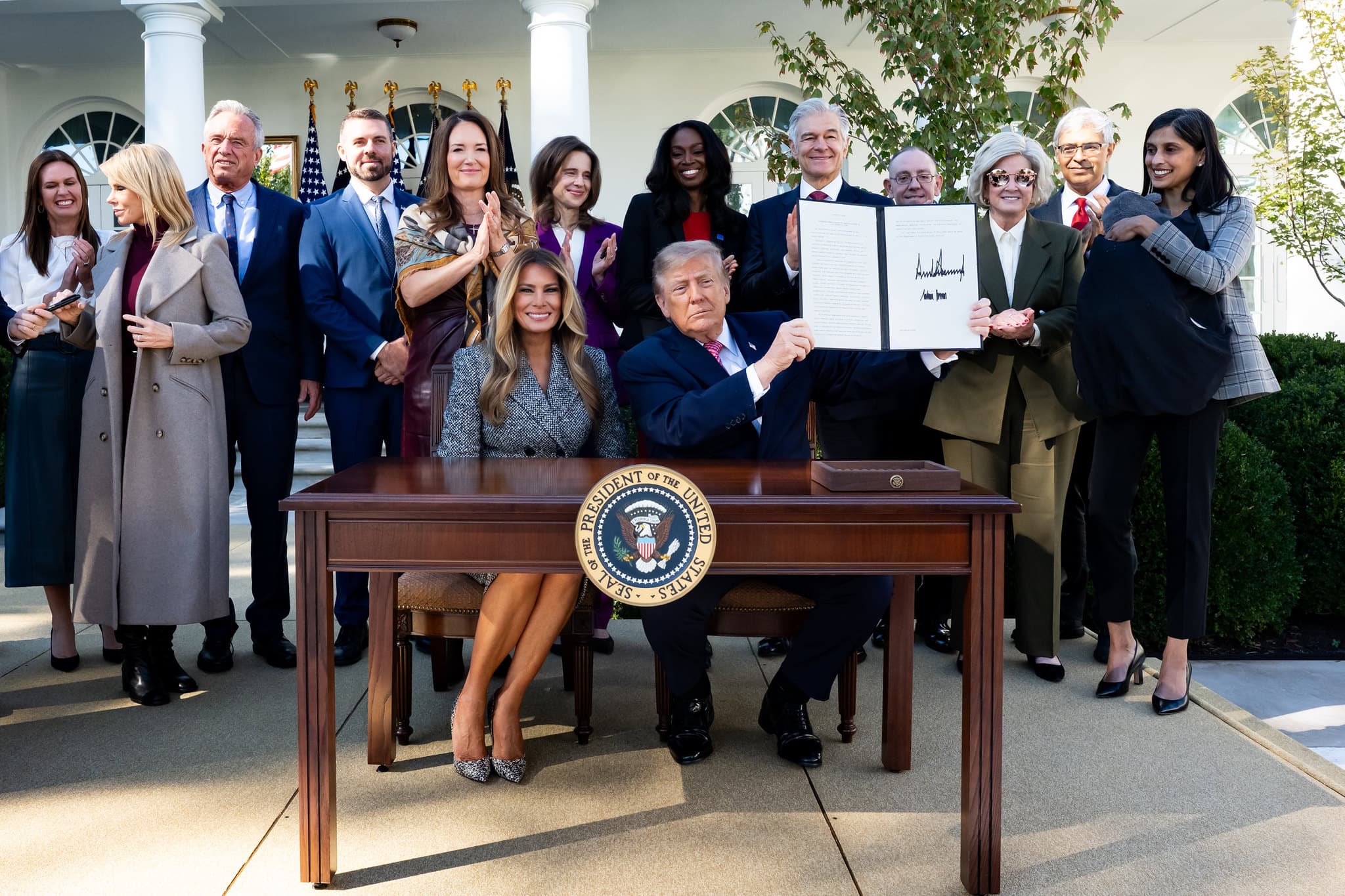
Last month, Trump announced an additional $180 million in grants for mining education. Critical minerals and rare earths are essential for energy, defense, and consumer electronics from smartphones to microwaves.
The administration has pursued multiple strategies to build domestic mining capacity: forging international partnerships, acquiring stakes in mineral companies, and establishing a national critical mineral stockpile.