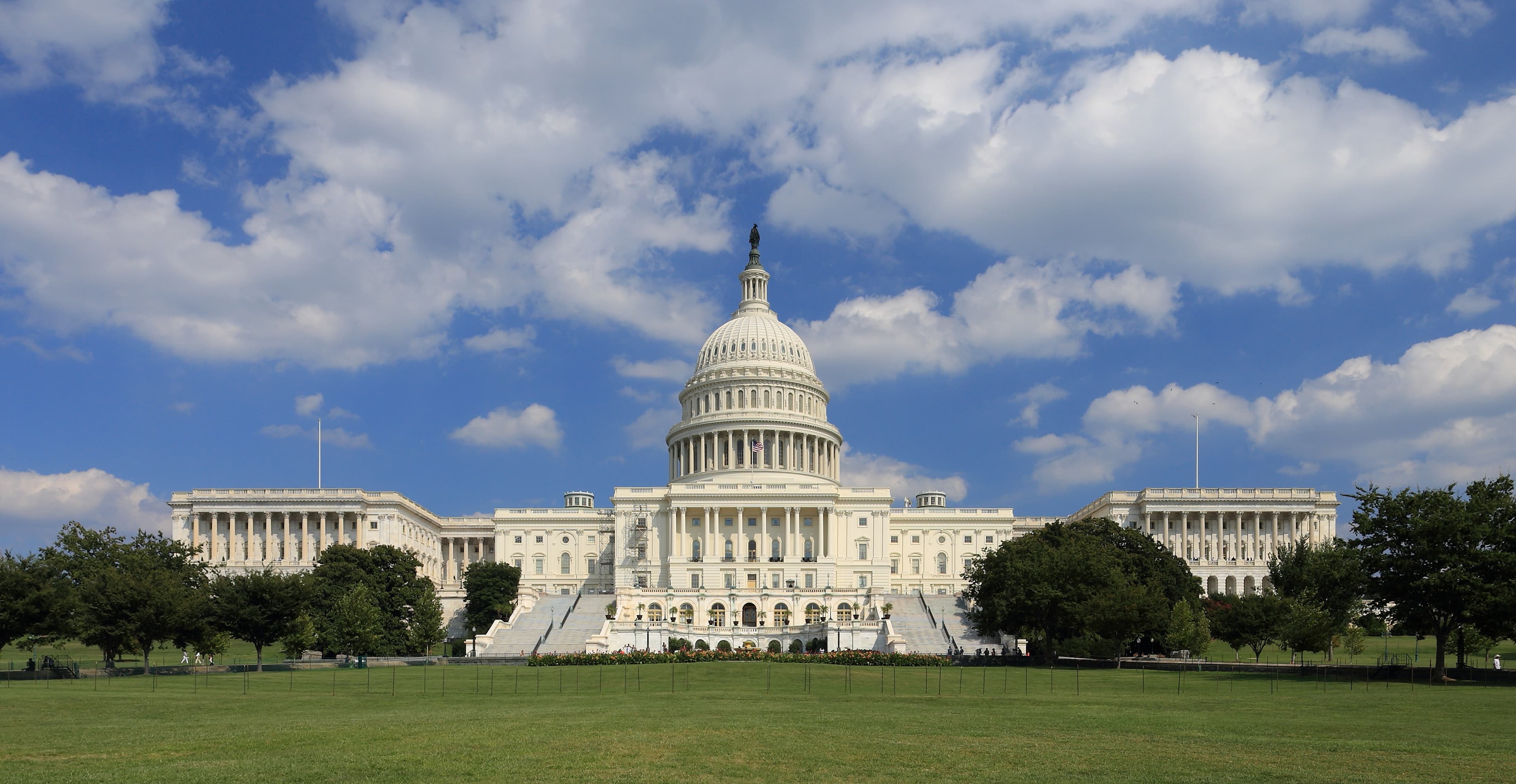
I've been in crypto for more than a decade. Tomorrow at 2:15 Eastern, the Senate finally votes on the thing this entire industry has asked for since the beginning. Not a bailout. Not special treatment. Rules. Written down. What's a security, what's a commodity, who regulates what. That's it. That's the whole ask, and it's called the CLARITY Act.
Sixty votes gets it through. Republicans have 53 and a few defectors of their own, so it comes down to nine or ten Democrats. The oddsmakers say one in four. I've seen worse odds come in, but let me tell you what's actually on the table, because most people arguing about this bill haven't read a word of it.
Sunday night, while most of Washington was asleep, Cynthia Lummis, Tim Scott, and John Boozman released the final text. 635 pages. And buried in the coverage is a number that should end this debate: the final bill contains 126 changes made at the request of Democrats.
Read that again. 126.
Democrats wanted an ethics package aimed at politicians profiting off crypto, including the Trump family. They got it. The bill adopts basically the entire Tillis-Gallego ethics framework, which is a Democratic-negotiated framework, and it bans public officials and their spouses from launching or sponsoring digital assets while in office. Enforceable by the DOJ and by all fifty state attorneys general, which means no president of either party can make it go away. Trump agreed to about 80 percent of the ethics restrictions Democrats demanded. Restrictions pointed at his own family's ventures. He took the deal anyway.
Democrats wanted consumer and banking protections. The final text gives Treasury new authority to stop deposit flight from community banks, direct protection for the small banks and the farmers and businesses that rely on them. The sunset clause from earlier drafts is gone too. This becomes permanent law, not an experiment.
So where are the seven Democratic senators who negotiated all this? Alsobrooks. Booker. Cortez Masto. Gallego. Hickenlooper. Warner. Warnock. For months they said the bill falls short. Fine, so Republicans kept giving. Now the final text is out, it contains their own asks, Gallego's name is literally on the ethics framework the bill adopted, and as I write this not one of the seven has said a word about it.
Silence, the night before the vote, from the people who got 126 of their changes accepted. You've watched enough negotiations to know what that usually means. The goalposts aren't just moving anymore. They're being carried off the field.
I want to give credit where it's due, because the people who did the work deserve better than being lumped in with the people who didn't.
Lummis has carried this issue for years while half of Washington laughed at her. She called this week now or never, and she's earned the right to say it. Scott and Boozman ground out the final text on a Sunday night instead of doing cable hits. Hagerty and Moreno built the Senate framework. Kirsten Gillibrand, a Democrat, has spent years proving you can be progressive and still want functioning rules for digital assets. In the House, French Hill wrote the bill and got it passed 294 to 134, with 78 Democrats voting yes. Seventy-eight. Ritchie Torres has been telling his party for years that regulation by enforcement doesn't punish billionaires, it punishes regular people by shoving them onto offshore platforms with no protections at all. He's right. He's been right the whole time.
Nearly a third of House Democrats voted for this framework. This was never a partisan bill. It got turned into one by a handful of senators.
And understand what a no vote tomorrow actually does. Lummis says if this fails, the next real shot might not come until 2030. Four more years where the rules get written by enforcement lawyers instead of Congress. Four more years where American builders get subpoenas and Dubai hands out licenses. And the people who get hurt aren't the funds. They're the tens of millions of Americans who hold crypto and will keep holding it, just on platforms Congress never touched. Killing this bill doesn't protect a single consumer. It protects the mess.
Now here's the part I actually want you to remember.
Crypto holders are voters. Tens of millions of us, in every state, both parties. Farmers vote their interests. Unions vote theirs. Banks absolutely vote theirs. Somehow it's only controversial when we do it.
Three of the seven holdouts are on the ballot in November. Cory Booker in New Jersey. Mark Warner in Virginia. John Hickenlooper in Colorado. Seven weeks from now they'll be asking for votes, and every crypto holder in those states deserves to know: when their own demands were sitting in the bill text, what did they do?
Massachusetts, you've got the clearest choice in the country. Ed Markey votes tomorrow, the same Markey who has spent years lining up with Elizabeth Warren's crackdown on this industry. The woman literally bragged about building an anti-crypto army. And on November 3rd, Markey's name sits on the ballot across from John Deaton, the guy who spent years of his life fighting the SEC on behalf of 75,000 XRP holders before he ever thought about running for anything. Watch Markey's vote tomorrow. Then remember it for seven weeks. That's not a threat, that's just called being a constituent.
So here's what I'm asking. Today: call the offices. Especially the seven. Be respectful, be quick, be counted. Tomorrow at 2:15: watch the roll call. Not the press releases after, the actual votes. Screenshot it. And in November, vote like every other industry in America has voted for a hundred years.
If this passes tomorrow, I'll thank every single senator who votes yes, and I don't care what party they're from. The win is the win.
But if it dies, the record should be exact. The industry asked for rules. The champions wrote them. The House passed them with both parties. The other side named their price, and the negotiators paid it, 126 times over. And a handful of senators looked at a bill full of their own demands and chose four more years of nothing.
This industry has done everything right. It's earned its clarity. Tomorrow we find out who was negotiating in good faith, and who never planned to take yes for an answer.
Pass it. Or own it.


