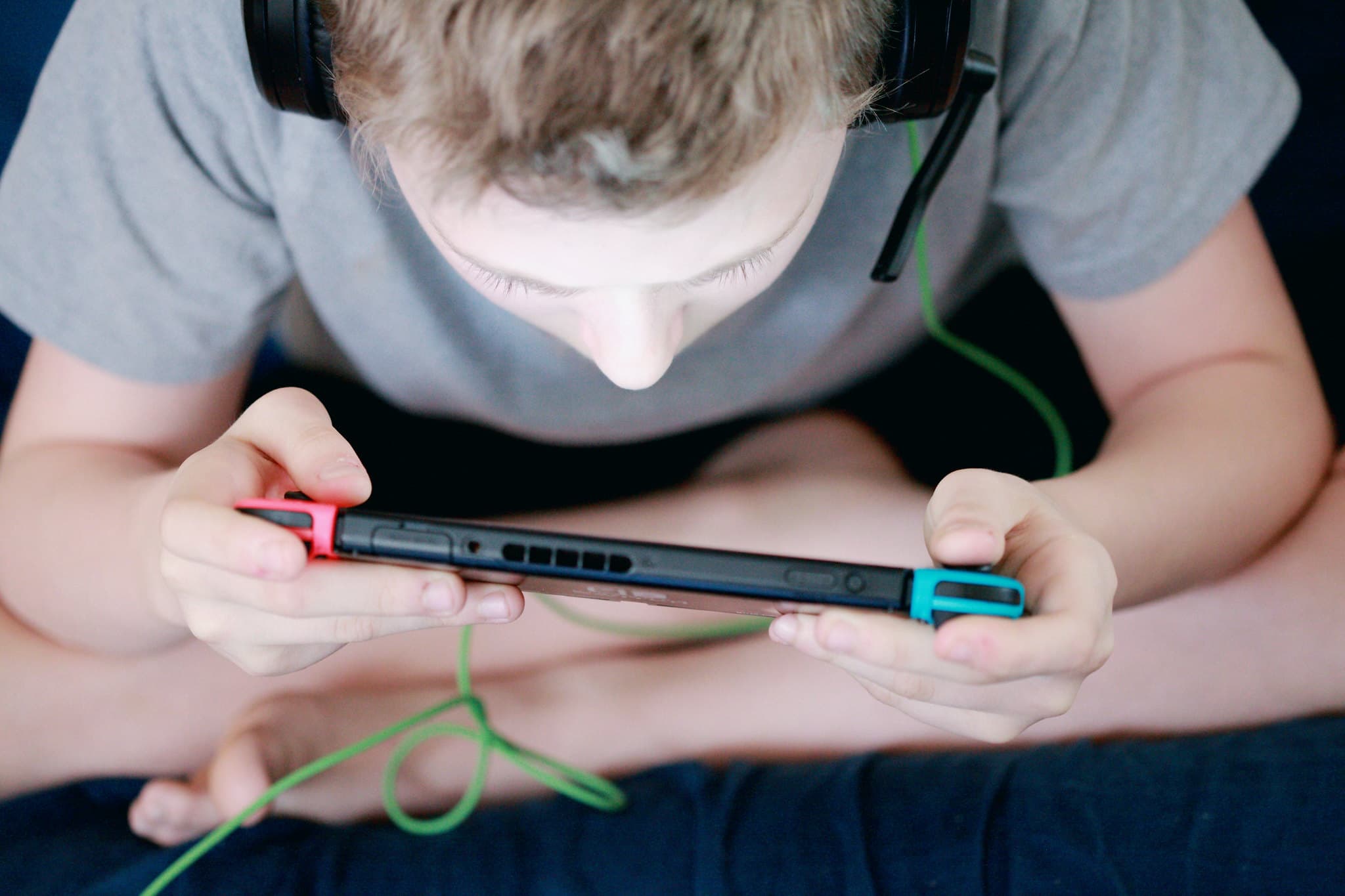
Nintendo released firmware update 23.0.0 for its Switch 2 console, introducing Variable Refresh Rate (VRR) support in docked mode and full system transfers between devices. VRR synchronizes display refresh rates with a game's frame rate, reducing screen tearing—a standard feature on PlayStation 5 and Xbox Series X that Nintendo had promised but withheld at launch.
The timing matters. Nintendo initially pledged VRR, 4K resolution, and 120 frames per second for docked play, then quietly removed those claims from its official specs. The firmware update now partially delivers on the first commitment ahead of an October Zelda-themed Switch 2 edition, a limited release designed to drive hardware upgrades among the installed base.
The system transfer capability—absent until now—is the economic linchpin. It removes friction for existing Switch 2 owners trading up to special editions, eliminating the pain of data migration and making multiple console ownership feel like a seamless experience rather than a restart. Nintendo rarely builds such features without a revenue target.
Other additions include a handheld boost mode toggle for original Switch games running in TV mode and background music options in the Mii editor featuring audio from past Nintendo systems. These are engagement layers, not economically significant, but they reinforce the nostalgia positioning that makes special editions sell.
The strategy reflects a deliberate elongation of the Switch 2 cycle. Rather than racing to a next-generation console launch, Nintendo is maximizing per-unit revenue through firmware features, thematic hardware variants, and reduced friction for upgrade paths. This trades aggressive market-share competition for higher attach rates and extended profit extraction from the current generation—a capital allocation choice that assumes the Switch 2 architecture can sustain developer interest and player spending for years, not months.


