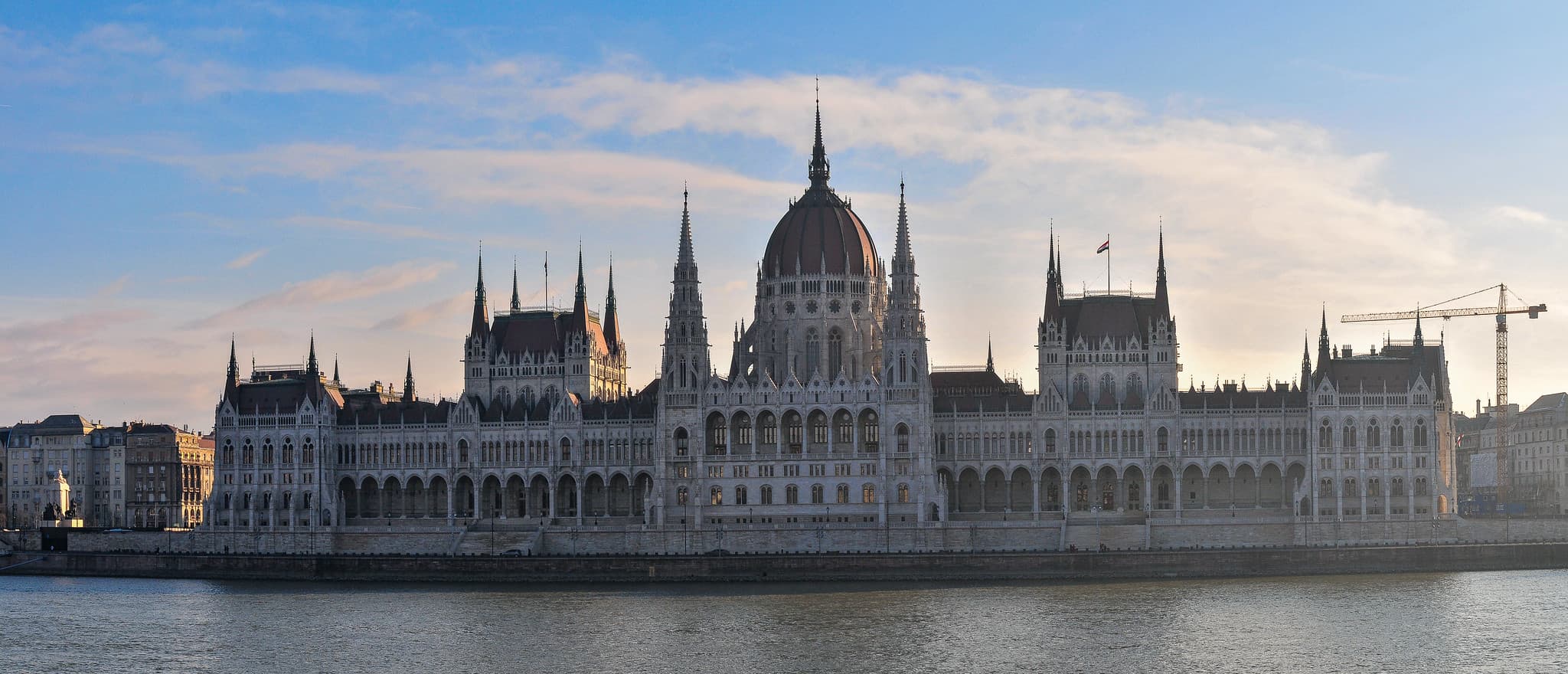
BUDAPEST — Hungary ordered ten members of Russia's diplomatic mission to leave the country after authorities determined they engaged in activities inconsistent with diplomatic status. Foreign Minister Anita Orbán announced the decision Tuesday, Sept. 8.
Orbán said she instructed the Foreign Ministry to inform Russia's ambassador in Budapest, Yevgeny Stanislavov, of the assessment. The ten employees carried out actions unacceptable for diplomats under the Vienna Convention, Hungarian authorities concluded.
Orbán said the decision was made to protect Hungary's security and sovereignty. The government did not publicly disclose the names, positions or specific activities of the expelled diplomats, nor their departure deadline.
Russia responded immediately through Foreign Ministry spokeswoman Maria Zakharova, who said Moscow's reaction would be "harsh and painful." Zakharova attributed Hungary's move to a "Russophobic lobby in Budapest," though Russia has not specified retaliatory measures.
Prime Minister Péter Magyar read Orbán's announcement in parliament Tuesday, asserting the Tisza government would defend Hungary's sovereignty. Orbán said the expulsion does not signify a rupture of diplomatic relations with Russia, stating Hungary intends to maintain necessary dialogue, mutual respect and compliance with rules.
The expulsions mark a further downturn in relations between Budapest and Moscow, which have worsened since Hungary's government changed. Magyar's Tisza Party won the April 12 election, ending 16 years of Fidesz-KDNP rule under former Prime Minister Viktor Orbán.
Ambassador Stanislavov had been summoned by Orbán in May following a Russian drone attack on western Ukraine that also struck Transcarpathia, an area home to Hungary's minority community.
Tensions intensified in late August when the Magyar government issued instructions for Hungary's delegation to the 81st U.N. General Assembly. The document described Russia's conduct as a "threat to Hungary, Europe and the global order."
The General Assembly document condemned Russia's military aggression and reaffirmed Ukraine's sovereignty and territorial integrity. It also warned that the ongoing conflict endangers ethnic Hungarians in Transcarpathia.
The language provoked sharp reactions from Russian lawmakers. Grigory Karasin, chairman of the Federation Council's International Affairs Committee, accused Magyar of joining Europe's "battalion of hatred and hostility towards Russia."
Andrei Kolesnik, a member of the State Duma Defence Committee, suggested Russia could put its oil and energy supplies to Hungary "in question" due to Budapest's rhetoric. Senator Vladimir Dzhabarov issued similar warnings. The Kremlin has not reacted to Hungary's General Assembly document.