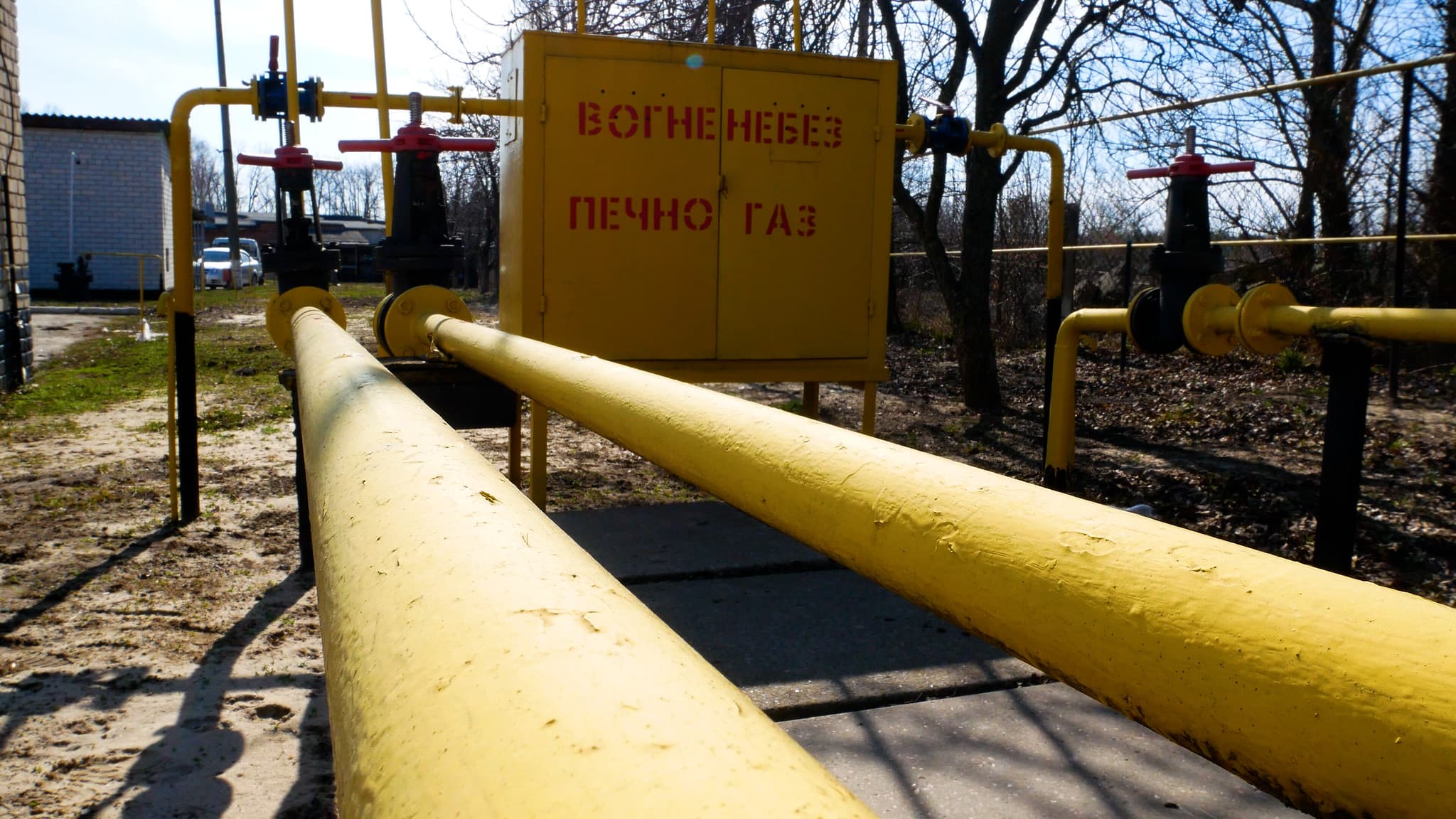
Europe enters autumn with natural gas prices at 3.5-year highs while regional equities trade at their lowest seasonal level since 2011, signaling deepening structural stress ahead of winter.
The market structure itself is the problem. Backwardation—where near-term gas prices exceed winter delivery prices—has deepened, eliminating the economic incentive to stockpile. Qatar's supply disruption during the Iran conflict compounds the shortage risk. With no price signal encouraging inventory builds, Europe enters the heating season dependent on weather conditions remaining mild. The data: near-term frontline gas futures command a premium that erases typical seasonal accumulation strategies.
Bond markets confirm the shift. German Bund futures hit 15-year lows while French OAT futures—launched in 2012—sit at all-time lows since inception. French and German 10-year yields reached 15-year highs Monday, driven by fiscal pressure in both economies. Upcoming Euro zone CPI data is expected to justify a European Central Bank rate hike next week, adding to the selloff.
The yield surge, however, reflects more than growth expectations. New York Fed data shows the 10-year Treasury term premium more than tripled from 26 basis points in January to over 80 basis points by June. Since end-June, nominal 10-year yields rose 36 basis points; breakeven inflation expectations rose only 9 basis points. The arithmetic shows term premium expansion accounts for the majority of the move—investors demand more compensation to hold duration, a structural shift that pressures equities.
The 10-year U.S. Treasury yield touched a 20-month high during Asia trade Tuesday, while Japan's 10-year benchmark hit 3 percent for the first time since 1996. Asian equities declined across Seoul, Tokyo, Sydney and Hong Kong. Shein Global fell 8 percent on its first trading day following its discounted IPO, reflecting investor caution on growth-stage stocks in a rising-rate environment.
Geopolitical risk compounds the uncertainty. President Trump threatened further strikes against Iran following recent exchanges of fire—the first escalation in a month—keeping risk premiums elevated across commodity and fixed-income markets.


