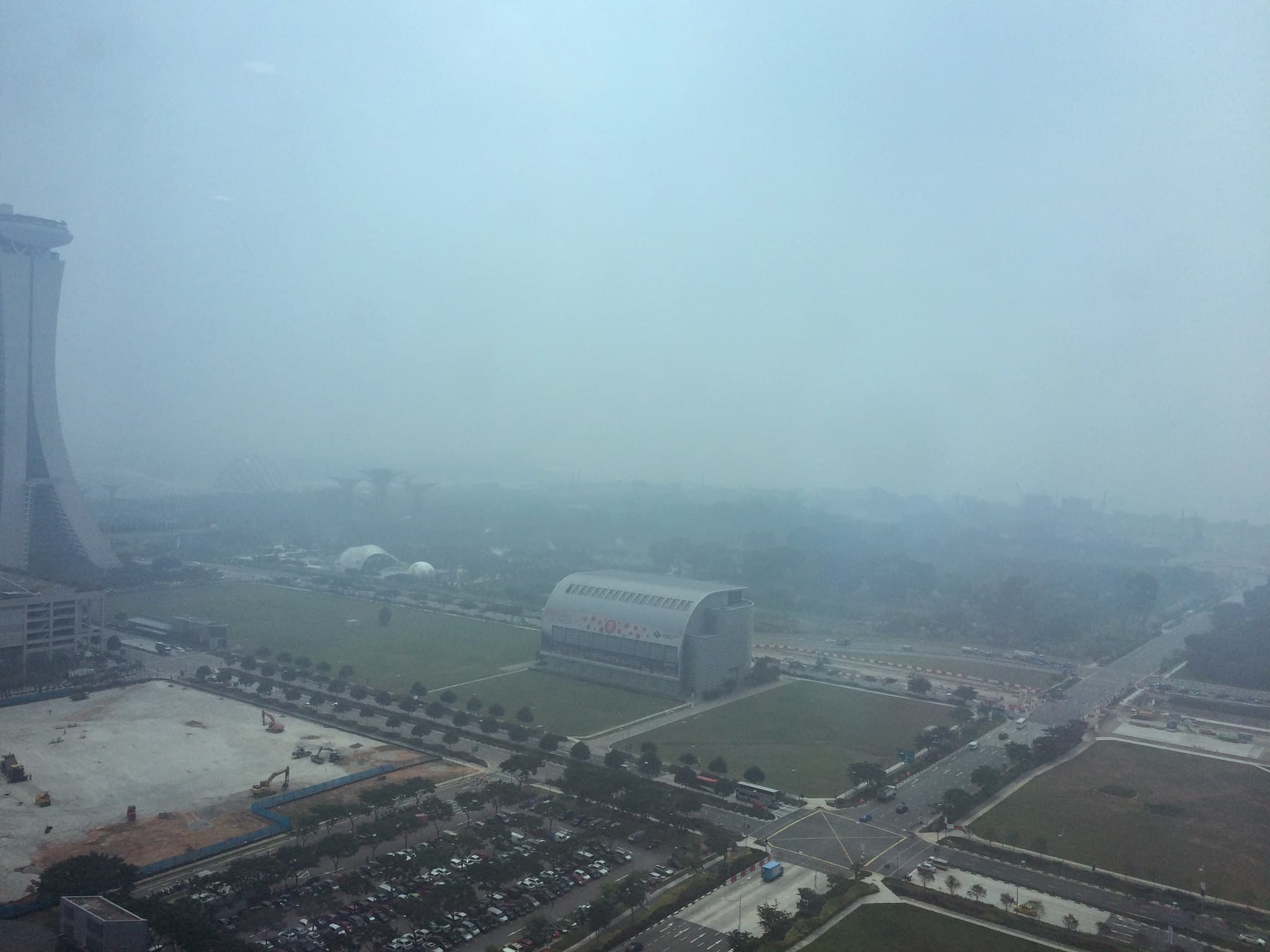
JAKARTA — Indonesia is facing a widespread wildfire catastrophe, intensified by a Super El Niño that has deepened local drought conditions. Thousands of active fire hotspots are spreading across the country, fueling a transnational haze crisis that marks the region's worst in more than a decade.
The fires are particularly concerning because they are burning through one of the world's largest tropical peatland ecosystems, located in Borneo. This area spans 4.5 million hectares of forest and swamp and serves as a massive reservoir for ancient carbon.
When peatlands ignite, they can release millions of tonnes of carbon dioxide, carbon monoxide and methane into the atmosphere. Indonesia's tropical peatlands are among the planet's most efficient natural carbon stores. In Kalimantan, researchers have discovered peat deposits exceeding 20 meters in depth. Such deep peatlands can harbor more than 6,000 tonnes of carbon per hectare—roughly equivalent to the annual carbon dioxide emissions of 4,800 cars per hectare.
Dr. Nisa Novita, a peatland researcher at the Indonesian conservation NGO Yayasan Konservasi Alam Nusantara, explained how these ecosystems function. "Peatlands are incredibly effective carbon stores because their waterlogged conditions slow decomposition, allowing carbon to accumulate underground for thousands of years," Novita said. "When they are drained or burned, that carbon can be rapidly released into the atmosphere."
The human cost of the fires is significant. Indonesian Deputy Health Minister Dante Saksono Harbuwono reported that around 13,500 people received treatment for respiratory infections in July and August alone. Approximately 5.5 million people across Borneo and Sumatra have been directly exposed to the smoke from the wildfires.
Individuals living within the pollution cloud inhale fine particulate matter and carbon monoxide from smoldering peat fires. These particles can cross lung alveoli into the bloodstream, leading to cardiovascular problems and other medical complications.
Volunteer firefighters have risked their lives daily in hazardous conditions to contain the blazes. Following the death of a volunteer firefighter, authorities in Palangka Raya introduced mandatory health screenings for all personnel involved in wildfire response.